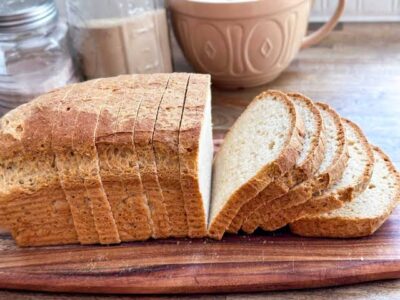
Gluten-free baking can be intimidating, but it doesn’t have to be. Whether you’re avoiding gluten for health reasons or experimenting with alternative grains, a perfectly baked loaf of gluten-free bread is within reach. With the right ingredients, techniques, and insider tips, you can create a loaf that’s soft, flavorful, and satisfying. This guide will help you uncover the best tips for gluten free bread recipe success.
From mixing to baking, these strategies will transform your gluten-free bread from dense and crumbly to light and delicious.
Why Gluten-Free Bread Can Be Challenging
Baking without gluten presents unique challenges:
Gluten provides structure and elasticity
Gluten-free flours often behave differently than wheat flour
Moisture levels are critical to avoid dry or crumbly bread
Understanding these challenges is the first step to mastering your gluten free bread recipe.
Essential Ingredients for Gluten-Free Bread
Gluten-Free Flours
Rice flour: Light and mild
Almond flour: Adds richness and flavor
Sorghum flour: Nutty flavor, good structure
Oat flour: Adds tenderness
A combination of flours often produces the best texture.
Binders and Stabilizers
Xanthan gum or guar gum: Mimics gluten’s elasticity
Psyllium husk: Improves structure and moisture retention
Binders prevent bread from crumbling and create a soft crumb.
Leavening Agents
Yeast: Traditional rise
Baking powder/soda: Quick bread options
Eggs: Add structure and moisture
Using the right leavening ensures your gluten-free loaf rises properly.
Step-by-Step Tips for Gluten-Free Bread Success
1. Measure Ingredients Accurately
Use a kitchen scale for precise measurements
Gluten-free flours absorb liquid differently—too much or too little can affect texture
Accurate measuring is key to uncover the best tips for gluten free bread recipe.
2. Mix Thoroughly but Gently
Overmixing can make bread dense
Ensure flours, binders, and liquids are evenly incorporated
Gentle mixing maintains a light and airy crumb.
3. Hydration Is Critical
Gluten-free dough often requires more liquid than wheat dough
The dough should be slightly sticky but manageable
Proper hydration prevents dry or crumbly bread.
4. Let the Dough Rest
Resting allows flours to absorb moisture
Improves texture and elasticity
A short rest (20–30 minutes) can make a big difference in your loaf.
5. Use a Proper Pan and Bake Time
Grease your pan well or line with parchment
Bake longer than traditional bread to ensure thorough cooking
Use a thermometer—bread is done at ~205°F (96°C) internally
Correct baking prevents undercooked or gummy centers.
6. Cool Before Slicing
Gluten-free bread continues to set as it cools
Slicing too early can cause it to crumble
Cooling ensures slices hold together and taste better.
Additional Tips for Perfect Gluten-Free Bread
Add moisture: Ingredients like applesauce, yogurt, or honey keep bread soft
Flavor boosters: Herbs, seeds, or nuts enhance taste
Freezing: Slice and freeze loaves to preserve freshness
Experiment with blends: Combining rice, oat, and almond flour often yields the best texture
These small adjustments elevate any gluten free bread recipe.
Common Mistakes to Avoid
Skipping binders (xanthan gum or psyllium)
Using only one type of gluten-free flour
Not hydrating dough sufficiently
Baking at too high a temperature
Slicing too soon
Avoiding these errors ensures a soft, well-structured loaf.
Why Gluten-Free Bread Can Be Delicious
When done right, gluten-free bread is:
Soft and tender
Slightly sweet or savory depending on additions
Nutrient-rich when using whole-grain flours
Versatile for sandwiches, toast, or snacks
A well-baked loaf proves that gluten-free doesn’t mean compromising on flavor or texture.
Conclusion
Baking gluten-free bread doesn’t have to be intimidating. By following these strategies and learning from common pitfalls, you can uncover the best tips for gluten free bread recipe success. From choosing the right flour blend to mastering hydration and baking techniques, every loaf can be soft, flavorful, and satisfying.
With practice and attention to detail, gluten-free baking can be just as rewarding as traditional bread baking—maybe even more so! 🍞✨