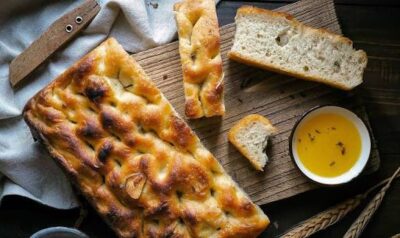
Few breads are as beloved, versatile, and satisfying as focaccia. With its golden crust, airy crumb, and fragrant olive oil aroma, focaccia bread has earned a permanent place in home kitchens and bakeries alike. Whether enjoyed as a side dish, sandwich base, or stand-alone snack, mastering a great focaccia bread recipe is a rewarding skill for bakers across the United States, the United Kingdom, and Canada.
While focaccia is often described as simple, the difference between good and exceptional focaccia lies in technique. In this guide, we’ll uncover the best tips for focaccia bread recipe success, covering ingredients, dough handling, fermentation, baking methods, and practical tricks that help you achieve bakery-quality results at home.
Why Focaccia Bread Is So Popular
Focaccia has stood the test of time for good reason. Originally from Italy, this flatbread is celebrated worldwide for its balance of crispness and softness.
What Makes a Focaccia Bread Recipe Special?
Soft, airy interior with an open crumb
Crispy, olive oil–rich crust
Endless topping possibilities
Beginner-friendly yet rewarding for advanced bakers
This combination explains why so many home cooks are eager to perfect their own focaccia bread recipe.
Understanding the Key Ingredients
To uncover the best tips for focaccia bread recipe success, it’s essential to understand what each ingredient does.
Flour
Most traditional focaccia recipes use:
All-purpose flour (common in the US, UK, and Canada)
Bread flour for extra chew and structure
Higher protein flour helps create better gluten development and air pockets.
Yeast
Active dry yeast or instant yeast both work well. Instant yeast is often preferred for ease and consistency.
Water
Focaccia dough is usually high-hydration, meaning it contains more water than typical bread dough. This creates:
A lighter crumb
Larger air bubbles
Using lukewarm water helps activate the yeast efficiently.
Olive Oil
Olive oil is the heart of any great focaccia bread recipe. It:
Adds flavor
Creates a crispy bottom crust
Keeps the bread moist
Extra-virgin olive oil is highly recommended.
Salt
Salt enhances flavor and strengthens gluten. Don’t skip or reduce it too much—focaccia should be well seasoned.
Best Tips for Mixing Focaccia Dough
Embrace Sticky Dough
One of the most important things to know when making a focaccia bread recipe is that the dough will be sticky. Resist the urge to add too much flour.
Sticky dough = airy focaccia.
Use Stretch and Fold Technique
Instead of kneading heavily:
Stretch the dough gently
Fold it over itself
Repeat during the first rise
This builds structure without deflating the dough.
The Importance of Fermentation
Why Rising Time Matters
Fermentation develops flavor and texture. Rushing this step is one of the most common mistakes.
For the best focaccia:
Allow at least one long rise
Cold fermentation (overnight in the fridge) improves flavor
Slow fermentation is a key secret behind bakery-quality focaccia bread recipes.
Ideal Rising Conditions
Warm but not hot environment
Covered dough to prevent drying
Patience
In cooler climates like the UK or Canada, placing the dough in a slightly warm oven (turned off) can help.
Shaping and Dimpling: The Signature Look
Why Dimpling Is Essential
Those iconic indentations aren’t just for looks. Dimpling:
Prevents large bubbles from forming unevenly
Helps olive oil pool on the surface
Creates focaccia’s signature texture
Use oiled fingers and press gently but confidently.
Pan Choice Matters
A metal baking pan creates a crisp bottom crust, while glass or ceramic pans may result in softer focaccia. For the best results, use:
A heavy-duty metal sheet pan or baking tray
Toppings That Elevate Any Focaccia Bread Recipe
One reason people love focaccia is its versatility.
Classic Toppings
Rosemary and flaky sea salt
Sliced olives
Cherry tomatoes
Creative Toppings
Caramelized onions
Garlic and herbs
Parmesan or mozzarella
Seasonal vegetables
Always press toppings gently into the dough so they don’t burn.
Baking Tips for Perfect Focaccia
Oven Temperature Is Key
High heat helps focaccia rise quickly and brown beautifully:
Bake at 425–450°F (220–230°C)
Preheating the oven fully is non-negotiable for a great focaccia bread recipe.
Generous Olive Oil Before Baking
Before baking:
Drizzle olive oil liberally over the dough
Let it pool in the dimples
This step creates the golden, crisp crust everyone loves.
Common Mistakes to Avoid
Avoid these pitfalls when making focaccia:
Adding too much flour
Under-proofing the dough
Baking at low temperature
Skipping the dimpling step
Using too little olive oil
Correcting these mistakes instantly improves any focaccia bread recipe.
Practical Tips for Consistent Success
Tip 1: Use a Kitchen Scale
Weighing ingredients ensures consistency, especially with flour and water.
Tip 2: Oil Your Hands and Tools
Instead of flouring your hands, oil them. This prevents sticking without drying the dough.
Tip 3: Let It Rest After Baking
Allow focaccia to cool for at least 10–15 minutes. This sets the crumb and enhances flavor.
Tip 4: Serve Fresh, But Store Smart
Focaccia is best the day it’s baked. If storing:
Wrap loosely at room temperature
Reheat briefly in the oven to revive crispness
Focaccia Bread Recipe Variations to Try
No-Knead Focaccia
Perfect for beginners. Relies on time instead of kneading to develop gluten.
Whole Wheat Focaccia
Substitute part of the flour with whole wheat for a heartier texture.
Gluten-Free Focaccia
Using specialized flour blends can still yield a flavorful, airy result when hydration is adjusted.
Why Home Bakers Love Making Focaccia
Across the US, UK, and Canada, focaccia is a favorite because:
It’s forgiving
It feels impressive
It pairs with nearly any meal
Once you uncover the best tips for focaccia bread recipe success, it often becomes a go-to bread for everyday meals and special occasions.
Conclusion
To truly uncover the best tips for focaccia bread recipe mastery, remember this: hydration, olive oil, patience, and heat are your best friends. Focaccia rewards gentle handling and slow fermentation with incredible flavor and texture.
Whether you prefer classic rosemary focaccia or a creative, topping-loaded version, these techniques will help you bake confidently and consistently. With practice, your focaccia bread recipe will deliver crisp edges, airy crumb, and rich olive oil flavor—just the way it’s meant to be enjoyed. 🫒🍞