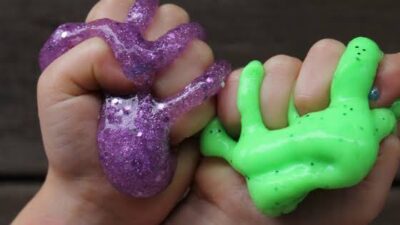
Slime isn’t just a fun trend—it’s a creative, hands-on activity loved by kids, teens, and even adults. Whether you’re looking for a rainy-day project, a sensory play activity, or a stress-relieving craft, this guide will help you get started. If you’ve ever wanted an easy and reliable slime method, try this slime recipe today and enjoy hours of squishy fun.
This article walks you through a simple slime recipe, useful variations, safety tips, and practical tricks to get perfect results every time.
Why Slime Is So Popular
Slime has become a global favorite because it’s:
Easy to make at home
Affordable with simple ingredients
Great for sensory play
Relaxing and stress-reducing
Highly customizable
From classrooms to living rooms, slime-making is both entertaining and educational. That’s why so many people say, “Try this slime recipe today!”
What Is Slime Made Of?
Slime is created by combining glue with an activator that changes its texture. The result is a stretchy, moldable material that’s neither solid nor liquid.
Basic Slime Components
Glue (usually white or clear PVA glue)
Activator (contact lens solution, baking soda, or borax)
Add-ins (color, glitter, foam beads, scents)
Understanding these basics makes slime-making easier and more successful.
Try This Slime Recipe Today: Simple & Classic
This beginner-friendly slime recipe works consistently and requires minimal effort.
Ingredients
1 cup white school glue
½ teaspoon baking soda
1–2 tablespoons contact lens solution (with boric acid)
Food coloring (optional)
Glitter or beads (optional)
This combination creates stretchy, non-sticky slime that’s perfect for beginners.
Step-by-Step Slime Instructions
Step 1: Pour the Glue
Add glue to a mixing bowl. If using food coloring or glitter, mix it in now.
Step 2: Add Baking Soda
Stir in the baking soda thoroughly. This helps thicken the slime and improves texture.
Step 3: Activate the Slime
Slowly add contact lens solution while stirring. The slime will begin to form almost immediately.
Step 4: Knead by Hand
Once slime pulls away from the bowl, knead it with your hands for 1–2 minutes until smooth.
That’s it! You’ve just completed a foolproof method—try this slime recipe today and see how easy it is.
Why This Slime Recipe Works
This slime recipe is reliable because:
Baking soda stabilizes the mixture
Contact lens solution activates properly
Glue provides consistent elasticity
Minimal ingredients reduce error
It’s ideal for home use, classrooms, and parties.
Slime Texture Troubleshooting
Even simple recipes can need adjustment.
If Slime Is Too Sticky
Add a few drops of contact lens solution
Knead longer
If Slime Is Too Stiff
Add a little glue
Knead with damp hands
If Slime Won’t Form
Check that your contact solution contains boric acid
Use PVA glue
These fixes ensure success when you try this slime recipe today.
Fun Slime Variations to Try
Slime is endlessly customizable.
Fluffy Slime
Add shaving cream for a soft, cloud-like texture.
Clear Slime
Use clear glue and mix gently to reduce bubbles.
Butter Slime
Add air-dry clay for a smooth, spreadable slime.
Crunchy Slime
Mix in foam beads or plastic pellets.
Glow-in-the-Dark Slime
Use glow paint or powder for nighttime fun.
Each variation builds on the same base recipe.
Educational Benefits of Slime
Slime isn’t just fun—it’s educational.
Learning Benefits
Introduces basic chemistry concepts
Improves fine motor skills
Encourages creativity
Enhances sensory development
That’s why teachers and parents often say, “Try this slime recipe today!”
Slime Safety Tips
Safety is important, especially with children.
Safe Slime Practices
Always supervise young children
Avoid contact with eyes and mouth
Wash hands after playing
Use slime on clean surfaces
Store slime properly
Slime is safe when handled responsibly.
How to Store Slime Properly
Proper storage keeps slime fresh longer.
Storage Tips
Store in airtight containers
Keep at room temperature
Avoid heat and sunlight
Label slime with date made
Well-stored slime can last 1–2 weeks or longer.
Common Slime-Making Mistakes to Avoid
❌ Adding too much activator
❌ Skipping kneading time
❌ Using expired glue
❌ Overmixing clear slime
❌ Not sealing slime containers
Avoiding these mistakes improves consistency.
Slime for Parties and Playdates
Slime is perfect for group activities.
Party Ideas
Slime-making stations
Color-mixing challenges
Texture experiments
Slime favors in containers
It’s a fun, hands-on activity that appeals to all ages.
Budget-Friendly Slime Tips
You don’t need expensive supplies.
Save Money By
Buying glue in bulk
Reusing containers
Using basic food coloring
Avoiding unnecessary add-ins
Slime is one of the most affordable DIY crafts.
Why Kids and Adults Love Slime
Slime appeals to all ages because it:
Relieves stress
Feels satisfying to touch
Sparks creativity
Encourages experimentation
Requires no screens
It’s a simple pleasure with big appeal.
Practical Tips for Best Results
Measure ingredients carefully
Add activator slowly
Knead thoroughly
Experiment with textures
Store slime properly
These tips guarantee success when you try this slime recipe today.
Conclusion
Slime-making is a fun, creative, and surprisingly educational activity that anyone can enjoy. With simple ingredients and easy steps, this guide shows exactly how to succeed. If you’re looking for a stress-free craft or a hands-on project for kids, try this slime recipe today and discover just how satisfying homemade slime can be.
Once you master the basics, you’ll love experimenting with new textures, colors, and styles. Slime is proof that simple recipes can bring big joy.