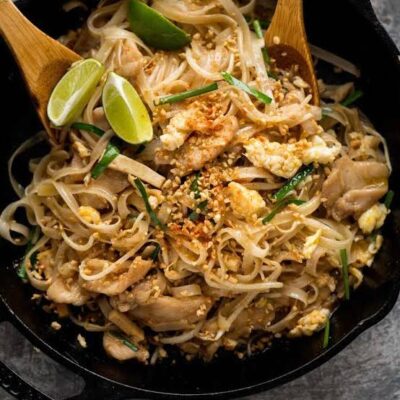
If you’re craving big flavor but don’t want to spend hours in the kitchen, this Tasty Pad Thai Recipe for Any Occasion is exactly what you need. Pad Thai is one of those dishes that feels special enough for a dinner party, but simple enough for a weeknight. It’s sweet, tangy, a little savory, and loaded with chewy rice noodles, crunchy peanuts, and fresh lime.
In this guide, you’ll get a balanced, easy homemade Pad Thai recipe, clear step-by-step instructions, and practical tips so it works whether you’re cooking in the United States, United Kingdom, or Canada.
What Makes Pad Thai So Good?
Pad Thai is all about balance:
Sweet from sugar
Tangy from tamarind and lime
Salty and savory from fish sauce or soy sauce
Texture from chewy noodles, crisp veggies, and crunchy peanuts
The beauty of this Tasty Pad Thai Recipe for Any Occasion is that you can customize it: keep it vegetarian, add shrimp or chicken, or load it with veg. Once you’ve made it once, it’ll probably become part of your regular rotation.
Ingredients: Tasty Pad Thai Recipe for Any Occasion
This recipe serves 3–4 people.
Rice Noodles
8 oz (225 g) flat rice noodles (Pad Thai or stir-fry noodles, about ¼ inch wide)
Protein (Choose One or Mix)
8 oz (225 g) chicken breast or thighs, thinly sliced
or 8 oz (225 g) peeled shrimp
or 1 block (about 14 oz / 400 g) firm tofu, pressed and cubed
or keep it just veggie and skip the protein
Pad Thai Sauce
3 tablespoons fish sauce
3 tablespoons tamarind paste (or 2 tbsp tamarind + 1 tbsp lime juice)
2–3 tablespoons brown sugar or palm sugar
1–2 tablespoons soy sauce (light or all-purpose)
No fish sauce? Use extra soy sauce plus a pinch of salt for a vegetarian version.
Veggies and Add-Ins
2 tablespoons neutral oil (canola, vegetable, peanut, or sunflower)
2 eggs, lightly beaten (optional but classic)
2–3 cloves garlic, minced
½ small onion or 2–3 green onions, sliced
1 cup (about 100 g) bean sprouts (plus extra for serving)
1 small carrot, cut into matchsticks or thin strips (optional)
½ red bell pepper, thinly sliced (optional)
Toppings
¼–⅓ cup (30–40 g) roasted peanuts, roughly chopped
Fresh lime wedges (2–3 limes)
Fresh cilantro and/or green onions, chopped
Chili flakes, chili powder, or sriracha to serve
Step-by-Step: How to Make This Tasty Pad Thai Recipe
1. Soak the Rice Noodles
Place the rice noodles in a large bowl.
Cover with very hot tap water (not boiling) and soak for about 20–30 minutes, or until they’re soft but still slightly firm in the center.
Stir occasionally so they don’t stick together.
Drain and set aside.
You want the noodles bendy but not mushy. They’ll finish cooking in the pan.
2. Mix the Pad Thai Sauce
In a small bowl, whisk together:
3 tbsp fish sauce
3 tbsp tamarind paste
2–3 tbsp brown sugar (start with 2, add more if you like it sweeter)
1–2 tbsp soy sauce
Taste and adjust:
Too salty? Add a bit more sugar or a splash of water.
Too sour? Add a little more sugar.
Too sweet? Add a bit more tamarind or a squeeze of lime.
This balanced sauce is the secret that helps you Make a Tasty Pad Thai Recipe for Any Occasion every single time.
3. Prep Your Protein and Veggies
If using chicken, slice thinly against the grain.
If using shrimp, pat dry and remove tails if you like.
If using tofu, press to remove moisture (wrap in a clean towel and gently squeeze), then cut into cubes.
Chop your garlic, onion, carrot, and pepper, and have your bean sprouts, eggs, and toppings ready. Pad Thai cooks fast once you start.
4. Stir-Fry the Protein
Heat 1 tablespoon of oil in a large non-stick pan or wok over medium-high heat.
Add your protein in a single layer.
Cook until just done:
Chicken: opaque and lightly golden, 4–6 minutes
Shrimp: pink and firm, 2–3 minutes
Tofu: lightly golden on a few sides, 5–7 minutes
Remove the cooked protein from the pan and set aside.
5. Cook the Eggs and Aromatics
In the same pan, add another 1 tablespoon of oil.
Add the garlic and onion (or green onion whites) and stir-fry for about 30–60 seconds, until fragrant.
Push the garlic and onion to one side of the pan.
Pour in the beaten eggs on the empty side, scrambling gently until just set.
Break the scrambled egg into bite-sized pieces with your spatula.
6. Add the Noodles and Sauce
Add the drained noodles to the pan.
Pour the Pad Thai sauce over the top.
Toss everything together over medium heat for 2–4 minutes, using tongs or a spatula.
If the noodles look dry or start to clump:
Add 2–3 tablespoons of water at a time, tossing until they soften and loosen.
You want the noodles glossy and coated, not soupy.
7. Add Veggies and Protein Back In
Add the bean sprouts, carrot, and bell pepper. Toss for 1–2 minutes until just slightly softened but still crisp.
Return the cooked chicken/shrimp/tofu to the pan.
Toss until everything is heated through and evenly coated in sauce.
Turn off the heat and get ready to finish with toppings.
Serving Your Tasty Pad Thai Recipe for Any Occasion
Divide the Pad Thai into bowls or plates and top with:
A generous sprinkle of chopped peanuts
Fresh cilantro and green onion greens
Extra bean sprouts
A wedge or two of lime on each plate
Optional chili flakes or a small drizzle of sriracha for heat
Right before eating, squeeze the lime over the top. That final splash of citrus is what makes the flavors pop and really turns this into the Tasty Pad Thai Recipe for Any Occasion.
Practical Tips for Pad Thai Success
1. Don’t Overcook the Noodles
Rice noodles go from perfect to mushy fast.
Soak only until flexible, not falling apart.
Finish cooking them in the sauce, not in the water.
If they start to break, lower the heat and add a splash of water—then stop stirring so aggressively.
2. Adjust the Flavor at the End
Everyone has a different idea of the “perfect” Pad Thai. Once it’s cooked:
Too salty? Add a pinch of sugar or a bit more lime.
Too sweet? Add a splash more tamarind or fish sauce.
Too sour? Add a little more sugar.
Take a bite, tweak, taste again. That’s how you truly Make a Tasty Pad Thai Recipe for Any Occasion that matches your taste.
3. Make It Vegetarian or Vegan
To keep this Pad Thai meat-free:
Use tofu or just extra veggies instead of chicken or shrimp.
Swap fish sauce for more soy sauce or a vegetarian “fish” sauce if you have it.
Skip the eggs and add extra tofu for a vegan version.
The sauce and toppings still provide tons of flavor without any animal products.
4. Use What You Have
Pad Thai is very forgiving. You can swap in:
Cabbage or snap peas for the carrots/pepper
Cashews instead of peanuts
Lemon if you’re out of lime (lime is more classic, but lemon works in a pinch)
As long as you keep the basic sauce balance and the noodle texture right, your Tasty Pad Thai Recipe for Any Occasion will still be delicious.
5. Storing and Reheating
If you have leftovers:
Store them in an airtight container in the fridge for up to 2–3 days.
To reheat, add a tablespoon or two of water to a pan, then add the Pad Thai and warm gently, tossing until hot.
You can also microwave in short bursts, stirring and adding a tiny splash of water if it seems dry.
Fresh lime and peanuts added after reheating make leftovers taste almost like new.
Conclusion: Your Go-To Pad Thai for Any Occasion
Whether it’s a family dinner, a casual hangout, or you just want something better than takeout, this Tasty Pad Thai Recipe for Any Occasion has you covered. With a handful of everyday ingredients, a balanced homemade sauce, and a few smart tricks, you can:
Customize it with your favorite protein or keep it vegetarian
Adjust the sweet–sour–salty levels to match your taste
Serve a dish that feels restaurant-worthy but is totally doable at home