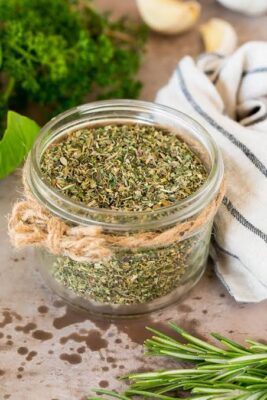
Italian seasoning is one of those pantry staples that instantly elevates your cooking. From pasta sauces to roasted vegetables, grilled meats, and even salad dressings, this blend of herbs adds warmth and depth to any dish. Instead of buying pre-mixed jars from the store, why not make your own at home? It’s fresher, more customizable, and often more budget-friendly. If you want a quick and versatile flavor booster, you need to try this Italian seasoning recipe today!
What Is Italian Seasoning?
Italian seasoning is a dried herb blend that brings together classic Mediterranean flavors. While the exact mix can vary, the most common herbs include:
Oregano
Basil
Rosemary
Thyme
Marjoram
Sage
This herb blend is popular in the United States, United Kingdom, and Canada, especially for Italian-American dishes like pasta, pizza, and marinades.
Ingredients for Homemade Italian Seasoning
Here’s a simple recipe to make about ½ cup of seasoning:
2 tablespoons dried oregano
2 tablespoons dried basil
2 tablespoons dried thyme
1 tablespoon dried rosemary
1 tablespoon dried marjoram
1 tablespoon dried sage
1 teaspoon garlic powder (optional, for extra flavor)
1 teaspoon red pepper flakes (optional, for a spicy kick)
Step-by-Step Instructions
Step 1: Measure the Herbs
Measure out all your dried herbs and optional add-ins. Make sure they’re fresh and fragrant—dried herbs usually last about 1 year if stored properly.
Step 2: Mix Thoroughly
In a small bowl, combine all the herbs. Mix well to ensure an even distribution of flavors.
Step 3: Store in an Airtight Container
Transfer your Italian seasoning blend to a glass jar or spice container. Label it and store it in a cool, dark place.
How to Use Italian Seasoning
This homemade blend is incredibly versatile. Here are some delicious ways to use it:
Pasta Sauces: Add 1–2 teaspoons to marinara or Alfredo for depth.
Pizza: Sprinkle over homemade or store-bought pizza.
Grilled Meats: Rub onto chicken, beef, or pork with olive oil before grilling.
Roasted Vegetables: Toss with olive oil, salt, and seasoning before roasting.
Soups & Stews: Stir into tomato soup, minestrone, or chicken stew.
Salad Dressing: Mix into olive oil and vinegar for a quick vinaigrette.
Tips for the Perfect Blend
Adjust to taste: Love oregano? Add more! Prefer less rosemary? Reduce it.
Go organic: Use organic dried herbs for cleaner flavor.
Crush before mixing: Lightly crush herbs with a mortar and pestle to release more aroma.
Make small batches: Fresher blends taste better, so don’t make more than you’ll use in 6 months.
Why Make Italian Seasoning at Home?
Customizable: You control the ratio of herbs.
Cost-effective: Dried herbs in bulk are cheaper than pre-made blends.
Fresher taste: Homemade mixes are more fragrant.
No additives: Unlike some store-bought versions, this recipe has no fillers or preservatives.
Conclusion
If you love flavorful, comforting meals, you absolutely need to try this Italian seasoning recipe today. It’s quick to make, budget-friendly, and far better than store-bought versions. With just a handful of dried herbs, you’ll have a versatile seasoning that works for pasta, pizza, soups, meats, and more. Once you start making it yourself, you’ll never go back to store-bought! 🌿✨