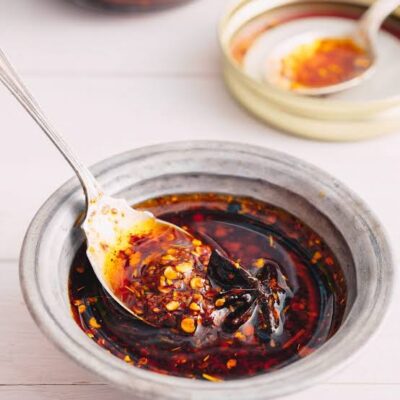
Few ingredients can instantly elevate everyday meals like chili oil. With its bold heat, deep aroma, and rich flavor, chili oil has become a kitchen essential across many cuisines. From drizzling over noodles to enhancing stir-fries, it’s easy to see why home cooks everywhere want to transform their cooking with this chili oil recipe!
The best part? Homemade chili oil is simple to make, fully customizable, and far more flavorful than store-bought versions. In this guide, you’ll learn the secrets behind perfect chili oil, step-by-step instructions, and practical tips to use it like a pro.
Why Chili Oil Is a Must-Have Ingredient
Chili oil is loved because it:
Adds instant heat and depth to any dish
Is incredibly versatile across cuisines
Can be customized to your spice tolerance
Has a long shelf life when stored properly
Turns simple meals into restaurant-style dishes
Once you try it, you’ll understand why so many cooks want to transform their cooking with this chili oil recipe!
Essential Ingredients for Chili Oil
To make a flavorful chili oil, you’ll need:
1 cup neutral oil (canola, vegetable, or peanut oil)
1/4 cup crushed red chili flakes
2 cloves garlic, minced
1 small shallot, finely sliced (optional)
1 teaspoon sesame seeds
1/2 teaspoon salt
Optional spices: star anise, cinnamon stick, bay leaf, Sichuan peppercorns
High-quality ingredients are key to bold, balanced chili oil.
Step-by-Step: How to Make Chili Oil
H2: Heat the Oil
Add oil to a saucepan
Heat gently over medium-low until it reaches about 325°F (165°C)
Do not let the oil smoke
H3: Infuse the Aromatics
Add garlic, shallots, and optional spices
Let them gently sizzle until fragrant (1–2 minutes)
Remove from heat once lightly golden
H3: Pour Over Chili Flakes
Place chili flakes, sesame seeds, and salt in a heatproof bowl
Carefully pour the hot oil over the mixture
Stir gently and allow to cool
This step releases aroma and flavor without burning the chilies.
H3: Cool and Store
Let chili oil cool completely
Transfer to a clean, airtight jar
Store in the refrigerator or a cool, dark place
Practical Tips for Perfect Chili Oil
Use medium-quality chili flakes for balanced heat
Never overheat oil—burnt oil ruins flavor
Adjust spice level by increasing or reducing chili flakes
Strain or leave solids based on your preference
Label and date your jar for freshness
These tips ensure consistent, delicious results every time.
Flavor Variations to Try
Garlic Chili Oil
Add extra fried garlic for bold flavor.
Spicy-Sweet Chili Oil
Add a teaspoon of sugar or honey.
Sichuan-Style Chili Oil
Include Sichuan peppercorns for a numbing, citrusy kick.
Smoky Chili Oil
Use smoked paprika or dried chipotle flakes.
Common Mistakes to Avoid
Burning the garlic
Pouring oil that’s too hot
Using low-quality oil
Skipping salt
Avoiding these mistakes makes a noticeable difference.
How to Use Chili Oil in Everyday Cooking
Chili oil can be used to:
Drizzle over noodles, ramen, and dumplings
Enhance eggs, pizza, and avocado toast
Boost stir-fries and fried rice
Add heat to soups and sauces
Finish roasted vegetables
A spoonful goes a long way in transforming flavor.
Why Homemade Chili Oil Is Better
Fresher and more aromatic
Customizable heat and spice
No preservatives
Cost-effective and easy to make
Once you make it yourself, store-bought chili oil won’t compare.
Conclusion
Chili oil is a simple yet powerful ingredient that brings bold flavor to any dish. With just a few pantry staples and a little care, you can transform your cooking with this chili oil recipe and elevate meals effortlessly.
From noodles to breakfast eggs, homemade chili oil adds warmth, richness, and excitement to your kitchen—one spoonful at a time 🌶️✨