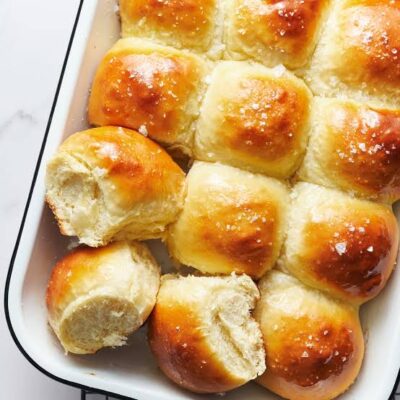
Few things compare to the irresistible smell of freshly baked bread filling your kitchen. And when it comes to comfort food, dinner rolls top the list. Soft, fluffy, golden brown, and perfect for pairing with almost any meal—these little pillows of goodness are a must-have for every home cook’s recipe box. Whether served alongside a holiday feast, a weeknight dinner, or simply enjoyed with butter and jam, dinner rolls have a universal appeal.
If you’ve ever thought baking bread was complicated, think again. This is the ultimate dinner rolls recipe guide you need! Packed with step-by-step instructions, helpful tips, and variations, this guide will walk you through everything to achieve bakery-quality rolls at home.
Why Homemade Dinner Rolls Are Worth It
While store-bought rolls are convenient, homemade dinner rolls offer a level of flavor and texture that’s hard to beat. Here’s why they’re worth the effort:
Freshness – Nothing beats bread straight from the oven.
Customizable – You control the size, shape, and flavor.
Wholesome ingredients – No unnecessary preservatives or additives.
Satisfying process – Kneading dough and watching it rise is rewarding.
Simply put, making your own rolls elevates any meal. That’s why this truly is the ultimate dinner rolls recipe guide you need!
Classic Dinner Rolls Recipe
Let’s dive into the foundation of this guide: the classic, foolproof recipe that yields light, buttery rolls every time.
Ingredients:
4 cups (480 g) all-purpose flour
2 ¼ teaspoons (1 packet) active dry yeast
1 cup (240 ml) warm milk (about 110°F/43°C)
¼ cup (50 g) granulated sugar
1 large egg (room temperature)
⅓ cup (75 g) unsalted butter (softened)
1 teaspoon salt
2 tablespoons melted butter (for brushing)
Step-by-Step Instructions:
Activate the Yeast
In a small bowl, combine warm milk, sugar, and yeast. Let sit for 5–10 minutes until foamy.
Make the Dough
In a large mixing bowl, combine flour and salt. Add the yeast mixture, egg, and softened butter. Mix until a shaggy dough forms.
Knead the Dough
Turn onto a lightly floured surface and knead for 8–10 minutes until smooth and elastic. If using a stand mixer, knead with a dough hook for 5–6 minutes.
First Rise
Place the dough in a greased bowl, cover, and let it rise in a warm spot for 1–2 hours, or until doubled in size.
Shape the Rolls
Punch down the dough and divide it into 12–16 equal pieces. Shape each into a ball and place them in a greased baking dish.
Second Rise
Cover and let rise again for 30–45 minutes, until puffy.
Bake
Preheat oven to 375°F (190°C). Bake rolls for 18–20 minutes, or until golden brown.
Finish
Brush warm rolls with melted butter before serving.
This classic method proves why this is the ultimate dinner rolls recipe guide you need!
Variations to Try
The beauty of dinner rolls lies in their versatility. Once you’ve mastered the classic recipe, experiment with these variations.
H3: Garlic Herb Rolls
Add 2 tablespoons of chopped fresh herbs (like rosemary or parsley) and 2 minced garlic cloves to the dough. Brush baked rolls with garlic butter.
H3: Cheese Rolls
Incorporate 1 cup of shredded cheddar, parmesan, or mozzarella into the dough for cheesy, savory rolls.
H3: Sweet Rolls
Increase sugar to ½ cup and add a touch of cinnamon for lightly sweet rolls perfect with breakfast.
H3: Whole Wheat Rolls
Swap half the all-purpose flour with whole wheat flour for a nuttier, healthier version.
H3: Pull-Apart Rolls
Arrange dough balls in a bundt pan for a stunning pull-apart bread presentation.
These variations ensure that this is more than just a recipe—it’s truly the ultimate dinner rolls recipe guide you need!
Practical Tips for Perfect Dinner Rolls
Even though the recipe is straightforward, a few insider tricks will guarantee success:
Check yeast freshness – If your yeast doesn’t foam, it’s expired. Always test before baking.
Use warm (not hot) liquid – Milk that’s too hot will kill the yeast. Aim for about body temperature.
Weigh your flour – Using a kitchen scale ensures consistent results. Too much flour makes dense rolls.
Don’t skip the second rise – This step is key for light, fluffy texture.
Bake in a glass or metal dish – Glass ensures even browning, while metal gives a crisper crust.
Butter while hot – Brushing butter immediately after baking locks in moisture and adds flavor.
These tips transform a good recipe into perfect rolls every time.
How to Serve Dinner Rolls
Dinner rolls are incredibly versatile. Here are some delicious ways to enjoy them:
Classic side dish – Serve warm with butter alongside soups, roasts, or stews.
Mini sandwiches – Slice rolls and fill with ham, turkey, or pulled pork.
Breakfast treat – Spread with jam, honey, or Nutella.
Holiday staple – A must-have on Thanksgiving, Christmas, or Easter tables.
Leftover magic – Use stale rolls for croutons or bread pudding.
No matter how you serve them, this guide ensures you’ll always have the ultimate dinner rolls recipe you need!
Troubleshooting Common Issues
Even experienced bakers run into challenges. Here’s how to fix them:
Dense rolls – Likely due to not enough kneading or expired yeast.
Flat rolls – Could be from overproofing the dough during the second rise.
Dry texture – Too much flour or overbaking can cause dryness.
Burned tops – Tent with foil halfway through baking to prevent over-browning.
Knowing how to troubleshoot ensures you’ll get it right every time.
Conclusion
Dinner rolls are more than just bread—they’re a warm, comforting addition that makes any meal feel special. With this guide, you now have everything you need: a reliable base recipe, creative variations, practical tips, and troubleshooting advice. Whether you’re baking for a holiday, a family dinner, or just because, this is the ultimate dinner rolls recipe guide you need!
Once you try baking them at home, you’ll never look at store-bought rolls the same way again. Fluffy, buttery, and utterly irresistible—these rolls deserve a permanent place in your recipe collection.