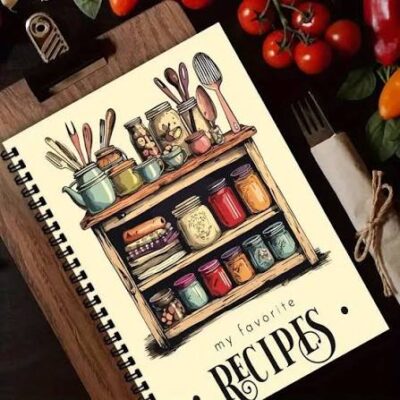
A recipe book is more than just a collection of meals—it’s a story, a family treasure, or even a potential bestseller. Whether you’re compiling family favorites, creating a gift for friends, or designing a professional cookbook, presentation is just as important as the recipes themselves. That’s why so many food lovers and creators want to know how to achieve the perfect recipe book design every time.
In this guide, you’ll learn the essential elements of recipe book design, from layout and fonts to photography and usability. With these tips, you can transform your recipes into a polished, beautiful, and easy-to-use cookbook that readers will love.
Why Recipe Book Design Matters
First Impressions Count: An attractive layout draws readers in.
Easy to Follow: Clear instructions and visuals make cooking stress-free.
Keeps Readers Engaged: Creative design adds personality and keeps people flipping pages.
Professional Appeal: A well-designed recipe book stands out—whether printed or digital.
Simply put, a thoughtfully designed cookbook makes your recipes shine.
Step-by-Step Guide: Perfect Recipe Book Design Every Time
H2: Step 1 – Define Your Purpose and Audience
Before you design, ask:
Is this for personal use, family, or professional publishing?
Who is your target audience—busy parents, gourmet chefs, or beginners?
This helps shape the overall tone, style, and design.
H2: Step 2 – Choose the Right Layout
Single-Page Layout: One recipe per page for simplicity.
Two-Page Spread: Recipe on one side, photo on the other.
Category Sections: Group recipes by type (breakfast, main courses, desserts).
Tip: Use consistent headers, spacing, and numbering throughout.
H2: Step 3 – Pick Fonts and Typography
Use a clean, legible font for instructions (like sans-serif).
Choose a decorative or script font sparingly for titles.
Ensure font size is readable, especially in printed books.
H2: Step 4 – Use High-Quality Photography
Nothing sells a recipe like a beautiful food photo.
Shoot in natural light for vibrant, true colors.
Keep backgrounds simple to highlight the dish.
Add step-by-step images for complex recipes.
H2: Step 5 – Organize Ingredient Lists Clearly
Use bullet points for clarity.
List ingredients in the order they’re used.
Include measurements in standard and metric (for US, UK, and Canadian readers).
H2: Step 6 – Make Instructions Easy to Follow
Break down steps into short, numbered sentences.
Highlight key cooking times or temperatures in bold.
Include tips or substitutions where helpful.
Creative Recipe Book Design Ideas
H3: Minimalist Style
Clean lines, simple fonts, and lots of white space. Perfect for modern, health-focused recipes.
H3: Rustic and Homely
Use earthy colors, handwritten-style fonts, and warm food photography. Great for family recipe collections.
H3: Illustrated Cookbooks
Add sketches, doodles, or watercolor art for a whimsical and unique design.
H3: Digital Interactive Books
For e-books, include clickable links, embedded videos, or interactive ingredient checklists.
Practical Tips for Success
Consistency is Key: Stick to a theme—colors, fonts, and layout should match throughout.
Leave Space for Notes: Readers love jotting down their tweaks.
Test Print Pages: What looks good on a screen may not translate to print.
Add Personal Touches: Share stories, tips, or family traditions alongside recipes.
Common Mistakes to Avoid
Overcrowding pages with too much text or images.
Using low-quality photos that don’t showcase the dish.
Inconsistent formatting that confuses readers.
Ignoring accessibility—small fonts or poor color contrast make it hard to read.
Conclusion
Designing a recipe book isn’t just about aesthetics—it’s about creating a guide that’s enjoyable, inspiring, and easy to use. With the right mix of layout, fonts, photography, and consistency, you can achieve the perfect recipe book design every time.
Whether it’s a family heirloom, a self-published cookbook, or a creative DIY project, your recipe book can become as cherished as the dishes it contains.
So start designing today, and watch your recipes come to life in a beautiful, functional, and timeless format.