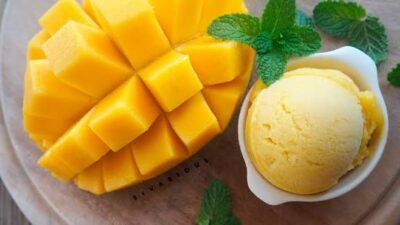
Nieve de Mango is a refreshing frozen dessert loved for its bright tropical flavor, smooth texture, and natural sweetness. Originating in Latin American culinary traditions, this delicious treat is often compared to mango sorbet or fruit ice, but it has its own distinctive character thanks to simple ingredients and traditional preparation methods. Whether enjoyed on a hot summer day or served as a light dessert after a hearty meal, Nieve de Mango has become increasingly popular with dessert lovers across the United States, United Kingdom, and Canada.
One of the reasons Nieve de Mango stands out is its simplicity. Made primarily with ripe mangoes, sugar, and citrus juice, it highlights the natural taste of the fruit without heavy cream or artificial flavors. As more people look for dairy-free and naturally flavored desserts, this frozen mango treat has found a global audience.
In this guide, you’ll learn everything you need to know about Nieve de Mango — its origins, ingredients, preparation methods, variations, serving ideas, and practical tips to help you make your own perfect batch at home.
What Is Nieve de Mango?
A Traditional Frozen Fruit Dessert
Nieve de Mango is a classic frozen dessert similar to sorbet but often softer and more rustic in texture. Traditionally sold by street vendors and small ice cream shops, it emphasizes fresh fruit and natural ingredients. Unlike creamy ice cream, this mango-based dessert is usually dairy-free, making it suitable for many dietary preferences.
How It Differs from Mango Sorbet
Although Nieve de Mango and mango sorbet share similarities, there are subtle differences:
Nieve de Mango often has a slightly softer, more granular texture.
Traditional recipes may use less refined processing.
It frequently includes fresh lime or lemon juice to balance sweetness.
Because of its natural simplicity, Nieve de Mango is a popular option for those seeking lighter frozen desserts.
The History and Cultural Significance of Nieve de Mango
Roots in Latin American Cuisine
The word “nieve” means “snow,” reflecting the icy, refreshing nature of this dessert. Historically, frozen fruit treats were created using ice mixed with fruit pulp and sugar, forming a cooling snack long before modern refrigeration.
Growing Popularity Worldwide
Today, Nieve de Mango has expanded beyond its traditional roots and gained recognition internationally. Food enthusiasts in North America and Europe appreciate its:
Tropical flavor profile
Simple preparation
Plant-based ingredients
Refreshing texture
Its rise in popularity aligns with the growing demand for healthier dessert alternatives.
Key Ingredients for Authentic Nieve de Mango
Fresh Mangoes
The star ingredient in Nieve de Mango is ripe mango. Varieties such as Ataulfo, Kent, or Tommy Atkins are commonly used due to their sweetness and smooth texture.
Sweetener
Traditional recipes often use sugar, but you can substitute honey, agave syrup, or maple syrup for a natural twist.
Citrus Juice
Fresh lime or lemon juice enhances the mango’s flavor and adds brightness to the dessert.
Optional Ingredients
Water or coconut water for blending
Chili powder or tajín for a spicy-sweet version
Mint or basil for herbal freshness
Choosing high-quality, ripe fruit is essential for achieving the authentic taste of Nieve de Mango.
How to Make Nieve de Mango at Home
Basic Preparation Method
Creating homemade Nieve de Mango is surprisingly easy and requires only a few steps.
Step 1: Prepare the Mango
Peel and chop ripe mangoes, removing the pit. Use fully ripe fruit for the best natural sweetness.
Step 2: Blend the Ingredients
Combine mango pieces with sugar and citrus juice in a blender. Add a small amount of water if needed to achieve a smooth consistency.
Step 3: Freeze the Mixture
Pour the mango puree into a shallow container and freeze. Stir every 30–45 minutes during the first few hours to prevent large ice crystals from forming.
Step 4: Serve and Enjoy
Once the mixture reaches a soft, scoopable texture, your Nieve de Mango is ready to serve.
Using an Ice Cream Maker
If you have an ice cream maker, you can churn the mango mixture for a smoother texture. This method produces a consistency closer to traditional sorbet while maintaining the authentic flavor of Nieve de Mango.
Variations of Nieve de Mango
Spicy Mango Nieve
Add chili powder or a pinch of cayenne pepper for a sweet-and-spicy kick that enhances the fruit’s natural flavor.
Coconut Mango Nieve
Blend mango with coconut milk or coconut water for a tropical twist that adds creaminess without dairy.
Mango and Pineapple Blend
Mix mango with pineapple for a tangy variation that introduces additional tropical complexity.
Sugar-Free Nieve de Mango
Use ripe mangoes and natural sweeteners like stevia or monk fruit to create a lower-sugar version suitable for health-conscious eaters.
Health Benefits of Nieve de Mango
Naturally Nutrient-Rich
Mangoes are a good source of:
Vitamin C
Vitamin A
Dietary fiber
Antioxidants
Because Nieve de Mango is typically dairy-free and fruit-based, it can be a lighter dessert option compared to traditional ice cream.
A Refreshing Hydration Boost
Thanks to its fruit content and water base, this frozen mango treat can help keep you cool and hydrated during warm weather.
Practical Tips for Perfect Nieve de Mango
Choose the Right Mangoes
Select mangoes that are soft to the touch and fragrant. Overripe mangoes work well because they are sweeter and easier to blend.
Balance Sweetness and Acidity
Always taste the mixture before freezing. Adjust sugar or citrus juice to achieve a balanced flavor.
Prevent Ice Crystals
If you don’t have an ice cream maker, stirring the mixture during freezing helps maintain a smooth texture.
Store Properly
Keep Nieve de Mango in an airtight container to prevent freezer burn. Let it sit at room temperature for a few minutes before serving for easier scooping.
Experiment with Flavors
Don’t hesitate to try combinations like mango-lime, mango-mint, or mango-ginger to personalize your recipe.
Serving Ideas and Presentation
Nieve de Mango can be served in many creative ways:
In chilled bowls with fresh fruit slices
In waffle cones for a street-style presentation
As a palate cleanser between courses
Paired with spicy dishes to balance heat
Garnished with lime zest, mint leaves, or chili flakes
Its vibrant orange color makes it visually appealing and perfect for summer gatherings or festive events.
Conclusion
Nieve de Mango is more than just a frozen dessert — it’s a celebration of fresh fruit, simplicity, and vibrant flavor. With only a handful of ingredients and minimal equipment, anyone can create this refreshing treat at home. Its natural sweetness, dairy-free composition, and customizable variations make it a favorite among dessert lovers across the United States, United Kingdom, and Canada.
By understanding the basics of preparation, choosing ripe mangoes, and experimenting with different flavor combinations, you can enjoy homemade Nieve de Mango that rivals traditional versions. Whether served at a summer barbecue, enjoyed as a healthy snack, or offered as a light dessert after dinner, this tropical frozen delight is sure to impress.