Few dishes capture the spirit of French home cooking quite like ratatouille. Originating from Provence, this humble vegetable medley has grown into an iconic recipe enjoyed worldwide. Its vibrant colors, bold flavors, and versatility make it both a comforting weeknight meal and an elegant dinner-party centerpiece.
Whether you’ve seen it in the famous Pixar movie or savored it at a rustic café in the south of France, ratatouille is a dish that everyone should learn to make. With a bit of patience, the right ingredients, and a few cooking techniques, you can easily master the art of ratatouille recipe today!
In this guide, we’ll explore the history of ratatouille, break down its essential ingredients, walk through a classic recipe, share variations, and provide practical tips so you can create a dish that is both authentic and tailored to your taste.
The Story Behind Ratatouille
Ratatouille comes from the French word touiller, meaning “to stir up.” Traditionally, it was a peasant dish—farmers used whatever vegetables were fresh and abundant during the summer harvest. Over time, this simple recipe transformed into a celebrated culinary staple that represents the heart of Provençal cuisine.
What makes ratatouille special is not just its taste but its philosophy of cooking with the season, respecting ingredients, and allowing natural flavors to shine.
Essential Ingredients for Ratatouille
While there are countless variations, most recipes share these key ingredients:
Eggplant – adds a hearty, meaty texture.
Zucchini (courgettes) – light and tender, perfect for soaking up flavors.
Bell Peppers – bring sweetness and vibrant color.
Tomatoes – the base that ties everything together with acidity and depth.
Onions & Garlic – provide aromatic richness.
Herbs de Provence – a mix of thyme, rosemary, oregano, and basil for authentic French flavor.
Olive Oil – essential for roasting and sautéing.
Mastering ratatouille starts with fresh, high-quality vegetables and simple seasonings.
Classic Ratatouille Recipe
Here’s a tried-and-true method to master the art of ratatouille recipe today in your own kitchen.
Ingredients
1 medium eggplant
2 zucchinis
2 bell peppers (red and yellow for color)
4 ripe tomatoes (or 1 can of crushed tomatoes)
1 large onion
4 cloves garlic
4 tablespoons olive oil
1 teaspoon dried thyme (or Herbes de Provence)
½ teaspoon salt
½ teaspoon black pepper
Fresh basil for garnish
Instructions
Step 1: Prepare the Vegetables
Dice the eggplant, zucchini, peppers, tomatoes, and onion into even bite-sized pieces.
Mince the garlic.
Step 2: Cook in Stages
Ratatouille tastes best when each vegetable is cooked separately before combining.
Heat olive oil in a large skillet.
Cook eggplant until lightly browned, then remove and set aside.
Repeat with zucchini, then peppers.
Sauté onion and garlic until fragrant.
Add tomatoes and cook until they form a rich base.
Step 3: Combine and Simmer
Return all the vegetables to the skillet. Season with thyme, salt, and pepper. Cover and simmer on low heat for 20–30 minutes, stirring occasionally.
Step 4: Serve
Garnish with fresh basil and a drizzle of olive oil. Enjoy hot, warm, or even at room temperature.
Variations of Ratatouille
Once you’ve mastered the basic recipe, you can explore different versions:
Oven-Baked Ratatouille
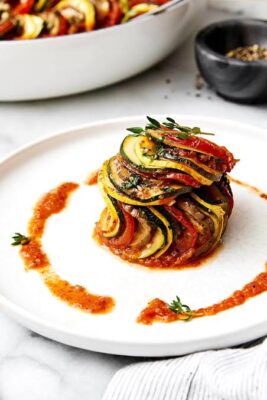
Arrange thinly sliced zucchini, eggplant, peppers, and tomatoes in a spiral pattern (like in the Pixar film). Drizzle with olive oil and bake until tender. This version is as beautiful as it is tasty.
Rustic Ratatouille Stew
Cook all vegetables together in a Dutch oven for a chunkier, heartier texture—perfect for cold evenings.
Ratatouille with Protein
Add chickpeas, lentils, or even chicken for a more filling meal.
Ratatouille Pasta
Toss roasted vegetables with pasta and Parmesan for a Mediterranean twist.
These creative takes show why mastering the art of ratatouille recipe today is worth it—it’s endlessly versatile.
Practical Tips for Success
Use Seasonal Vegetables
Ratatouille tastes best when made with summer produce. Fresh, ripe vegetables ensure maximum flavor.
Don’t Skip the Olive Oil
It enhances flavor and helps vegetables caramelize. Use high-quality extra-virgin olive oil for authentic results.
Cook Vegetables Separately
This step prevents sogginess and allows each vegetable to keep its unique texture and taste.
Let It Rest
Ratatouille actually improves with time. Letting it sit for a few hours—or even overnight—allows the flavors to meld beautifully.
Add Fresh Herbs at the End
Basil, parsley, or thyme added at the finish give brightness and aroma.
Pairing Ratatouille with Other Dishes
Ratatouille is versatile and pairs well with many meals:
With Crusty Bread: Serve with baguette slices to soak up the rich sauce.
Over Rice or Quinoa: A simple yet hearty vegetarian dinner.
Alongside Meat or Fish: Complements grilled chicken, lamb, or salmon perfectly.
As a Pizza Topping: Spread over dough with mozzarella for a French-Italian fusion.
Common Mistakes to Avoid
Overcooking Vegetables: They should be tender, not mushy.
Skipping Seasoning: Herbs and spices are essential for flavor.
Cooking Too Quickly: Low and slow simmering allows the flavors to develop fully.
Using Unripe Tomatoes: They can make the dish sour—opt for ripe or canned.
Avoiding these mistakes ensures your ratatouille is flavorful and satisfying every time.
Why You Should Master This Recipe
Healthy & Nutritious: Packed with vitamins, fiber, and antioxidants.
Budget-Friendly: Uses seasonal, affordable vegetables.
Elegant Yet Simple: Perfect for casual dinners or formal gatherings.
Vegetarian-Friendly: Naturally plant-based, but appealing to all diets.
These reasons prove why so many people are falling in love with this dish and why you should master the art of ratatouille recipe today!
Conclusion
Ratatouille is more than just a vegetable stew—it’s a celebration of seasonal produce, simple cooking, and French culinary tradition. With its colorful presentation, comforting aroma, and delicious taste, this dish deserves a place in your cooking repertoire.
By following this guide, experimenting with variations, and using fresh ingredients, you’ll soon be able to proudly say you’ve mastered the art of ratatouille recipe today! Whether you serve it with bread, pasta, or as a main dish, ratatouille will delight your taste buds and impress your family and friends.
So, grab your vegetables, heat up the olive oil, and get cooking—your journey to mastering ratatouille starts now.