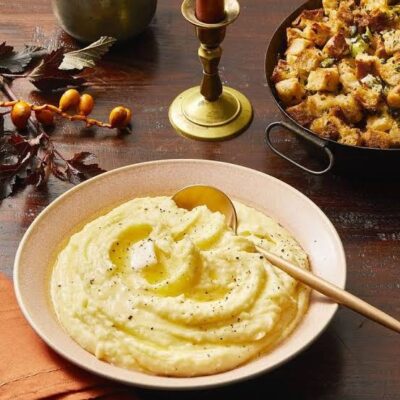
Few side dishes can compete with the creamy, buttery goodness of mashed potatoes. They’re a staple in households across the United States, the United Kingdom, and Canada—appearing at family dinners, festive holiday spreads, and even casual weeknight meals. But achieving that perfect texture and flavor can feel tricky. Lumpy, gluey, or bland mashed potatoes are a common frustration.
That’s why today we’re diving into how to master the art of mashed potatoes recipe today! With a few essential tips and techniques, you’ll learn how to transform humble potatoes into a smooth, flavorful masterpiece every single time.
Choosing the Right Potatoes
The type of potato you choose sets the foundation for great mashed potatoes.
Russet potatoes (Idaho potatoes): High in starch, fluffy texture—perfect for creamy results.
Yukon Gold potatoes: Naturally buttery, golden, and slightly less starchy, great for rich flavor.
Red potatoes: Lower in starch, making them better for chunky “rustic” mashed potatoes.
👉 Pro tip: For the ultimate mash, mix Russets and Yukon Golds for both fluffiness and flavor.
Preparing the Potatoes
Peel (or not) – Traditional creamy mashed potatoes call for peeling, but leaving skins on adds texture and nutrients.
Cut evenly – Chop potatoes into even chunks to ensure uniform cooking.
Start in cold water – Always place potatoes in cold water before boiling. This helps them cook evenly from the inside out.
Cooking the Potatoes
Place potatoes in a large pot with salted water.
Bring to a boil, then reduce to a simmer.
Cook for 15–20 minutes, until fork-tender.
Drain well to prevent watery mash.
Mashing Techniques
How you mash determines the texture:
Potato masher – For classic, slightly rustic mashed potatoes.
Ricer or food mill – For ultra-smooth, lump-free results.
Electric mixer – Use sparingly; overmixing can make potatoes gluey.
The Flavor Boosters
This is where you master the art of mashed potatoes recipe today! The right add-ins make all the difference.
Butter – Unsalted butter is best; add plenty for richness.
Cream or milk – Warm before adding to avoid cooling the potatoes.
Salt and pepper – Season generously.
Garlic – Roasted or sautéed garlic brings depth.
Herbs – Chives, parsley, or rosemary for freshness.
Cheese – Parmesan, cheddar, or cream cheese for extra indulgence.
Practical Tips for Perfect Mashed Potatoes
Warm your dairy – Cold milk or cream makes potatoes stiff.
Mash while hot – Potatoes become gummy if mashed after cooling.
Don’t skimp on seasoning – Potatoes soak up salt; taste as you go.
Add butter first – Mix in butter before cream for better absorption.
Avoid overworking – The more you stir, the gummier the potatoes become.
Variations You’ll Love
Garlic Mashed Potatoes – Infuse milk with garlic or mash roasted garlic directly in.
Cheesy Mashed Potatoes – Stir in shredded cheddar or Gruyère.
Cream Cheese Mashed Potatoes – Tangy, creamy, and decadent.
Herbed Mashed Potatoes – Mix in fresh chives, parsley, or thyme.
Vegan Mashed Potatoes – Use olive oil or dairy-free butter with plant-based milk.
Serving Ideas
Mashed potatoes aren’t just for Thanksgiving—they pair beautifully with many meals:
Roast chicken, turkey, or beef
Grilled salmon or cod
Vegetarian stews or lentil loaf
Holiday feasts alongside stuffing and gravy
Conclusion
If you’ve ever wondered how to turn simple potatoes into a dish that steals the show, now you know. By choosing the right potatoes, using smart cooking techniques, and adding flavor boosters, you can master the art of mashed potatoes recipe today! Whether you prefer them smooth and silky or chunky and rustic, homemade mashed potatoes can always be tailored to your taste.
So grab your potatoes, butter, and cream, and transform your next dinner into something extraordinary—because perfect mashed potatoes are only a few steps away!