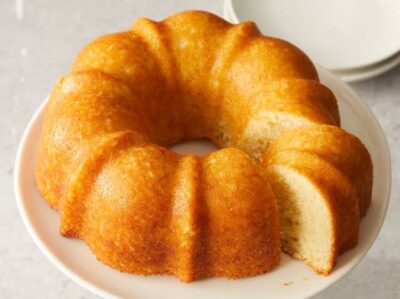
Few desserts capture the essence of comfort and indulgence quite like a butter cake. With its rich flavor, golden crumb, and melt-in-your-mouth texture, butter cake has earned a permanent place in kitchens across the United States, United Kingdom, and Canada. Whether you’re an experienced baker or just starting your baking journey, learning how to make the perfect butter cake is a skill worth mastering.
This article will guide you step by step to Master the art of butter cake recipe today! You’ll learn about the essential ingredients, methods, variations, and practical tips to ensure success every time. From classic vanilla butter cake to lemon twists and chocolate swirls, this guide covers it all—so you can bake with confidence and creativity.
What Makes Butter Cake Special?
Butter cake is often compared to sponge or pound cakes, but it has its own identity. Unlike sponge cakes, which rely on whipped eggs for lift, butter cakes use the creaming method of beating butter and sugar to create a soft, moist crumb. Compared to pound cake, butter cake is lighter yet still rich and flavorful.
The secret lies in its balance of butter, sugar, flour, and eggs, which creates that iconic tender texture. If you want to Master the art of butter cake recipe today!, understanding this balance is the first step.
Essential Ingredients for Butter Cake
Butter
The star of the show. Use unsalted butter for control over flavor and salt content. Ensure it’s at room temperature for proper creaming.
Sugar
Granulated white sugar works best, though light brown sugar can add a hint of caramel flavor.
Eggs
Provide structure and richness. Add them one at a time for the best texture.
Flour
All-purpose flour works for most recipes. Cake flour creates an even lighter, finer crumb.
Leavening Agents
Baking powder (and sometimes a little baking soda) helps the cake rise.
Milk
Adds moisture and creates a silky batter. Whole milk or buttermilk is ideal.
Flavorings
Vanilla extract is classic, but lemon zest, almond extract, or cocoa powder offer delightful variations.
Step-by-Step Method: Master the Art of Butter Cake Recipe Today!
Step 1: Preheat and Prepare
Preheat oven to 350°F (175°C).
Grease and line your cake tin with parchment paper.
Step 2: Cream the Butter and Sugar
Beat butter and sugar together until pale and fluffy. This traps air and gives your cake lift.
Step 3: Add the Eggs
Add eggs one at a time, beating well after each addition. Scrape the bowl to ensure even mixing.
Step 4: Combine Dry and Wet Ingredients
In a separate bowl, whisk flour, baking powder, and salt.
Alternate adding dry ingredients with milk, beginning and ending with flour. Mix gently until just combined.
Step 5: Add Flavorings
Stir in vanilla extract or your chosen flavor.
Step 6: Bake
Pour batter into the prepared pan.
Bake for 30–40 minutes, depending on the pan size, until a skewer inserted comes out clean.
Step 7: Cool and Serve
Let the cake cool in the pan for 10 minutes, then transfer to a wire rack.
Serve plain, dusted with sugar, or frosted.
Delicious Variations of Butter Cake
Classic Vanilla Butter Cake
A timeless favorite, perfect with a cup of tea or coffee.
Lemon Butter Cake
Add lemon zest and juice to the batter for a zesty twist.
Chocolate Marble Butter Cake
Swirl cocoa-infused batter into the plain mix for a stunning marbled effect.
Almond Butter Cake
Replace some flour with ground almonds and add almond extract for a nutty flavor.
Layered Butter Cake
Bake multiple layers, then fill with buttercream, jam, or cream cheese frosting for celebrations.
These variations prove why you should Master the art of butter cake recipe today!—the possibilities are endless.
Practical Tips for Perfect Butter Cake
1. Use Room Temperature Ingredients
Butter, eggs, and milk should be at room temperature for a smooth, even batter.
2. Don’t Overmix
Overmixing can make the cake dense. Mix until just combined after adding flour.
3. Measure Accurately
Use a kitchen scale or spoon-and-level method for flour. Too much flour dries out the cake.
4. Test for Doneness
Insert a skewer or toothpick into the center. If it comes out clean or with a few crumbs, the cake is ready.
5. Cool Properly
Cool on a wire rack to prevent a soggy base.
6. Store Correctly
Keep the cake in an airtight container at room temperature for up to 3 days, or refrigerate for longer freshness.
Serving Ideas for Butter Cake
With Tea or Coffee: A simple slice makes a perfect afternoon treat.
Fresh Fruit: Top with strawberries, blueberries, or peaches for a lighter option.
Frosted: Buttercream, whipped cream, or cream cheese frosting make it more indulgent.
Layered Dessert: Serve with custard or ice cream for an extra-special finish.
Common Mistakes to Avoid
Cold Butter: Makes it impossible to cream properly.
Too Much Flour: Leads to a heavy, dry cake.
Opening the Oven Door Too Early: Causes cakes to sink.
Skipping the Lining: Butter cake can stick; parchment paper prevents this.
Avoiding these mistakes ensures you’ll Master the art of butter cake recipe today! with confidence.
Why This Recipe Works Across Borders
Butter cake’s appeal spans cultures. In the United States, it’s a popular birthday and potluck dessert. In the United Kingdom, it’s a teatime staple. In Canada, it often appears at family gatherings and holidays. Its simplicity, versatility, and universal appeal make it beloved everywhere.
Conclusion
Butter cake may be simple, but it’s also one of the most rewarding cakes to bake. With its rich buttery flavor, tender crumb, and endless variations, it’s a dessert that never goes out of style. Whether you enjoy it plain with tea, dressed up with frosting, or transformed into a layered masterpiece, it always delivers comfort and joy.
Now it’s your turn to Master the art of butter cake recipe today! Follow the steps, apply the tips, and soon you’ll be baking a cake that rivals those of professional bakers. The best part? Each slice will carry the flavor of your effort and creativity, making it all the more delicious.