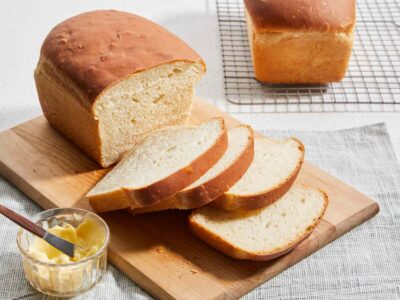
There’s nothing quite like the smell of freshly baked bread wafting through your kitchen. Soft, fluffy, and golden on the outside, homemade white bread is a comforting classic that everyone loves. If you’ve been searching for a foolproof recipe, this guide will show you how to make the best white bread recipe ever! perfect for any occasion, whether it’s a family breakfast, sandwiches, or just a cozy snack.
This recipe is suitable for bakers in the United States, United Kingdom, and Canada, offering tips for both beginners and seasoned home cooks.
Why Homemade White Bread Is So Special
Homemade white bread has advantages that store-bought loaves simply can’t match:
Freshness: Enjoy warm, soft slices straight from the oven.
Control Over Ingredients: Avoid preservatives and additives found in commercial bread.
Customization: Adjust flavor, texture, or size to suit your preference.
Satisfying Process: Baking bread at home is a therapeutic and rewarding experience.
Fun Fact: The earliest forms of white bread were made from finely milled wheat flour, prized for its soft texture and mild flavor.
Ingredients You’ll Need
To make the best white bread recipe, gather these simple ingredients:
4 cups all-purpose flour or bread flour
1 packet (2 1/4 tsp) active dry yeast
1 1/2 cups warm water (105–110°F / 40–43°C)
2 tablespoons sugar
1 teaspoon salt
2 tablespoons unsalted butter, melted (plus extra for greasing)
Tip: Use filtered water if possible, as chlorine in tap water can affect yeast performance.
Step-by-Step Instructions
H2: Step 1 – Activate the Yeast
In a small bowl, combine warm water and sugar.
Sprinkle the yeast over the water and let it sit for 5–10 minutes until foamy.
Quick Tip: Foamy yeast ensures your bread rises properly. If it doesn’t foam, start over with fresh yeast.
H2: Step 2 – Prepare the Dough
In a large mixing bowl, combine flour and salt.
Add the yeast mixture and melted butter.
Mix until a sticky dough forms, then knead for 8–10 minutes until smooth and elastic.
H2: Step 3 – First Rise
Grease a large bowl with butter or oil.
Place the dough in the bowl, cover with a clean cloth, and let it rise in a warm area for 1–2 hours, or until doubled in size.
H2: Step 4 – Shape the Loaf
Punch down the dough gently to release air bubbles.
Shape into a loaf and place in a greased 9×5-inch loaf pan.
Cover and let rise for another 30–45 minutes.
H2: Step 5 – Bake the Bread
Preheat the oven to 375°F (190°C).
Bake for 30–35 minutes, or until the top is golden brown and the loaf sounds hollow when tapped.
Remove from the pan and cool on a wire rack.
Practical Tip: Brush the top with melted butter immediately after baking for a soft, flavorful crust.
Practical Tips for Perfect White Bread
Measure Flour Correctly: Use a kitchen scale or spoon-and-level method to avoid dense bread.
Kneading Matters: Proper kneading develops gluten, giving the bread its soft, chewy texture.
Temperature Control: Keep water warm but not hot to activate yeast without killing it.
Avoid Drafts During Rising: A warm, draft-free space ensures even rising.
Check for Doneness: Use a thermometer—internal temperature should be around 190–200°F (88–93°C).
Variations to Try
Garlic and Herb White Bread: Add minced garlic and fresh herbs to the dough for savory flavor.
Milk-Enriched Bread: Replace water with milk for a richer, softer loaf.
Honey White Bread: Substitute sugar with honey for a slightly sweet, golden crust.
Seeded White Bread: Add sunflower seeds, sesame, or poppy seeds to the dough or top.
Pro Tip: Customize your loaf to your taste, but maintain proper yeast and flour ratios for best results.
Serving Suggestions
Toast slices for breakfast with butter, jam, or avocado.
Make hearty sandwiches with your favorite fillings.
Serve warm with soups, stews, or salads.
Use leftover slices for homemade croutons or bread pudding.
Tip: Store bread in a bread box or airtight container to maintain softness for 2–3 days, or freeze slices for longer storage.
Common Mistakes to Avoid
Using water that’s too hot or too cold for yeast activation.
Adding too much flour, making the dough dense.
Not allowing the dough to rise fully.
Overbaking, resulting in a dry loaf.
Skipping kneading, which affects texture and elasticity.
Practical Tip: Patience is key—allowing proper rises makes a significant difference in flavor and texture.
Why This Recipe Works
This best white bread recipe succeeds because it:
Uses simple, pantry-friendly ingredients.
Produces a soft, fluffy, and flavorful loaf.
Can be easily customized for different tastes and occasions.
Offers consistent results for beginners and experienced bakers alike.
Whether for sandwiches, toast, or simply enjoying warm slices fresh from the oven, this recipe guarantees a homemade bread experience you’ll love.
Conclusion
Making homemade bread is a satisfying and rewarding process. By following this make the best white bread recipe ever!, you’ll achieve a golden, soft, and flavorful loaf every time.
From activating yeast and kneading the dough to shaping, rising, and baking, each step contributes to a perfect homemade bread that’s far superior to store-bought alternatives. With practical tips, optional variations, and serving suggestions, you can enjoy fresh, delicious white bread anytime.
Start baking today and savor the comfort and warmth of your very own homemade bread—your kitchen will smell amazing, and every slice will taste like a labor of love.