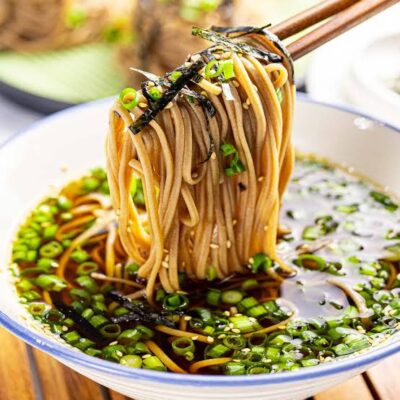
Soba noodles are a Japanese culinary treasure—nutty, chewy, and incredibly versatile. Made from buckwheat flour, soba noodles are celebrated for their flavor, texture, and nutritional benefits. Whether served hot in a comforting broth or chilled with a refreshing dipping sauce, learning how to make the best soba noodle recipe ever! opens the door to endless delicious possibilities in your kitchen.
In this guide, you’ll discover step-by-step instructions, practical tips, flavor variations, and expert tricks to elevate your soba noodle dishes every time.
What Are Soba Noodles?
Soba noodles are thin Japanese noodles primarily made from buckwheat flour, sometimes mixed with wheat flour for better texture. They are traditionally enjoyed in both hot soups and cold dishes, making them suitable for every season.
Key characteristics:
Nutty, earthy flavor
Chewy texture
High in protein and fiber compared to wheat noodles
Naturally gluten-free if made with 100% buckwheat
Learning to make the best soba noodle recipe ever! is about balancing texture, flavor, and sauce.
Why Soba Noodles Are Worth Mastering
Soba noodles aren’t just tasty—they’re versatile and healthy:
Quick to cook (usually 4–6 minutes)
Perfect for hot or cold dishes
Adaptable to vegetarian, vegan, or protein-rich meals
Ideal for quick weeknight dinners or elegant entertaining
When prepared properly, they transform simple ingredients into a restaurant-quality dish.
Ingredients for the Perfect Soba Noodle Dish
Noodles
8 oz (225 g) soba noodles (buckwheat or mixed flour)
Sauce (Mentsuyu-Inspired)
¼ cup soy sauce
¼ cup mirin
2 tablespoons sake (optional)
1 tablespoon sugar or honey
1 cup dashi broth or vegetable broth
Optional Toppings and Add-Ins
Sliced green onions
Shredded nori (seaweed)
Sesame seeds
Soft-boiled or poached egg
Cooked chicken, tofu, shrimp, or vegetables
With these ingredients, you can make the best soba noodle recipe ever! that’s flavorful, balanced, and customizable.
Step-by-Step Guide to Cooking Soba Noodles
Step 1: Boil the Noodles
Bring a large pot of water to a boil.
Add soba noodles and cook for 4–6 minutes until tender but still firm.
Stir occasionally to prevent sticking.
Tip: Avoid overcooking—overly soft noodles lose their chewy texture.
Step 2: Rinse and Cool
Drain noodles in a colander.
Rinse under cold running water to remove starch.
Drain well and set aside.
Rinsing is essential to prevent clumping and maintain a smooth, nutty flavor.
Step 3: Prepare the Sauce
In a small saucepan, combine soy sauce, mirin, sake, sugar, and dashi broth.
Heat gently and stir until sugar dissolves.
Taste and adjust seasoning as needed.
This sauce forms the flavor backbone for your best soba noodle recipe ever!
Step 4: Combine Noodles and Sauce
Hot Soba
Warm noodles and pour sauce over them.
Toss gently to coat evenly.
Serve immediately with toppings.
Cold Soba (Zaru Soba)
Chill noodles in ice water for a refreshing dish.
Serve on a bamboo mat or plate with dipping sauce on the side.
Both methods highlight the natural flavor and texture of the noodles.
Delicious Toppings and Flavor Enhancements
Enhancing soba noodles with toppings adds texture and visual appeal:
Egg: Soft-boiled or poached
Vegetables: Sautéed mushrooms, spinach, carrots
Protein: Grilled chicken, tofu, shrimp
Garnishes: Chopped green onions, sesame seeds, nori strips
These small additions elevate your dish and help you make the best soba noodle recipe ever!
Practical Tips for Perfect Soba Noodles
Cook in plenty of water to avoid sticking.
Rinse thoroughly under cold water after cooking.
Serve immediately—soba noodles are best fresh.
Adjust sauce flavor to balance saltiness, sweetness, and umami.
Experiment with toppings to keep dishes interesting.
Following these tips guarantees consistent results every time.
Soba Noodle Variations to Try
Hot Soba Soup
Use miso, dashi, or vegetable broth.
Add seasonal vegetables, tofu, or chicken.
Cold Soba with Dipping Sauce
Perfect for summer meals.
Serve with soy-mirin dipping sauce, wasabi, and sliced green onions.
Stir-Fried Soba
Quickly fry noodles with vegetables, garlic, ginger, and soy sauce for a simple, one-pan meal.
Each variation shows the versatility that lets you make the best soba noodle recipe ever! for any occasion.
Common Mistakes to Avoid
Overcooking noodles
Not rinsing, leaving excess starch
Using a too-strong or too-sweet sauce
Serving noodles that have cooled unintentionally
Neglecting garnishes for flavor and texture
Avoiding these errors ensures your soba noodles are perfectly textured and flavorful.
Health Benefits of Soba Noodles
High in protein and fiber
Gluten-free if 100% buckwheat
Low-fat and low-calorie
Rich in manganese and magnesium
These benefits make soba noodles a nutritious choice for lunch, dinner, or even meal prep.
Why Homemade Soba Noodles Taste Better
Homemade or high-quality store-bought soba noodles have:
A richer, nuttier flavor
Better texture than instant noodles
Freedom to control sauce, seasoning, and toppings
This is why you’ll notice a difference when you make the best soba noodle recipe ever!
Serving Suggestions
Pair with pickled vegetables or kimchi
Serve alongside tempura for a complete Japanese meal
Top with fresh herbs like cilantro or shiso for extra flavor
Soba noodles work for both casual meals and elegant dinner presentations.
Conclusion
Soba noodles are a versatile, nutritious, and delicious addition to any kitchen. With proper cooking, balanced sauce, and thoughtful toppings, you can make the best soba noodle recipe ever! that rivals your favorite Japanese restaurants.
Whether you prefer hot noodle soups in winter or chilled zaru soba in summer, mastering soba noodles is rewarding, flavorful, and surprisingly easy. By following these steps, tips, and variations, you’ll enjoy a dish that’s chewy, nutty, aromatic, and endlessly satisfying.
Grab your buckwheat noodles, assemble your sauce, and discover why soba noodles are a culinary staple that everyone should know how to make. 🍜✨