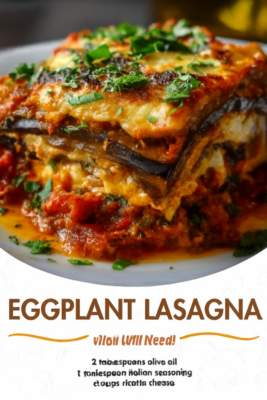
Lasagna is one of the most beloved comfort foods, known for its rich layers of pasta, cheese, and hearty sauce. However, if you’re looking for a healthier twist on this classic dish, eggplant lasagna is a perfect alternative. This vegetable-packed version replaces traditional pasta with thin slices of eggplant, offering a lower-carb, gluten-free option without compromising on flavor.
In this article, we’ll walk you through how to make eggplant lasagna, explore the benefits of using eggplant in place of pasta, and provide practical tips for preparing this delicious dish that everyone will love. Whether you’re following a low-carb diet, trying to reduce your gluten intake, or simply looking to eat more vegetables, this recipe is a must-try.
Why Choose Eggplant Lasagna?
Eggplant lasagna is an excellent alternative to traditional lasagna for several reasons:
1. Lower in Carbs
By replacing pasta with eggplant, this dish reduces the carb content significantly, making it an excellent choice for people on low-carb or keto diets. Eggplants are naturally low in carbohydrates, making them a great substitute without sacrificing texture or taste.
2. Gluten-Free
For those with gluten sensitivities or celiac disease, eggplant lasagna is the perfect gluten-free meal. Eggplant slices act as the perfect stand-in for pasta sheets, allowing you to enjoy a lasagna that’s completely free from gluten.
3. Packed with Nutrients
Eggplants are rich in vitamins, minerals, and antioxidants, including fiber, vitamin C, and potassium. They also contain compounds that may have anti-inflammatory and heart-protective benefits. Incorporating eggplant into your lasagna not only adds flavor but also boosts the nutritional value of your meal.
4. Great for Vegetarians and Vegans
Eggplant lasagna can easily be adapted for vegetarians and vegans by using plant-based cheese alternatives and eliminating meat from the sauce. This makes it a satisfying meal for those following plant-based diets.
Ingredients for Eggplant Lasagna
Here’s what you’ll need to make a delicious eggplant lasagna:
For the Eggplant:
2 medium eggplants, sliced into 1/4-inch thick rounds (about 12-14 slices)
Olive oil (for brushing)
Salt (for drawing out moisture from the eggplant)
For the Meat Sauce (or Vegan Option):
1 tablespoon olive oil
1 onion, finely chopped
2 cloves garlic, minced
1 lb ground beef (or ground turkey for a leaner option, or crumbled tempeh for a vegan version)
1 can (14 oz) crushed tomatoes
1 can (6 oz) tomato paste
1 teaspoon dried basil
1 teaspoon dried oregano
1/2 teaspoon salt
1/4 teaspoon black pepper
1 teaspoon sugar (optional, to balance the acidity of the tomatoes)
For the Ricotta Cheese Filling:
1 1/2 cups ricotta cheese
1 1/2 cups shredded mozzarella cheese
1/2 cup grated Parmesan cheese
1 large egg
2 tablespoons chopped fresh basil or parsley
Salt and pepper to taste
For Topping:
1 cup shredded mozzarella cheese
Step-by-Step Instructions for Eggplant Lasagna
Step 1: Prepare the Eggplant
Eggplant slices have a tendency to release moisture, which can make your lasagna soggy. To prevent this, salt the eggplant slices. Lay the eggplant slices out in a single layer on a baking sheet or large platter, sprinkle them with salt, and let them sit for about 30 minutes. The salt will help draw out excess moisture.
After 30 minutes, pat the eggplant slices dry with a clean towel or paper towels to remove the moisture and salt. Brush both sides of the eggplant slices with olive oil and bake at 400°F (200°C) for about 15 minutes on each side or until they’re golden brown and tender.
Step 2: Make the Meat Sauce (or Vegan Sauce)
While the eggplant is baking, prepare the sauce. Heat olive oil in a large skillet over medium heat. Add the chopped onion and garlic, and cook until softened, about 5 minutes.
Add the ground beef (or turkey or crumbled tempeh) and cook until browned. Break up the meat into smaller pieces as it cooks.
Once the meat is browned, add the crushed tomatoes, tomato paste, basil, oregano, salt, pepper, and sugar (if using). Stir well to combine, and let the sauce simmer for 15-20 minutes, stirring occasionally, until thickened and flavorful.
Step 3: Prepare the Ricotta Filling
In a medium bowl, combine the ricotta cheese, mozzarella cheese, Parmesan cheese, and egg. Add the fresh basil or parsley and season with salt and pepper to taste. Mix everything together until smooth and creamy.
Step 4: Assemble the Lasagna
Once the eggplant slices are baked and the sauce is ready, it’s time to assemble the lasagna.
Spread a layer of sauce at the bottom of a 9×13-inch baking dish.
Place a layer of eggplant slices over the sauce, covering the surface.
Spread a layer of ricotta mixture over the eggplant.
Add another layer of sauce over the ricotta, followed by another layer of eggplant slices.
Repeat the layers until you run out of ingredients, finishing with a layer of sauce on top.
Top the lasagna with shredded mozzarella cheese.
Step 5: Bake the Lasagna
Cover the baking dish with aluminum foil and bake at 375°F (190°C) for 25 minutes. After 25 minutes, remove the foil and bake for an additional 10-15 minutes, or until the top is golden and bubbly.
Let the lasagna rest for 10-15 minutes before slicing. This will help the layers set and make it easier to serve.
Practical Tips for the Perfect Eggplant Lasagna
Use Thin Slices of Eggplant: Make sure to slice your eggplant thinly for the perfect texture. Thick slices can make the lasagna too heavy and hard to cut through.
Roast the Eggplant for Flavor: Roasting the eggplant slices enhances their flavor and texture, making them tender but still firm enough to hold up in the lasagna.
Add Extra Vegetables: If you want to sneak in more veggies, add spinach, zucchini, or bell peppers to the sauce or layer them between the eggplant slices.
Make It Ahead: Eggplant lasagna can be made ahead of time. Assemble it and refrigerate for up to a day before baking. This gives the flavors more time to meld together and makes it even more flavorful.
Use Store-Bought Sauce: If you’re short on time, use store-bought marinara sauce for a quicker preparation. Just make sure to choose a high-quality sauce without added sugar or preservatives.
Variations of Eggplant Lasagna
While the traditional version of eggplant lasagna uses ricotta and mozzarella cheese, there are plenty of variations you can try to suit your preferences.
1. Vegan Eggplant Lasagna
To make a vegan version of eggplant lasagna, simply substitute the ricotta and mozzarella cheeses with dairy-free alternatives, such as cashew cream or vegan ricotta. Use a plant-based protein like lentils or tempeh in place of ground meat for the sauce.
2. Low-Carb or Keto Eggplant Lasagna
If you’re following a keto diet, this recipe is already a great choice, as eggplant is naturally low in carbs. Just make sure to use a low-sugar marinara sauce and opt for full-fat cheese to keep the dish in line with your dietary needs.
3. Spicy Eggplant Lasagna
Add a little heat to your lasagna by incorporating red pepper flakes or diced jalapeños into the sauce. You can also add a few slices of spicy pepperoni or sausage for an extra kick.
4. Gluten-Free Eggplant Lasagna
This recipe is naturally gluten-free, making it perfect for those with gluten sensitivities. Just be sure to double-check the ingredients in any pre-made sauces or cheeses you use to ensure they are gluten-free.
Conclusion: Eggplant Lasagna – A Healthy, Delicious Alternative
Eggplant lasagna is a flavorful, nutritious, and versatile dish that brings all the comfort of traditional lasagna without the carbs or gluten. By replacing pasta with eggplant, this recipe creates a lighter, healthier version of the classic dish that’s packed with vegetables, protein, and rich flavors.
Whether you’re following a low-carb diet, trying to reduce gluten, or simply want to enjoy a healthier lasagna, eggplant lasagna is the perfect alternative. With a few simple swaps and some creative additions, you can make this dish your own and enjoy a wholesome, satisfying meal.