Miso soup is more than just a starter in Japanese cuisine—it’s a warm, comforting, and nutritious dish that has won hearts worldwide. With its rich umami flavor, simple ingredients, and health benefits, it’s no surprise that people across the United States, United Kingdom, and Canada are eager to learn the secret to miso soup recipe.
Whether you’re a beginner cook or a seasoned foodie, this guide will reveal the essential ingredients, step-by-step instructions, practical tips, and variations to help you master miso soup at home.
What Is Miso Soup?
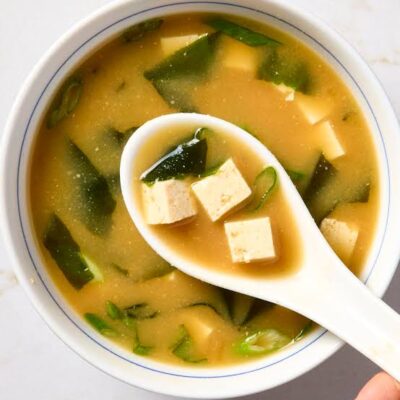
Miso soup is a traditional Japanese soup made from miso paste (fermented soybean paste) combined with dashi, a savory broth typically made from seaweed and fish flakes. Often served with tofu, seaweed, and green onions, miso soup is enjoyed for its simplicity, flavor, and digestive benefits.
The beauty of a miso soup recipe lies in its balance of flavors: the salty depth of miso, the umami richness of dashi, and the fresh crunch of vegetables or tofu.
Key Ingredients for Authentic Miso Soup
H2: Essential Components
Miso paste – white (shiromiso) or red (akamiso) depending on flavor preference
Dashi stock – made from kombu (seaweed) and bonito flakes or vegetarian alternatives
Tofu – soft or silken tofu adds creaminess and protein
Seaweed – wakame is traditional
Green onions – sliced for freshness and color
Optional additions: mushrooms, spinach, daikon radish, or enoki mushrooms to enhance flavor and texture.
Step-by-Step Miso Soup Recipe
H2: Step 1 – Prepare the Dashi Stock
Soak kombu seaweed in water for at least 30 minutes.
Heat water with kombu until just before boiling, then remove kombu.
Add bonito flakes and simmer for a few minutes. Strain to get clear, flavorful dashi.
For a vegetarian version, skip bonito flakes and use mushroom or kelp stock.
H2: Step 2 – Add Tofu and Seaweed
Cut tofu into small cubes and add to the hot dashi.
Add dried wakame seaweed; it will rehydrate in a few minutes.
H2: Step 3 – Incorporate Miso Paste
Take a small bowl and dissolve 2–3 tablespoons of miso paste with some hot dashi.
Stir the miso mixture back into the soup; do not boil once miso is added, as high heat destroys delicate flavors and probiotics.
H2: Step 4 – Finish with Green Onions
Add sliced green onions just before serving for freshness, aroma, and a pop of color.
Practical Tips for the Perfect Miso Soup
Do not boil after adding miso – preserves flavor and nutrients
Adjust miso to taste – start with 1–2 tablespoons and increase gradually
Use high-quality miso paste – flavor varies by brand and type
Soak seaweed properly – prevents toughness and enhances texture
Experiment with additions – mushrooms, spinach, or thinly sliced vegetables can make it heartier
Variations to Try
White Miso Soup (Shiro Miso)
Milder and slightly sweet, ideal for beginners.
Red Miso Soup (Aka Miso)
Stronger, saltier, and richer—perfect for colder days.
Tofu and Mushroom Miso Soup
Add enoki or shiitake mushrooms for extra umami and texture.
Quick Miso Soup
Use instant dashi granules and soft tofu for a fast 10-minute version.
Health Benefits of Miso Soup
Rich in probiotics – promotes gut health
High in protein – tofu provides plant-based protein
Low calorie, nutrient-dense – great as a light meal or appetizer
Supports immunity – fermented miso has antioxidants and vitamins
This makes miso soup not only delicious but also a functional food that nourishes your body.
Why Everyone Loves Miso Soup
Miso soup is beloved for its versatility, comforting warmth, and umami-rich flavor. Whether enjoyed as a starter in a traditional Japanese meal, a quick weekday lunch, or a soothing snack, the simplicity of the miso soup recipe makes it accessible for home cooks while still feeling special.
It’s also easy to customize: add your favorite vegetables, try different miso pastes, or adjust salt levels to suit your taste.
Conclusion
The secret to miso soup recipe lies in quality ingredients, careful preparation, and understanding the balance of umami flavors. By mastering the basics—dashi stock, miso paste, tofu, and seaweed—you can create a comforting, flavorful soup that rivals any restaurant.
Perfect for beginners and seasoned cooks alike, miso soup is a delicious, healthy, and versatile dish to enjoy year-round. With these tips and variations, you’ll be able to prepare authentic miso soup at home and delight your family, friends, or even yourself with each warm, nourishing bowl. 🍲✨