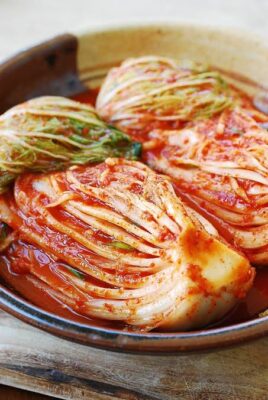
Kimchi is a staple of Korean cuisine — a tangy, spicy, and crunchy fermented dish that’s as flavorful as it is healthy. Packed with probiotics, vitamins, and minerals, homemade kimchi is a delicious way to support gut health while enjoying bold, vibrant flavors.
If you’ve ever wanted to try making kimchi at home, this guide will walk you through a simple, easy-to-follow recipe. You’ll learn tips to perfect the fermentation process, variations to suit your taste, and ways to enjoy this delicious kimchi recipe you’ll love!
🌶️ What Is Kimchi?
Kimchi is a traditional Korean side dish made primarily from fermented vegetables, usually napa cabbage or Korean radishes, mixed with flavorful seasonings. Its tangy taste comes from the natural fermentation process, which also produces beneficial probiotics.
Kimchi can be:
Spicy: With chili flakes and garlic.
Mild: With a lighter seasoning for those new to fermented foods.
Sweet & Savory: Balancing sugar, ginger, and fish sauce for a complex flavor.
This delicious kimchi recipe gives you that authentic taste while being approachable for beginners.
🥬 Ingredients You’ll Need
For the Vegetables:
1 medium napa cabbage
1 Korean radish or daikon radish
4–5 green onions
¼ cup sea salt (for brining)
For the Kimchi Paste:
¼ cup Korean chili flakes (gochugaru)
2 tablespoons fish sauce (or soy sauce for vegetarian option)
1 tablespoon sugar
1 tablespoon grated ginger
3–4 cloves garlic, minced
½ small onion, blended (optional for extra flavor)
💡 Tip: Adjust chili flakes based on your spice preference.
🌱 Step 1: Prepare the Cabbage
Cut the cabbage into quarters and remove the core.
Slice into 2-inch pieces.
Sprinkle sea salt between layers, covering all leaves.
Let it sit for 2–3 hours, tossing every 30 minutes.
This step softens the cabbage and draws out excess moisture — essential for proper fermentation.
💡 Pro Tip: Rinse the cabbage thoroughly after brining and squeeze gently to remove extra water.
🌸 Step 2: Prepare the Radish and Green Onions
Peel the radish and cut into matchstick-sized pieces.
Slice green onions into 2-inch segments.
Mix radish and green onions with the brined cabbage.
💡 Tip: The radish adds crunch and sweetness to balance the spice.
🌶️ Step 3: Make the Kimchi Paste
In a bowl, combine gochugaru, fish sauce, sugar, garlic, ginger, and blended onion.
Stir into a smooth paste.
💡 Pro Tip: Taste the paste — it should be bold and flavorful since fermentation will mellow it.
🥬 Step 4: Mix Vegetables with Kimchi Paste
Using gloves, rub the kimchi paste evenly over the cabbage, radish, and green onions.
Make sure every piece is coated for consistent flavor.
💡 Tip: Gloves protect your hands from chili irritation.
🌱 Step 5: Pack into a Jar
Transfer the kimchi mixture into a clean glass jar or airtight container.
Press down to remove air pockets, leaving 1–2 inches at the top for expansion during fermentation.
💡 Tip: Use a clean spoon or spatula to compact the mixture without crushing the vegetables.
🌸 Step 6: Ferment the Kimchi
Leave the jar at room temperature for 1–2 days to start fermentation.
Taste daily — when it reaches your desired tanginess, transfer it to the fridge.
💡 Tip: Fermentation time varies based on temperature. Warmer climates speed up fermentation, cooler ones slow it down.
🌶️ Step 7: Storing and Serving
Refrigeration: Store kimchi in the fridge for up to 2–3 months. Flavor develops over time.
Serving Ideas:
As a side dish with rice and grilled meats
In kimchi fried rice or pancakes
Added to soups for tangy, spicy depth
💡 Pro Tip: Stir kimchi before serving to mix fermented juices for even flavor.
🌿 Variations You Can Try
Vegetarian Kimchi: Replace fish sauce with soy sauce or miso paste.
Spicy Kimchi: Add extra chili flakes or sliced chili peppers.
Sweet Kimchi: Include a small grated apple or pear in the paste for a natural sweetness.
Quick Kimchi: Skip long fermentation and enjoy after a few hours in the fridge.
These variations let you customize your delicious kimchi recipe to suit your taste.
🌸 Practical Tips for Perfect Kimchi
Use fresh vegetables: Crisp cabbage and radish give the best texture.
Keep everything clean: Prevent unwanted bacteria by using clean utensils and jars.
Taste frequently: Adjust fermentation time for preferred sourness.
Store properly: Keep kimchi submerged in its juices to prevent spoilage.
Experiment with flavors: Garlic, ginger, chili, and fish sauce ratios can be tweaked for personal taste.
🥬 Conclusion
Homemade kimchi is flavorful, nutritious, and endlessly versatile. This delicious kimchi recipe you’ll love brings the authentic taste of Korean cuisine to your kitchen while being approachable for beginners.
Whether you enjoy it as a side dish, a cooking ingredient, or a probiotic boost for your diet, kimchi adds depth, spice, and crunch to every meal.
So grab your cabbage, radish, and chili flakes — it’s time to make kimchi that you, your friends, and your family will absolutely love! 🌶️🥬✨