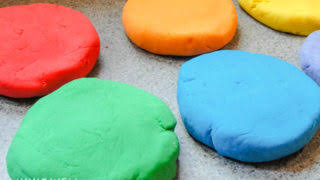
Playdough is more than just a fun kids’ activity—it’s a creative, sensory-rich experience that supports fine motor skills, imagination, and learning. Whether you’re a parent, teacher, or DIY enthusiast, knowing the best tips for a playdough recipe can turn a simple mixture into soft, long-lasting, professional-quality dough.
In this guide, we’ll uncover everything you need to know: from choosing the right ingredients to fixing common mistakes and storing playdough so it lasts for months. By the end, you’ll confidently say you’ve mastered the art of homemade playdough.
🎨 Why Make Homemade Playdough?
Before we dive into tips, let’s talk about why homemade playdough is worth it.
Safe and non-toxic (you control the ingredients)
Cost-effective compared to store-bought versions
Customizable colors, scents, and textures
Quick to make—often under 10 minutes
Educational and fun for kids of all ages
Homemade playdough is especially popular in the United States, United Kingdom, and Canada, where parents and educators value hands-on, creative learning activities.
🧂 Essential Ingredients for a Classic Playdough Recipe
Understanding your ingredients is the first step to success.
Basic Playdough Ingredients
All-purpose flour
Salt
Water
Oil (vegetable or coconut oil)
Cream of tartar (optional but highly recommended)
Food coloring
💡 Why cream of tartar matters: It improves elasticity, softness, and shelf life.
🔍 Uncover the Best Tips for Playdough Recipe Success
🟡 Tip 1: Measure Ingredients Accurately
Playdough is forgiving—but not too forgiving. Too much flour makes it crumbly, while too much water makes it sticky. Use proper measuring cups for consistent results.
🟢 Tip 2: Cooked vs No-Cook Playdough
Cooked playdough lasts longer, feels smoother, and is more elastic
No-cook playdough is faster but dries out sooner
⭐ Best tip: If you want long-lasting playdough, go with the cooked method.
🔵 Tip 3: Add Liquid Slowly
Always add water gradually. This allows you to control the texture and prevents over-wet dough.
If it’s too sticky:
Add flour 1 tablespoon at a time
If it’s too dry:
Add a few drops of water or oil
🔴 Tip 4: Use Oil for Softness
Oil keeps playdough smooth and prevents cracking. Too little oil = stiff dough. Too much = greasy dough.
✔️ Stick to 1–2 tablespoons per batch.
🌈 Coloring and Scenting Like a Pro
🎨 Best Coloring Tips
Gel food coloring creates vibrant colors
Add color to the liquid ingredients for even distribution
Wear gloves to avoid stained hands
🌸 Optional Scents
Vanilla extract for a classic scent
Essential oils (lavender, lemon, peppermint—just a few drops)
Cinnamon or cocoa powder for sensory play
⚠️ Always supervise children when using scented additives.
🧠 Common Playdough Problems (and Easy Fixes)
Dough Is Sticky
Knead in more flour
Let it cool fully if cooked
Dough Is Crumbly
Add oil or a small splash of water
Knead thoroughly
Dough Dries Out Quickly
Add cream of tartar next time
Store properly (see below)
🧺 Storage Tips to Make Playdough Last
Proper storage can extend playdough life from days to months.
Best Storage Practices
Store in airtight containers or zip-top bags
Keep at room temperature (not in sunlight)
Refrigerate only if recipe includes perishable ingredients
⏳ With proper storage, cooked playdough can last 2–3 months or more.
👶 Safety Tips for Kids
Always supervise young children
Use food-grade ingredients only
Avoid small parts for toddlers
Teach kids not to eat playdough (even though it’s non-toxic)
Salt content makes playdough taste unpleasant, which helps discourage eating.
🌟 Creative Playdough Ideas
Once you master the recipe, take playtime to the next level:
Alphabet and number stamping
Shape cutters and rolling pins
Playdough animals and food
Seasonal themes (pumpkins, snowmen, flowers)
Learning colors and textures
These activities support early learning and creativity in a fun, hands-on way.
🏆 Why These Tips Make a Difference
When you truly uncover the best tips for a playdough recipe, you move from “it works” to “this is amazing.” Texture improves, colors pop, dough lasts longer, and kids enjoy it more.
Small details—like adding cream of tartar, cooking the dough properly, and storing it correctly—make a huge difference in quality.
✅ Conclusion
Making playdough at home is simple, affordable, and incredibly rewarding—especially when you know what you’re doing. By following these expert-tested tips, you’ll create soft, smooth, long-lasting playdough that rivals (and often beats) store-bought versions.
Now that you’ve uncovered the best tips for a playdough recipe, you’re ready to create endless hours of creative fun—one colorful batch at a time 🎨