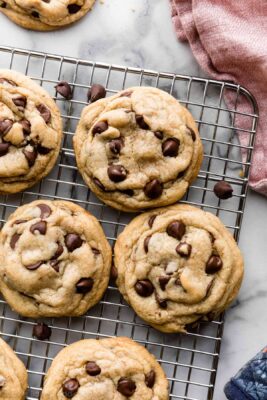
There’s nothing quite like biting into a perfectly baked cookie—crispy at the edges, soft in the center, and packed with flavor. Yet for many home bakers, cookies can be unpredictable: too flat, too dry, or oddly cakey. The good news? Getting perfect cookies every time isn’t about luck. It’s about understanding a few key principles and following a reliable method.
Whether you’re baking for family, friends, or just yourself, this guide will help you master cookies with consistent, bakery-quality results—every single batch.
🧈 The Foundation of Perfect Cookies
Great cookies start before you even turn on the oven.
Use Quality Ingredients
Because cookies have relatively few ingredients, quality matters:
Butter: Use real butter, not margarine
Flour: All-purpose flour works best for most recipes
Sugar: A mix of white and brown sugar gives balance
Eggs: Room temperature eggs blend more evenly
Vanilla extract: Pure vanilla adds depth
Small upgrades here make a big difference in flavor and texture.
⚖️ Measure Correctly (This Is a Game Changer)
One of the biggest secrets to a perfect cookies recipe every time is accurate measuring.
Flour Matters Most
Too much flour = dry, dense cookies.
Best practice:
Spoon flour into the measuring cup
Level it off with a knife
Never scoop directly from the bag
If you bake often, a kitchen scale is a worthwhile investment.
🍬 Understanding Sugar = Better Texture
Different sugars affect cookies in different ways:
White sugar → crispier cookies
Brown sugar → softer, chewier cookies
For most classic cookies (like chocolate chip), a blend of both creates the ideal texture.
🥄 Mixing: Don’t Overdo It
Overmixing is one of the most common cookie mistakes.
Cream Butter and Sugar Properly
Beat just until light and fluffy—this traps air and helps cookies bake evenly.
Stop Mixing After Adding Flour
Once flour goes in, mix only until combined. Overmixing develops gluten, which makes cookies tough instead of tender.
❄️ Chill the Dough (Yes, It’s Worth It)
Chilling cookie dough for 30 minutes to 24 hours:
Prevents cookies from spreading too much
Deepens flavor
Improves texture
If you want thicker, chewier cookies, this step is non-negotiable.
🔥 Oven Temperature: Precision Matters
An oven that’s too hot or too cool can ruin even the best recipe.
Tips for consistent results:
Preheat fully before baking
Bake at the temperature stated (usually 350°F / 175°C)
Use the middle rack
Rotate the tray halfway through baking
An oven thermometer can help if your oven runs hot or cold.
🍪 Shaping and Spacing Cookies Correctly
Use a cookie scoop for uniform size
Space cookies evenly so heat circulates properly
Don’t flatten unless the recipe says to
Even sizing ensures cookies bake at the same rate.
⏱️ Know When Cookies Are Done
Perfect cookies are often slightly underbaked in the center.
Look for:
Set edges
Soft, pale centers
Light golden color (not dark brown)
Cookies continue to cook on the baking sheet after coming out of the oven.
🧠 Pro Tips for Foolproof Cookies
Line baking sheets with parchment paper
Use room-temperature butter unless stated otherwise
Bake one test cookie first
Let cookies cool on the tray for 5 minutes before transferring
These small habits lead to consistently better results.
🧁 Troubleshooting Common Cookie Problems
Cookies spread too much
Butter too warm
Dough not chilled
Too little flour
Cookies are dry
Overbaked
Too much flour
Not enough fat
Cookies are too cakey
Too many eggs
Too much flour
Overmixing
Fixing these issues becomes easy once you know the cause.
🌟 Final Thoughts: Perfect Cookies, Every Single Time
The secret to a perfect cookies recipe every time isn’t a single magic ingredient—it’s a combination of proper measuring, balanced ingredients, gentle mixing, and controlled baking. Once you understand how each step affects the final cookie, baking becomes predictable, enjoyable, and endlessly rewarding.
Whether you love chewy, crispy, or soft cookies, these principles will help you get the results you want—batch after batch.