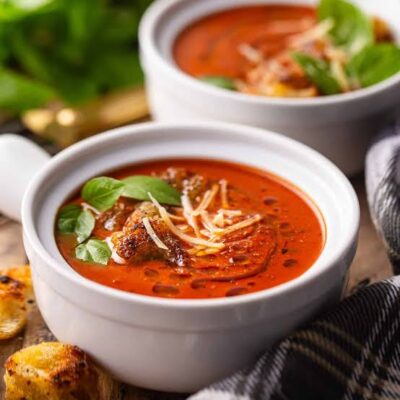
Few dishes are as comforting, timeless, and universally loved as a classic tomato soup. Whether it’s paired with a grilled cheese sandwich on a chilly day or served as a light starter for an elegant meal, tomato soup has a special place in kitchens across the United States, the United Kingdom, and Canada.
Mastering the art of a tomato soup recipe isn’t about complicated techniques—it’s about balance, quality ingredients, and a few simple secrets. Let’s break it down step by step so you can make tomato soup that’s rich, smooth, and full of flavor every single time.
🌿 Why Homemade Tomato Soup Is Worth It
Store-bought tomato soup is convenient, but homemade wins on every level:
Fresher, brighter flavor
Control over sweetness and acidity
No unnecessary preservatives
Easy customization
Once you learn the basics, you’ll never want to go back.
🔑 The Foundation: Choosing the Right Tomatoes
Fresh vs Canned Tomatoes
Both work beautifully—what matters is quality.
Fresh tomatoes (Roma, plum, or vine-ripened) give a lighter, fresher taste
Canned whole or crushed tomatoes offer deep, consistent flavor year-round
👉 Pro tip: If tomatoes aren’t in season, canned tomatoes often taste better than fresh.
🧄 Building Flavor the Right Way
A great tomato soup starts with a flavorful base.
Essential Aromatics
Onion (yellow or white)
Garlic
Olive oil or butter
Sauté gently until soft and fragrant—this creates sweetness and depth without overpowering the tomatoes.
🍲 Master Tomato Soup Recipe (Classic Style)
Basic Ingredients
Tomatoes (fresh or canned)
Onion
Garlic
Olive oil or butter
Vegetable or chicken stock
Salt and black pepper
Optional Flavor Boosters
Fresh basil or thyme
A pinch of sugar (balances acidity)
Cream or milk (for a silky finish)
Red pepper flakes (for subtle heat)
🔥 Cooking Technique: Where the Magic Happens
Sauté aromatics slowly—don’t rush this step
Add tomatoes and stock, then simmer gently
Blend until smooth using an immersion blender or countertop blender
Adjust seasoning after blending—not before
Simmering allows flavors to meld, while blending creates that signature smooth texture.
🥛 Creamy vs Classic Tomato Soup
Classic Tomato Soup
Light, bright, and tomato-forward
Perfect with herbs and olive oil
Creamy Tomato Soup
Rich and velvety
Add cream, half-and-half, or coconut milk
Ideal for pairing with grilled cheese
👉 Add dairy at the end to avoid curdling.
🍞 Perfect Pairings
Tomato soup shines even brighter with the right companion:
Grilled cheese sandwich
Crusty bread or sourdough
Garlic toast
Crackers or cheese straws
These pairings turn a simple soup into a satisfying meal.
🧠 Pro Tips to Master Tomato Soup
Roast tomatoes first for deeper, caramelized flavor
Strain for ultra-smooth soup if you want a restaurant-style texture
Use fresh herbs at the end, not during long cooking
Taste last—acidity changes after blending
Small tweaks make a big difference.
🥗 Health & Nutrition Notes
Tomato soup is naturally:
Rich in antioxidants (like lycopene)
Low in calories
Easy to make vegan or dairy-free
Using olive oil and vegetable stock keeps it light yet satisfying.
🌟 Final Thoughts: Tomato Soup Made Simple and Perfect
To master the art of tomato soup recipe today, focus on quality tomatoes, gentle cooking, and balanced seasoning. Whether you prefer it creamy and comforting or light and classic, tomato soup is one of those recipes that rewards simplicity and care.
Once you’ve mastered the basics, you can customize endlessly—adding herbs, spices, or roasted vegetables to make it your own.