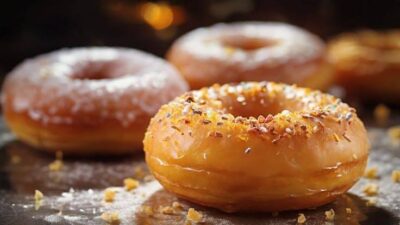
Few treats bring as much instant joy as a perfectly made donut. Soft on the inside, lightly crisp on the outside, and finished with a delicious glaze or topping, donuts are a timeless favorite across the United States, United Kingdom, and Canada. While bakery donuts may seem magical, the truth is that you can recreate that same irresistible taste and texture right in your own kitchen.
If you’ve ever struggled with dense dough, greasy results, or bland flavor, don’t worry—you’re not alone. In this guide, you’ll master the art of donuts recipe today! We’ll cover essential ingredients, step-by-step techniques, common mistakes, expert tips, and creative variations so you can confidently make bakery-quality donuts at home.
Understanding the Basics of Donut Making
What Makes a Perfect Donut?
To truly master the art of donuts recipe today!, you need to understand the balance behind a great donut:
A soft, airy interior
Light golden exterior
Balanced sweetness
Proper frying or baking technique
Whether you prefer classic fried donuts or baked versions, the fundamentals remain the same.
Types of Donuts You Can Make
Yeast donuts: Light, fluffy, and bakery-style
Cake donuts: Dense, tender, and quick to prepare
Baked donuts: Lighter and less oily, great for beginners
Each style has its own charm and technique.
Essential Ingredients for Perfect Donuts
Flour
All-purpose flour works best for most donut recipes. For extra softness, some recipes blend all-purpose with bread flour.
Yeast or Leavening
Yeast donuts rely on active dry yeast for rise and fluffiness
Cake donuts use baking powder or baking soda
Sugar
Sugar adds sweetness and helps with browning. Granulated sugar is standard, while brown sugar adds deeper flavor.
Milk and Eggs
Milk adds moisture and tenderness, while eggs provide structure and richness.
Fat
Butter or oil ensures softness and flavor. For frying, use neutral oils like vegetable or canola oil.
Classic Yeast Donuts Recipe (Step-by-Step)
This recipe will help you master the art of donuts recipe today! with classic, fluffy results.
Ingredients
3½ cups all-purpose flour
2¼ teaspoons active dry yeast
¾ cup warm milk
¼ cup granulated sugar
2 tablespoons melted butter
1 large egg
½ teaspoon salt
Oil for frying
Instructions
Activate yeast: Mix warm milk, sugar, and yeast. Let sit for 5–10 minutes until foamy.
Make the dough: Add egg, butter, salt, and flour. Mix until soft dough forms.
Knead: Knead for 8–10 minutes until smooth and elastic.
First rise: Place in a greased bowl, cover, and let rise until doubled (1–1½ hours).
Shape donuts: Roll dough to ½-inch thickness and cut donut shapes.
Second rise: Let donuts rest for 30 minutes.
Fry: Fry in 350°F (175°C) oil for about 1 minute per side until golden.
Drain: Place on paper towels and cool slightly before glazing.
Simple Donut Glaze Recipe
A good glaze completes the donut experience.
Ingredients
1½ cups powdered sugar
2–3 tablespoons milk
½ teaspoon vanilla extract
Instructions
Whisk all ingredients until smooth. Dip warm donuts into glaze and let set.
Cake Donuts: A Quick Alternative
If you want faster results, cake donuts are perfect.
Why Choose Cake Donuts?
No yeast or rising time
Denser, tender crumb
Ideal for baked donut pans
They’re great for beginners who want to master the art of donuts recipe today! without long prep times.
Baked vs Fried Donuts
Fried Donuts
Pros:
Authentic bakery flavor
Crispy outside, fluffy inside
Cons:
More oil
Requires careful temperature control
Baked Donuts
Pros:
Less oil
Easier cleanup
Cons:
Slightly less rich texture
Both methods are delicious—choose based on your preference and comfort level.
Creative Donut Variations to Try
Chocolate Glazed Donuts
Add cocoa powder to the glaze or dip donuts in melted chocolate.
Cinnamon Sugar Donuts
Roll warm donuts in cinnamon and sugar for a classic finish.
Filled Donuts
Inject jam, custard, or chocolate cream using a piping bag.
Vegan or Dairy-Free Donuts
Use plant-based milk, vegan butter, and egg substitutes for inclusive options.
Seasonal Donuts
Pumpkin spice, apple cider, or lemon glaze donuts are perfect for seasonal baking.
Practical Tips to Master the Art of Donuts Recipe Today!
1. Control Oil Temperature
Too hot burns donuts; too cool makes them greasy. Aim for 350°F (175°C).
2. Don’t Overwork the Dough
Over-kneading leads to tough donuts. Stop once the dough is smooth.
3. Use Fresh Yeast
Old yeast results in dense donuts. Always check expiration dates.
4. Fry in Small Batches
Crowding lowers oil temperature and affects texture.
5. Glaze While Warm
Warm donuts absorb glaze better for that signature finish.
Common Donut-Making Mistakes
Skipping the second rise
Rolling dough too thin
Using cold milk or eggs
Over-frying
Adding too much flour during rolling
Avoiding these mistakes is key if you want to master the art of donuts recipe today!
Storing and Reheating Donuts
Same day: Best flavor and texture
Room temperature: Up to 24 hours in airtight container
Freezer: Freeze unglazed donuts up to 2 months
Reheat briefly in the oven or microwave for freshness.
Why Homemade Donuts Are Worth It
Homemade donuts let you control ingredients, sweetness, and flavors. They’re fresher, customizable, and surprisingly fun to make. Plus, the smell of donuts frying at home is unbeatable.
For families and home bakers in the US, UK, and Canada, donut-making is a rewarding weekend project or special treat.
Conclusion
Donuts may look intimidating, but with the right technique and a little practice, anyone can make them successfully. By understanding ingredients, mastering timing, and following proven steps, you can confidently master the art of donuts recipe today!
Whether you prefer fluffy yeast donuts, quick cake donuts, or creative flavors, homemade donuts deliver comfort, joy, and unforgettable taste. Once you make your own, store-bought donuts just won’t compare. 🍩✨