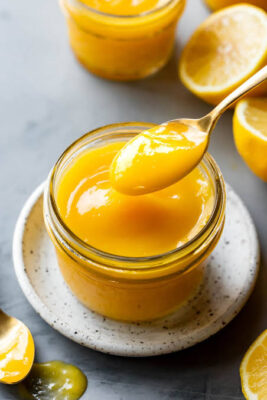
Bright, silky, and bursting with citrus flavor, lemon curd is one of those kitchen staples that instantly elevates desserts. Spread it on toast, swirl it into yogurt, fill a cake, or spoon it over scones—when it’s done right, lemon curd is pure magic. If you’ve ever struggled with curdling, dull flavor, or the wrong texture, don’t worry. This guide will show you the perfect lemon curd recipe every time – here’s how!
Designed for home cooks in the United States, the United Kingdom, and Canada, this article walks you through the essentials: ingredients, step-by-step instructions, common mistakes, flavor variations, and practical tips so your lemon curd turns out smooth, glossy, and irresistibly tangy—every single time.
What Is Lemon Curd?
Lemon curd is a creamy spread made from lemon juice, sugar, eggs, and butter. Despite the name, it contains no dairy curds—it refers to the thickened, custard-like texture created when eggs gently cook and emulsify with butter.
Why Lemon Curd Is So Popular
Bold sweet-tart flavor
Smooth, luxurious texture
Incredibly versatile
Simple ingredients
Mastering this classic means you’ll always have a dessert upgrade ready, which is why so many cooks search for the perfect lemon curd recipe every time – here’s how!
Essential Ingredients for Perfect Lemon Curd
Quality ingredients make all the difference.
Core Ingredients
Fresh lemons (juice + zest)
Eggs (whole eggs or eggs plus yolks)
Granulated sugar
Unsalted butter
Why Fresh Lemons Matter
Bottled lemon juice lacks the brightness and aroma that fresh zest provides. For the best flavor, always zest your lemons before juicing.
Choosing the Right Lemons
Not all lemons are the same, and choosing well helps guarantee success.
Eureka or Lisbon lemons: Widely available, bright and sharp
Meyer lemons: Sweeter and less acidic (great if you prefer a milder curd)
For classic results, standard lemons deliver that iconic zing you expect from a perfect lemon curd recipe every time – here’s how!
Equipment You’ll Need
You don’t need anything fancy—just a few basics:
Heatproof bowl or saucepan
Whisk
Fine mesh strainer
Zester or microplane
Optional but helpful:
Double boiler (or a bowl over simmering water)
Kitchen thermometer
Perfect Lemon Curd Recipe: Step-by-Step
This is the heart of the guide—follow these steps carefully and success is guaranteed.
Ingredients
¾ cup (150g) granulated sugar
Zest of 2 lemons
½ cup (120ml) fresh lemon juice
4 large eggs
½ cup (115g) unsalted butter, cubed
Step 1: Infuse the Sugar
Rub lemon zest into the sugar using your fingers. This releases fragrant oils and boosts lemon flavor—one of the key secrets to the perfect lemon curd recipe every time – here’s how!
Step 2: Whisk the Eggs
Whisk eggs into the sugar until smooth and pale. This ensures even cooking later.
Step 3: Add Lemon Juice
Slowly whisk in lemon juice. The mixture will look thin—this is normal.
Step 4: Cook Gently
Place the mixture over low heat or a double boiler. Stir constantly with a whisk or spatula.
Do not boil
Cook until thick enough to coat the back of a spoon
This usually takes 8–10 minutes.
Step 5: Add Butter
Remove from heat and whisk in butter cubes until fully melted and smooth.
Step 6: Strain for Smoothness
Pour through a fine mesh strainer to remove zest and any cooked egg bits.
Step 7: Cool and Chill
Cover with plastic wrap directly on the surface and refrigerate until set.
And that’s it—perfect lemon curd recipe every time – here’s how!
How to Know When Lemon Curd Is Done
One of the most common challenges is knowing when to stop cooking.
Visual Clues
Thick, glossy texture
Coats the back of a spoon
Temperature Tip
If using a thermometer, aim for 170–175°F (77–80°C).
Going higher risks scrambling the eggs.
Common Lemon Curd Mistakes (and How to Avoid Them)
Overheating
High heat causes curdling. Always cook low and slow.
Skipping Constant Stirring
Uneven heat = uneven texture.
Using Bottled Juice
Results in flat, artificial flavor.
Adding Butter Too Early
Butter should go in after cooking to preserve smoothness.
Avoid these pitfalls and you’ll nail the perfect lemon curd recipe every time – here’s how!
Flavor Variations to Try
Once you’ve mastered the classic, experiment with these twists.
Lime or Orange Curd
Swap lemon juice and zest for lime or orange.
Lavender Lemon Curd
Infuse sugar with dried culinary lavender, then strain.
Berry Swirl Lemon Curd
Fold in raspberry or strawberry purée after cooking.
Dairy-Free Lemon Curd
Use plant-based butter—results are still rich and creamy.
Best Ways to Use Lemon Curd
Lemon curd shines in both simple and elegant dishes.
Breakfast & Brunch
Spread on toast or croissants
Swirled into yogurt
Paired with pancakes or waffles
Baking & Desserts
Cake and tart fillings
Thumbprint cookies
Pavlova topping
Entertaining
Served with scones
Layered in parfaits
Dolloped on cheesecake
Its versatility is another reason people love mastering the perfect lemon curd recipe every time – here’s how!
Storage and Shelf Life
Store in an airtight jar
Refrigerate up to 1–2 weeks
Can be frozen for up to 3 months
Always use clean utensils to maintain freshness.
Practical Tips for Foolproof Results
Zest lemons before juicing
Use a heavy-bottomed pan
Keep heat low and steady
Don’t rush the thickening
Strain every time for a professional finish
These small habits make a big difference.
Why Homemade Lemon Curd Beats Store-Bought
Homemade lemon curd:
Has brighter flavor
Contains no preservatives
Allows full control over sweetness and tartness
Feels luxurious and special
Once you try it, you’ll never go back to jarred versions.
Conclusion
Silky, tangy, and endlessly versatile, lemon curd is a classic every home cook should master. With fresh ingredients, gentle heat, and a little patience, success is guaranteed. Follow this guide and you’ll achieve the perfect lemon curd recipe every time – here’s how!
Whether you’re spreading it on warm scones, filling a show-stopping cake, or simply enjoying a spoonful straight from the jar, homemade lemon curd brings sunshine to every bite 🍋✨