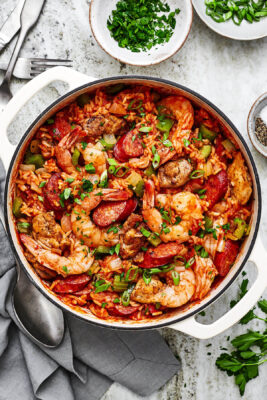
Few dishes capture the heart and soul of Southern cooking quite like jambalaya. Bold, comforting, and bursting with flavor, this iconic Louisiana dish has earned its place on dinner tables across the United States, the United Kingdom, and Canada. Whether you’re craving something hearty for a family meal or looking to impress guests with a one-pot wonder, The ultimate jambalaya recipe guide you need! is here to help.
In this comprehensive guide, you’ll discover the history behind jambalaya, the essential ingredients, step-by-step cooking instructions, variations to suit different tastes, and expert tips to make your dish truly unforgettable. By the end, you’ll have everything you need to master this classic Creole and Cajun favorite with confidence.
What Is Jambalaya? A Flavorful Louisiana Classic
Jambalaya is a rice-based dish traditionally made with a combination of meat, vegetables, spices, and stock. Originating in Louisiana, it reflects a rich blend of French, Spanish, and African culinary influences.
At its core, jambalaya is about layers of flavor. The rice absorbs the spices and juices from the meats and vegetables, resulting in a deeply satisfying, all-in-one meal.
Creole vs. Cajun Jambalaya
Before diving into The ultimate jambalaya recipe guide you need!, it’s important to understand the two main styles:
Creole Jambalaya (Red Jambalaya)
Includes tomatoes
Often features shrimp, chicken, and sausage
Popular in New Orleans
Cajun Jambalaya (Brown Jambalaya)
No tomatoes
Deeper, smokier flavor from browned meats
Common in rural Louisiana
Both versions are delicious, and choosing between them often comes down to personal preference.
Essential Ingredients for Authentic Jambalaya
A great jambalaya starts with quality ingredients. While variations exist, these core components are key to success.
Proteins
Chicken (boneless thighs are ideal for flavor)
Andouille sausage (or smoked sausage as a substitute)
Shrimp (optional but traditional in Creole jambalaya)
The Holy Trinity
Louisiana cooking relies on a foundational mix known as the holy trinity:
Onion
Green bell pepper
Celery
Other Key Ingredients
Long-grain rice
Garlic
Chicken stock or broth
Tomatoes (for Creole-style)
Cajun or Creole seasoning
Bay leaves
Paprika, thyme, cayenne pepper
These ingredients work together to create the bold, comforting flavors that define jambalaya.
Step-by-Step: How to Make Classic Jambalaya
This section is the heart of The ultimate jambalaya recipe guide you need! Follow these steps for a reliable, crowd-pleasing dish.
Step 1: Prepare Your Ingredients
Chop all vegetables, slice the sausage, season the chicken, and measure out your spices. Jambalaya cooks quickly, so preparation is key.
Step 2: Brown the Meats
In a large heavy-bottomed pot or Dutch oven:
Brown the sausage until lightly crisp, then remove
Sear the chicken until golden, then set aside
This step builds deep flavor at the base of the dish.
Step 3: Sauté the Vegetables
In the same pot:
Add onion, bell pepper, and celery
Cook until soft and fragrant
Stir in garlic and spices
Step 4: Build the Base
Add tomatoes (if using)
Return meats to the pot
Stir in rice and coat it with the flavorful mixture
Step 5: Simmer
Pour in stock
Add bay leaves
Bring to a boil, then reduce to a gentle simmer
Cover and cook until rice is tender
Step 6: Finish and Serve
If using shrimp, stir them in during the last 5–7 minutes. Once cooked, remove from heat and let the jambalaya rest before serving.
Popular Jambalaya Variations to Try
One reason jambalaya is so beloved is its versatility. Here are a few delicious twists:
Seafood Jambalaya
Loaded with shrimp, crab, and sometimes scallops, this version is especially popular along the Gulf Coast.
Vegetarian Jambalaya
Swap meats for beans, mushrooms, and extra vegetables. Use vegetable stock and bold spices to maintain depth of flavor.
Spicy Cajun Jambalaya
Increase cayenne pepper, add hot sauce, or include spicy sausage for extra heat.
These variations ensure The ultimate jambalaya recipe guide you need! fits every kitchen and lifestyle.
Practical Tips for Perfect Jambalaya Every Time
Even experienced cooks can benefit from a few expert tips:
Choose the Right Rice
Always use long-grain rice. Short-grain rice becomes sticky and changes the dish’s texture.
Don’t Over-Stir
Stirring too much can release excess starch and make the jambalaya mushy.
Season Gradually
Cajun and Creole seasonings can vary in salt and heat. Taste as you go.
Let It Rest
Allow the jambalaya to sit for 5–10 minutes after cooking. This helps flavors settle and rice firm up.
Adjust for Your Audience
For UK and Canadian readers who prefer milder spice levels, reduce cayenne and serve hot sauce on the side.
Serving Suggestions and Storage
Jambalaya is a complete meal on its own, but you can enhance it with:
Cornbread
A crisp green salad
Garlic bread
Storing Leftovers
Refrigerate in an airtight container for up to 3 days
Reheat gently with a splash of stock
Jambalaya often tastes even better the next day as flavors continue to develop.
Why Jambalaya Remains a Timeless Favorite
From family gatherings to festive celebrations, jambalaya has a unique way of bringing people together. Its bold flavors, flexible ingredients, and one-pot simplicity make it accessible for home cooks everywhere.
This dish represents comfort, culture, and creativity—all in one pot. That’s why so many cooks search for The ultimate jambalaya recipe guide you need! when they want a reliable, flavorful meal.
Conclusion
Jambalaya is more than just a recipe—it’s a culinary experience rooted in tradition and shared joy. With the right ingredients, a bit of patience, and the guidance found in The ultimate jambalaya recipe guide you need!, anyone can create an authentic, satisfying dish at home.
Whether you prefer Creole or Cajun style, mild or spicy, meat-packed or vegetarian, jambalaya adapts beautifully to your tastes. Now that you’ve explored its history, mastered the method, and learned expert tips, you’re fully equipped to bring this Louisiana classic to your table—again and again. 🍲