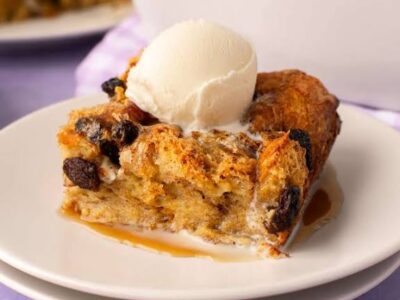
Bread pudding is the ultimate comfort dessert—warm, custardy, lightly crisp on top, and endlessly customizable. Loved across the United States, United Kingdom, and Canada, it turns simple pantry staples into a rich, nostalgic treat. If you’ve ever struggled with soggy centers or dry edges, don’t worry. This guide shows you how to make the perfect bread pudding every time, with foolproof tips, smart variations, and clear steps.
Introduction: Why Bread Pudding Never Fails to Comfort
Born from frugality and perfected by tradition, bread pudding is proof that humble ingredients can create magic. Day-old bread soaks up a spiced custard, bakes gently, and emerges silky inside with a golden top. Master the method once, and you’ll have a go-to dessert for holidays, weeknights, and brunch alike. Ready to get it right—every single time? Let’s go.
What Makes Bread Pudding “Perfect”?
A truly perfect bread pudding has:
Custardy interior (not mushy)
Lightly crisp top
Balanced sweetness
Warm spice and vanilla notes
Even bake from edge to center
Achieving this comes down to bread choice, custard ratio, soaking time, and baking temperature.
Essential Ingredients (and Why They Matter)
Bread
Best: brioche, challah, croissants, or French bread
Why: enriched breads add richness; sturdy loaves hold custard without collapsing
Tip: slightly stale bread absorbs better
Custard Base
Eggs (structure)
Milk or cream (creaminess)
Sugar (sweetness)
Vanilla + spices (flavor)
Flavor Boosters (Optional)
Cinnamon, nutmeg
Raisins, dates, or chocolate
Citrus zest
Bourbon or rum (optional)
The Perfect Bread Pudding Ratio (No Guesswork)
For a reliable result:
4–5 cups bread
2 cups liquid
3 large eggs
½–¾ cup sugar
This balance ensures a creamy center that sets without drying out.
Step-by-Step: Perfect Bread Pudding Recipe
1. Prep the Bread
Cut bread into 1–1½ inch cubes. If fresh, toast lightly at 325°F (165°C) for 8–10 minutes to dry the surface.
2. Make the Custard
Whisk eggs, milk/cream, sugar, vanilla, salt, and spices until smooth. Avoid over-whisking (which adds air).
3. Soak—But Don’t Drown
Pour custard over bread in a buttered baking dish. Press gently to submerge. Rest 20–30 minutes so the bread absorbs evenly.
4. Add Extras
Fold in fruit, chocolate, or nuts after soaking for even distribution.
5. Bake Low and Steady
Bake at 350°F (175°C) for 40–50 minutes, until:
Center is just set (slight jiggle is okay)
Top is golden
A knife comes out mostly clean
6. Rest Before Serving
Let sit 10–15 minutes to finish setting. This step is key!
Pro Tips for Perfect Results Every Time
Use room-temperature eggs for smoother custard
Cover loosely with foil if browning too fast
Don’t overbake—carryover heat finishes the center
Add a water bath for extra creaminess (optional for large dishes)
Flavor Variations Everyone Loves
Classic Vanilla Cinnamon
Timeless, cozy, and crowd-pleasing.
Apple Cinnamon Bread Pudding
Add sautéed apples and extra spice for fall vibes.
Chocolate Chip Brioche
Use dark chocolate and a splash of cream—rich and indulgent.
Lemon Blueberry
Bright, fresh, and perfect for brunch.
Savory Bread Pudding
Skip sugar; add cheese, herbs, and sautéed onions for a stunning side.
Sauces That Take It Over the Top
Vanilla custard sauce
Warm caramel
Bourbon or rum sauce
Maple cream
Drizzle just before serving for maximum impact.
Common Bread Pudding Mistakes to Avoid
Using fresh, soft bread without drying
Too much liquid (leads to soup)
Too little soaking time
Baking at high heat
Cutting immediately (wait for the set!)
Avoid these, and your bread pudding will be flawless.
Make-Ahead, Storage & Reheating
Make-Ahead
Assemble, cover, and refrigerate up to 12 hours. Bake fresh.
Storage
Refrigerate leftovers up to 3 days.
Reheat
Warm in the oven at 300°F (150°C) or microwave gently with a splash of milk.
Why This Method Works Everywhere
Whether you’re baking in the US, UK, or Canada, this approach adapts to:
Different bread types
Oven variations
Seasonal add-ins
That’s why it delivers perfect bread pudding every time.
Conclusion: Perfect Bread Pudding Recipe—Mastered
With the right bread, balanced custard, proper soak, and gentle bake, bread pudding becomes effortlessly perfect. It’s forgiving, flexible, and deeply comforting—exactly what a great dessert should be.
Now you know how to make the perfect bread pudding every time. Want a printable recipe card, a dairy-free version, or a holiday spiced twist? Just say the word! 🍮✨