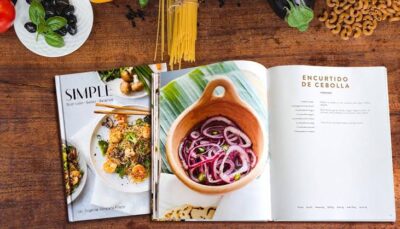
A beautifully designed recipe book does more than just hold recipes—it tells a story, showcases your culinary creativity, and makes cooking easier and more enjoyable. Whether you’re creating a personal keepsake, a family heirloom, or a professional cookbook, achieving the perfect recipe book design every time requires careful planning, attention to detail, and thoughtful organization.
Across the United States, United Kingdom, and Canada, both amateur cooks and professional chefs are discovering that presentation matters just as much as flavor. A well-designed recipe book encourages readers to explore, try new recipes, and even share the book with friends and family.
Why Recipe Book Design Matters
A good design ensures your book is:
Readable: Clear fonts, logical layout, and well-spaced text make recipes easy to follow.
Engaging: Attractive visuals and organized structure draw readers in.
Consistent: A unified style and layout gives a professional feel.
Functional: Readers can quickly find recipes, instructions, and tips.
The right design transforms a collection of recipes into a memorable experience for readers.
Key Elements of a Perfect Recipe Book Design
1. Cover Design
Choose a visually striking cover image or illustration that reflects your book’s theme.
Include a clear title, subtitle, and author name.
Use contrasting colors and readable fonts to make it stand out on shelves or online.
2. Typography
Select clean, legible fonts for ingredients and instructions.
Use decorative fonts sparingly for headings or section titles.
Maintain consistency in font sizes for headings, subheadings, and body text.
3. Layout and Structure
Include a table of contents for easy navigation.
Group recipes by categories: appetizers, mains, desserts, beverages, etc.
Use consistent margins, spacing, and alignment for a professional look.
4. Imagery
High-quality photos make recipes appealing.
Include step-by-step photos for complex recipes.
Use images sparingly to maintain readability while enhancing visual appeal.
5. Color Scheme
Select a cohesive color palette for text, headings, borders, and backgrounds.
Ensure contrast between text and background for readability.
Use subtle colors for page backgrounds or highlights to create a polished look.
Organizing Your Recipes
Step 1: Categorize Recipes
Sort recipes into logical sections such as breakfasts, salads, mains, desserts, and beverages.
Step 2: Include Recipe Metadata
Prep time, cook time, servings, difficulty level, and nutritional information help readers.
Step 3: Number or Index Recipes
Assign numbers or page references for easy cross-referencing.
Step 4: Add Tips and Notes
Include cooking tips, substitutions, or personal anecdotes to make recipes more engaging.
Practical Tips for Perfect Recipe Book Design
Consistency is Key: Use uniform fonts, spacing, and alignment throughout.
Readable Ingredients Lists: Place ingredients in a vertical list for clarity.
Step-by-Step Instructions: Use numbered or bullet points to simplify cooking.
Leave White Space: Avoid cluttered pages to make reading and following recipes easier.
Test Print: Print a sample copy to check margins, font size, and image quality.
Include Index and Glossary: Helps readers quickly locate recipes or unfamiliar ingredients.
Choosing the Right Tools
Design Software: Canva, Adobe InDesign, or Affinity Publisher are popular for layout and design.
Photo Editing: Lightroom or Photoshop can enhance food photography.
Templates: Use pre-made templates for efficiency and inspiration, then customize for your style.
Adding Personal Touches
Share family stories, cooking tips, or cultural anecdotes alongside recipes.
Include hand-drawn illustrations or sketches for a unique aesthetic.
Use color-coded sections or icons to indicate recipe types (e.g., vegan, gluten-free, quick meals).
Printing and Publishing Options
Self-Publishing: Platforms like Amazon KDP, Blurb, or Lulu allow print-on-demand.
Professional Printing: Choose quality paper and binding for a premium feel.
Digital Version: Create a PDF or eBook version to reach a wider audience.
Common Mistakes to Avoid
Overcrowding pages with text or images
Inconsistent fonts, headings, and spacing
Poor-quality photos or images
Lack of logical organization
Ignoring the reader’s perspective—test readability and navigation
Conclusion
Creating the perfect recipe book design every time requires a balance of creativity, functionality, and attention to detail. From a visually appealing cover to organized recipes, high-quality imagery, and readable typography, each element plays a role in enhancing the reader’s experience.
By applying these tips—choosing the right layout, organizing recipes, and adding personal touches—you can design a cookbook that is not only practical but also visually stunning. Whether it’s for personal use, gifts, or publishing for a wider audience in the United States, United Kingdom, or Canada, a thoughtfully designed recipe book will inspire culinary creativity and make cooking more enjoyable.
📖🍴