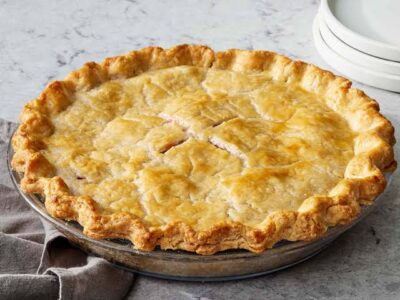
A perfect pie starts with a perfect crust. Whether you’re baking a classic apple pie, a savory quiche, or a creamy pumpkin pie, the crust can make—or break—the entire dish. If you’ve ever struggled with a tough, soggy, or shrinking crust, don’t worry. It’s time to uncover the best tips for pie crust recipe!
This guide is designed for home bakers in the United States, United Kingdom, and Canada who want reliable, bakery-quality results. We’ll break down ingredients, techniques, common mistakes, and expert tips so you can master pie crusts with confidence every time.
Why Pie Crust Matters More Than You Think
A great pie crust should be:
Flaky, not tough
Tender yet sturdy
Golden and crisp
Flavorful, not bland
Even the best filling can’t save a poorly made crust. That’s why bakers everywhere are eager to uncover the best tips for pie crust recipe!
Understanding the Basics of Pie Crust
Classic Pie Crust Ingredients
Most traditional pie crusts use just a few ingredients:
Flour
Fat (butter, shortening, or lard)
Cold water
Salt
Optional sugar (for sweet pies)
Simple ingredients, when handled correctly, create amazing results.
Choosing the Right Fat for Your Pie Crust
Butter
Best flavor
Creates flaky layers
Requires careful temperature control
Shortening
Easier to work with
Produces tender crust
Less flavor than butter
Butter + Shortening
Best of both worlds
Great for beginners
Choosing the right fat is one of the most important steps to uncover the best tips for pie crust recipe!
The Importance of Cold Ingredients
Cold fat is the secret to flaky pie crust.
Why Cold Matters
Cold fat creates steam pockets during baking
These pockets form flaky layers
Warm fat melts too early, causing dense crust
Pro tip: Chill your flour, butter, water, and even your mixing bowl.
Step-by-Step: Key Techniques for Perfect Pie Crust
Step 1: Measure Accurately
Use proper measuring cups and avoid packing flour. Too much flour leads to dry dough.
Step 2: Cut in the Fat
Mix fat into flour until it resembles coarse crumbs with pea-sized pieces. These chunks create flakiness.
Step 3: Add Water Slowly
Add ice water one tablespoon at a time. Stop as soon as the dough comes together.
Step 4: Don’t Overmix
Overworking develops gluten, making the crust tough. Mix just enough to form dough.
Resting the Dough: A Crucial Step
Chilling the dough:
Relaxes gluten
Firms up fat
Prevents shrinking
Wrap the dough and chill for at least 30–60 minutes before rolling.
Skipping this step is one of the most common mistakes bakers make.
Rolling Out Pie Dough Like a Pro
Best Rolling Tips
Use a lightly floured surface
Roll from the center outward
Rotate dough frequently
Keep thickness even
If dough cracks, let it rest for a few minutes before continuing.
Preventing a Soggy Bottom
Nobody likes a soggy crust.
Effective Solutions
Blind bake the crust for custard or cream pies
Brush with egg white before filling
Use a preheated baking sheet or stone
These tricks are essential when you uncover the best tips for pie crust recipe!
Blind Baking Explained
Blind baking means partially or fully baking the crust before adding filling.
How to Blind Bake
Line dough with parchment paper
Fill with pie weights or dried beans
Bake until edges set
Remove weights and finish baking
This step is especially important for no-bake or wet fillings.
Common Pie Crust Mistakes to Avoid
Overmixing the dough
Using warm butter
Adding too much water
Skipping chilling time
Rolling dough too thin
Avoiding these mistakes will dramatically improve your results.
Savory vs Sweet Pie Crust Tips
Sweet Pie Crust
Add a small amount of sugar
Use butter for flavor
Savory Pie Crust
Skip sugar
Add herbs or cheese for extra flavor
Tailoring your crust to your pie enhances the final result.
Make-Ahead and Storage Tips
Refrigerate dough up to 2 days
Freeze dough for up to 3 months
Thaw overnight in the refrigerator
Make-ahead dough saves time during busy baking seasons.
Why These Tips Work Every Time
Mastering pie crust is about:
Temperature control
Gentle handling
Proper resting
Balanced ingredients
Once you understand these principles, pie crust becomes predictable and stress-free.
Conclusion
A flaky, tender, golden crust is absolutely achievable at home. By understanding ingredients, keeping everything cold, and handling the dough gently, you can finally uncover the best tips for pie crust recipe!
With these techniques, every pie you bake—sweet or savory—will have a crust worth bragging about. 🥧✨