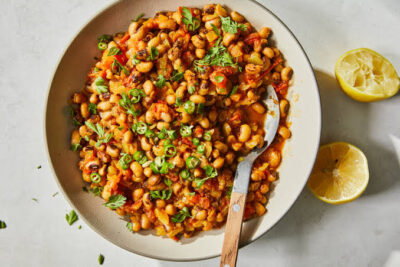
Black eyed peas are a humble ingredient with a rich history and incredible versatility. Loved across the Southern United States, the Caribbean, Africa, and increasingly in the United Kingdom and Canada, these small legumes are celebrated for their earthy flavor, creamy texture, and impressive nutritional benefits. If you’ve ever struggled with bland results or uneven cooking, it’s time to master the art of black eyed peas recipe today!
Whether you’re preparing a traditional comfort dish, a modern plant-based meal, or a hearty side for family dinners, this guide will walk you through everything you need to know—from choosing the right peas to seasoning, cooking methods, and expert tips that guarantee perfect results every time.
Why Black Eyed Peas Deserve a Place in Your Kitchen
Nutritious and Filling
Black eyed peas are packed with:
Plant-based protein
Fiber for digestion
Iron, folate, and potassium
They’re satisfying, affordable, and ideal for balanced meals.
Deep Cultural Roots
In the Southern U.S., black eyed peas are famously eaten on New Year’s Day for good luck. Across Africa and the Caribbean, they appear in countless traditional recipes. Learning to cook them well helps you connect with global food traditions.
Choosing the Best Black Eyed Peas
Dried vs. Canned
Dried black eyed peas
Better texture and flavor
More control over seasoning
Require soaking or longer cooking
Canned black eyed peas
Convenient and quick
Ideal for weeknight meals
Should be rinsed to reduce sodium
To truly master the art of black eyed peas recipe today!, dried peas are often the best choice.
Prepping Black Eyed Peas the Right Way
Soaking: Is It Necessary?
Black eyed peas don’t always require soaking, but soaking:
Reduces cooking time
Improves texture
Helps digestion
Soak dried peas for 6–8 hours or overnight in cold water.
Quick-Soak Method
Short on time?
Boil peas for 2 minutes
Remove from heat
Cover and rest for 1 hour
This shortcut still delivers great results.
Essential Ingredients for Flavorful Black Eyed Peas
Aromatics That Build Flavor
Onion
Garlic
Celery
Bell pepper
These ingredients create a rich base.
Seasonings That Shine
Bay leaves
Smoked paprika
Black pepper
Thyme
Avoid adding salt too early—it can toughen the peas.
Step-by-Step: Classic Black Eyed Peas Recipe
Step 1: Sauté the Base
Heat oil in a large pot. Sauté onion, garlic, and celery until fragrant and soft.
Step 2: Add the Peas
Add soaked (or rinsed) black eyed peas and stir to coat with aromatics.
Step 3: Simmer Gently
Cover with water or broth. Add bay leaf and spices. Bring to a boil, then reduce to a simmer.
Step 4: Cook Until Tender
Simmer for 30–45 minutes (dried) or 15–20 minutes (canned) until peas are tender but not mushy.
Step 5: Season and Serve
Add salt at the end and adjust seasoning to taste.
This method helps you truly master the art of black eyed peas recipe today!
Cooking Methods That Work Best
Stovetop Method
Classic and flavorful, perfect for traditional recipes.
Slow Cooker Method
Ideal for hands-off cooking
Deeply developed flavor
Great for large batches
Pressure Cooker or Instant Pot
No soaking required
Ready in under 30 minutes
Excellent texture
Each method offers a different way to enjoy black eyed peas.
Flavor Variations to Try
Southern-Style Black Eyed Peas
Add smoked turkey, ham hock, or bacon for deep, savory flavor.
Vegetarian and Vegan Version
Use vegetable broth, smoked paprika, and a splash of liquid smoke.
Spicy Black Eyed Peas
Add chili flakes, cayenne, or fresh jalapeño for heat.
Mediterranean-Inspired
Stir in olive oil, lemon juice, tomatoes, and herbs.
These variations make it easy to master the art of black eyed peas recipe today! no matter your taste.
Practical Tips for Perfect Results
Don’t Overcook
Overcooked peas lose texture. Taste as you go.
Add Acid at the End
Vinegar or lemon juice brightens flavor but should be added after cooking.
Let Them Rest
Like soups and stews, black eyed peas taste even better after resting for 10–15 minutes.
Common Mistakes to Avoid
Salting Too Early
This can prevent peas from softening properly.
Skipping Aromatics
Plain peas need flavor-building ingredients.
Using Too Much Liquid
Black eyed peas should be creamy, not watery.
Avoiding these mistakes is essential if you want to master the art of black eyed peas recipe today!
Serving Ideas and Pairings
Classic Pairings
Rice or cornbread
Collard greens
Roasted vegetables
Modern Serving Ideas
Black eyed peas salads
Grain bowls
Stuffed peppers
They adapt beautifully to many cuisines.
Storing and Reheating Black Eyed Peas
Refrigeration
Store cooked peas in an airtight container for up to 4 days.
Freezing
Freeze in portion-sized containers for up to 3 months.
Reheating Tips
Reheat gently on the stovetop with a splash of broth to maintain texture.
Health Benefits Worth Knowing
Black eyed peas support:
Heart health
Blood sugar balance
Digestive health
They’re an excellent choice for plant-forward diets.
Why Everyone Loves Black Eyed Peas
Affordable, nutritious, and endlessly adaptable, black eyed peas prove that simple ingredients can create deeply satisfying meals.
Conclusion
Cooking black eyed peas doesn’t have to be intimidating. With the right prep, seasoning, and cooking method, you can turn this modest legume into a star dish.
Now that you know how to master the art of black eyed peas recipe today!, you’re ready to create comforting classics or bold new variations with confidence. From Southern traditions to modern global flavors, black eyed peas deserve a permanent place in your kitchen. 🍲✨