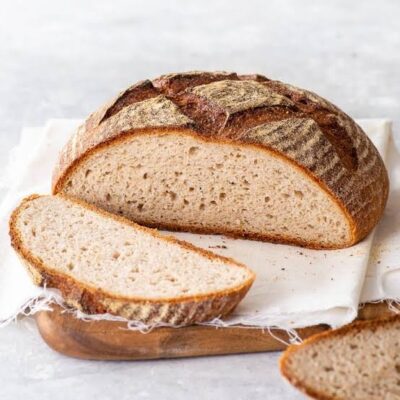
Baking bread without gluten can seem intimidating, but it doesn’t have to be. With the right ingredients, techniques, and a little patience, you can make soft, flavorful, and satisfying bread that rivals traditional loaves. If you’ve ever struggled with dry, crumbly, or dense gluten-free bread, it’s time to uncover the best tips for gluten-free bread recipe success.
Gluten-free baking has grown in popularity across the United States, United Kingdom, and Canada—not just for people with celiac disease, but also for those seeking healthier or alternative baking options. This guide will show you the secrets to creating bread that rises beautifully, tastes great, and keeps well.
Why Gluten-Free Bread Can Be Tricky
Gluten is what gives traditional bread its structure, elasticity, and chew. Without it:
Bread can be dense or crumbly
Dough may not rise properly
Texture can feel dry
Understanding these challenges is the first step when you uncover the best tips for gluten-free bread recipe mastery.
Essential Ingredients for Gluten-Free Bread
Gluten-Free Flours
Common options include:
Rice flour
Almond flour
Sorghum flour
Oat flour (certified gluten-free)
Tapioca starch or potato starch
A blend of flours is usually best for texture and flavor.
Binding Agents
Since gluten is absent, you need help holding the bread together:
Xanthan gum or guar gum
Psyllium husk powder
Flaxseed meal mixed with water
Leavening Agents
Active dry yeast (for yeasted bread)
Baking powder or baking soda (for quick bread)
Moisture and Fat
Eggs, oil, or butter
Milk, water, or dairy-free alternatives
These ingredients create a tender, moist, and pliable loaf.
Step-by-Step Tips for Perfect Gluten-Free Bread
Tip 1: Use a Balanced Flour Blend
Single gluten-free flours often result in dense bread. Combine:
1 part rice flour
1 part tapioca or potato starch
1 part almond or sorghum flour
This mix mimics wheat flour’s structure and flavor.
Tip 2: Add a Binding Agent
Xanthan gum, psyllium husk, or flaxseed gel keeps your bread from crumbling. Use about 1 teaspoon per cup of flour for yeast breads.
Tip 3: Warm Liquids for Yeast Activation
If making yeast bread:
Heat water or milk to 100–110°F (38–43°C)
Combine with sugar and yeast
Let it foam for 5–10 minutes before adding to dough
This ensures proper rising.
Tip 4: Don’t Expect the Same Dough Texture
Gluten-free dough is wetter and stickier than wheat dough. Resist the urge to add extra flour—wet dough leads to softer, lighter bread.
Tip 5: Allow Extra Rising Time
Yeast works slower in gluten-free dough. Let the dough rise until doubled, even if it takes longer than the recipe states.
Tip 6: Bake in a Loaf Pan
Use a greased or parchment-lined loaf pan to help your bread hold shape. For extra moisture retention:
Place a pan of water in the oven for steam
Cover lightly with foil for the first 15 minutes
Tip 7: Cool Completely Before Slicing
Gluten-free bread sets as it cools. Cutting too soon can cause crumbling.
Common Mistakes to Avoid
Skipping binding agents (bread will fall apart)
Adding too much flour (dense, dry texture)
Rushing rising times
Not preheating the oven properly
Avoiding these mistakes is crucial to uncover the best tips for gluten-free bread recipe success.
Optional Enhancements
Add herbs like rosemary or thyme for savory bread
Incorporate seeds (chia, sunflower, or sesame) for crunch
Sweeten with honey, maple syrup, or dried fruit for breakfast bread
Mix in grated cheese for flavor and moisture
These additions make gluten-free bread more exciting and versatile.
Quick Gluten-Free Bread Variation
For a fast, no-yeast version:
2 cups gluten-free flour blend
1 tablespoon baking powder
½ teaspoon salt
1 cup milk or dairy-free alternative
2 eggs
2 tablespoons oil
Mix, pour into a loaf pan, and bake at 375°F (190°C) for 35–40 minutes. Quick, easy, and still delicious!
Storage Tips
Store in an airtight container at room temperature for 2–3 days
Freeze slices for up to 3 months
Reheat in the oven or toaster to restore texture
Proper storage ensures your gluten-free bread stays fresh and soft.
Why Everyone Loves Gluten-Free Bread
Suitable for celiac and gluten-sensitive individuals
Can be customized for taste and texture
Delicious, fresh, and homemade
A healthier alternative with whole grains, seeds, and nuts
When you follow these expert tips, you’ll see why gluten-free baking can be just as rewarding as traditional bread.
Conclusion: Uncover the Best Tips for Gluten-Free Bread Recipe and Bake with Confidence
Baking gluten-free bread is easier than it seems once you understand the key ingredients and techniques. By using a balanced flour blend, binding agents, proper rising, and patience, you can make soft, flavorful bread that’s perfect for sandwiches, toast, or just enjoying warm with butter.
Whether you’re in the United States, United Kingdom, or Canada, these strategies prove that gluten-free bread can be delicious, versatile, and satisfying. Follow these tips, experiment with flavors, and you’ll never look back—because now you’ve truly uncovered the best tips for gluten-free bread recipe success 🍞✨.