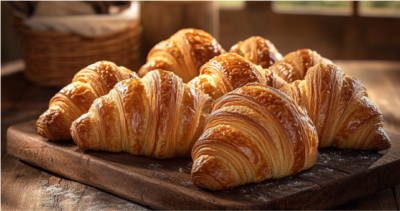
Few baked goods inspire as much admiration as the croissant. With its golden, flaky layers and rich buttery aroma, the croissant is a symbol of baking mastery and indulgence. While it may seem intimidating, making croissants at home is absolutely achievable with the right guidance. That’s exactly why this is the ultimate croissant recipe guide you need!
In this comprehensive guide, you’ll learn what makes a croissant truly great, the essential techniques behind its signature layers, and practical tips to help you succeed—even if it’s your first time. Whether you’re baking for a weekend brunch or simply want to challenge yourself, this guide will set you up for success.
What Makes a Croissant Truly Perfect?
A perfect croissant is defined by three key elements:
Crisp, deeply golden exterior
Light, airy honeycomb interior
Rich buttery flavor without greasiness
Achieving this balance is the goal of the ultimate croissant recipe guide you need!
Understanding the Croissant Dough
Yeasted Laminated Dough Explained
Croissants are made from laminated dough, meaning layers of butter are folded repeatedly into dough. As the croissant bakes, steam from the butter creates flaky layers.
This process is what separates croissants from regular bread or pastry.
Ingredients That Matter Most
Croissants rely on simple ingredients, but quality is crucial:
Bread flour (for structure)
Whole milk (for richness)
Yeast (active dry or instant)
Sugar (subtle sweetness)
Salt (flavor balance)
Butter (the star ingredient)
European-style butter with higher fat content delivers the best results.
The Secret to Perfect Layers: Lamination
Why Lamination Is Everything
Lamination is the heart of croissant-making. It’s the process of enclosing butter inside dough and folding it repeatedly to create thin layers.
Mastering lamination is the most important step in the ultimate croissant recipe guide you need!
Temperature Control Is Key
Both dough and butter should be cold but pliable. If the butter melts, layers disappear. If it’s too hard, it breaks through the dough.
Step-by-Step Croissant Process Overview
Day 1: Make the Dough
Mix flour, sugar, salt, yeast, milk, and water
Knead until smooth
Rest and chill the dough
This resting period develops flavor and relaxes gluten.
Day 2: Lamination and Folding
Roll dough into a rectangle
Enclose a slab of cold butter
Roll and fold (three turns total)
Chill between folds
This creates dozens of delicate layers.
Day 3: Shaping and Baking
Roll dough thin
Cut into triangles
Shape into crescents
Proof until puffy
Bake until deeply golden
Patience at this stage ensures bakery-quality croissants.
Shaping Croissants Like a Pro
How to Shape Perfect Crescents
Roll triangles tightly but gently
Stretch the tip slightly before rolling
Curve ends inward lightly
Even shaping helps croissants bake evenly and look professional.
Proofing: The Step You Can’t Rush
Why Proofing Matters
Proofing allows yeast to create air pockets that expand during baking. Under-proofed croissants will be dense; over-proofed ones may collapse.
Ideal proofing conditions:
Warm (24–26°C / 75–78°F)
Humid
Draft-free
This step is essential in the ultimate croissant recipe guide you need!
Baking Croissants to Golden Perfection
Oven Temperature Tips
Bake croissants at a high temperature (around 200°C / 400°F) to create steam quickly and lock in layers.
Egg Wash for Shine
A light egg wash gives croissants their signature glossy finish. Avoid letting egg drip onto the layers—it can seal them shut.
Practical Tips for Croissant Success
Chill dough whenever it feels soft
Use a ruler for even rolling
Weigh ingredients for accuracy
Don’t rush resting times
Use parchment paper for easy cleanup
These details dramatically improve results.
Common Croissant Mistakes to Avoid
Butter melting during lamination
Skipping rest periods
Using low-fat butter
Baking at low temperature
Overhandling the dough
Avoiding these mistakes puts you ahead of most beginners.
Croissant Variations You’ll Love
Classic Butter Croissants
Simple, elegant, and timeless.
Chocolate Croissants (Pain au Chocolat)
Add chocolate batons before shaping for a rich twist.
Almond Croissants
Fill with almond cream and top with sliced almonds after baking.
Once you master the base recipe, variations become easy and fun.
Storage and Reheating Tips
Fresh croissants are best the day they’re baked, but you can:
Freeze shaped, unbaked croissants
Bake directly from frozen (add proofing time)
Reheat baked croissants briefly in the oven
Never microwave—they’ll lose flakiness.
Why Homemade Croissants Are Worth the Effort
Making croissants at home allows you to:
Control butter quality
Enjoy unmatched freshness
Customize shapes and fillings
Truly understand the craft
Few baking projects are as satisfying as pulling homemade croissants from the oven.
Why This Is the Ultimate Croissant Recipe Guide You Need!
This guide focuses on technique, timing, and temperature—the three pillars of croissant success. By understanding the “why” behind each step, you gain confidence and consistency, not just a recipe.
That’s what makes this the ultimate croissant recipe guide you need!
Conclusion
Croissants may have a reputation for being difficult, but with patience, precision, and practice, they’re completely achievable at home. From buttery lamination to golden baking, each step builds toward a truly unforgettable result.
Now that you’ve explored the ultimate croissant recipe guide you need!, you’re ready to take on one of baking’s most iconic challenges. One bite of a warm, flaky homemade croissant—and you’ll know every fold was worth it 🥐✨