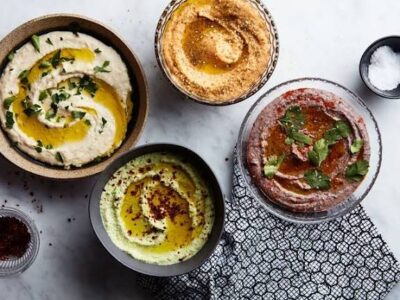
Creamy, smooth, and endlessly versatile, hummus is one of the most loved dips in the world. From Middle Eastern tables to modern kitchens across the United States, the United Kingdom, and Canada, hummus has become a staple for healthy snacking, entertaining, and quick meals. Yet many home cooks struggle to recreate that ultra-silky, restaurant-quality texture.
If you’ve ever wondered why your hummus doesn’t taste quite right, you’re in the right place. In this guide, you’ll discover the secret to hummus recipe perfection—covering ingredients, techniques, variations, and expert tips that transform simple chickpeas into a truly irresistible dip.
What Makes Great Hummus? (H2)
Perfect hummus is all about balance.
Key Qualities of the Best Hummus (H3)
Ultra-smooth texture
Nutty, rich flavor
Bright acidity
Well-balanced garlic
Mastering these elements is essential to discover the secret to hummus recipe success.
The Core Ingredients of Authentic Hummus (H2)
Simple ingredients, used correctly, make all the difference.
Classic Hummus Ingredients (H3)
Chickpeas (garbanzo beans)
Tahini (sesame paste)
Fresh lemon juice
Garlic
Olive oil
Salt
Each ingredient plays a crucial role in flavor and texture.
Discover the Secret to Hummus Recipe: The Chickpea Trick (H2)
Why Chickpea Prep Matters (H3)
The biggest secret to creamy hummus lies in how you prepare the chickpeas.
The Secret Step:
Remove the chickpea skins.
While it takes a few extra minutes, peeling chickpeas dramatically improves texture. Simply rub cooked chickpeas between your hands in water—the skins float to the top.
Canned vs. Dried Chickpeas (H3)
Dried chickpeas: Best flavor and texture
Canned chickpeas: Convenient and still delicious
For canned chickpeas, simmer them for 15–20 minutes to soften further.
The Right Order of Blending (H2)
Why Order Matters (H3)
Another key to discover the secret to hummus recipe mastery is blending order.
Best Blending Sequence:
Tahini and lemon juice
Garlic and salt
Chickpeas
Ice water
Olive oil
This emulsifies tahini first, creating a light, fluffy base.
The Ultimate Creamy Hummus Recipe (H2)
Ingredients (H3)
1½ cups cooked chickpeas
⅓ cup tahini
¼ cup fresh lemon juice
1–2 garlic cloves
½ tsp salt
2–4 tbsp ice-cold water
2 tbsp extra-virgin olive oil
Step-by-Step Instructions (H3)
Blend tahini and lemon juice for 1 minute
Add garlic and salt, blend until smooth
Add chickpeas gradually while blending
Drizzle in ice water until creamy
Finish with olive oil
Blend for a full 2–3 minutes for the smoothest result.
This method helps you truly discover the secret to hummus recipe perfection.
Why Ice Water Makes a Difference (H2)
The Texture Secret Explained (H3)
Ice-cold water helps emulsify tahini and chickpeas, making hummus lighter and creamier without thinning flavor.
Garlic: Raw or Cooked? (H2)
Choosing the Right Garlic Style (H3)
Raw garlic: Sharp, bold flavor
Roasted garlic: Sweet and mellow
For a smoother taste, roast garlic before blending.
Common Hummus Mistakes to Avoid (H2)
Avoid these issues:
Too little tahini
Overpowering garlic
Skipping lemon juice
Under-blending
Fixing these ensures consistent results.
Flavor Variations You’ll Love (H2)
Classic Variations (H3)
Roasted red pepper hummus
Spicy harissa hummus
Lemon herb hummus
Creative Hummus Twists (H3)
Beet hummus
Avocado hummus
Pumpkin hummus
Variations keep hummus exciting and versatile.
How to Serve Hummus Like a Pro (H2)
Presentation Tips (H3)
Create a swirl with a spoon
Drizzle olive oil in the center
Sprinkle paprika or sumac
Serve with:
Pita bread
Fresh vegetables
Crackers
Hummus as a Meal Ingredient (H2)
Hummus isn’t just a dip.
Ways to Use Hummus (H3)
Spread in sandwiches and wraps
Sauce for grain bowls
Topping for roasted vegetables
Its versatility makes it a kitchen essential.
Storage & Shelf Life (H2)
How to Store Hummus (H3)
Refrigerate in an airtight container
Keeps fresh for up to 5 days
Stir before serving
Homemade hummus tastes best when fresh.
Health Benefits of Hummus (H2)
Hummus is:
High in plant protein
Rich in fiber
Heart-healthy
Naturally gluten-free
This makes it popular in health-conscious kitchens across North America and the UK.
Practical Tips to Perfect Your Hummus (H2)
Quick takeaways:
Always blend longer than you think
Taste and adjust seasoning
Use quality tahini
Serve at room temperature
These tips help you discover the secret to hummus recipe success every time.
Why Homemade Hummus Is Worth It (H2)
Homemade hummus offers:
Better texture
Fresher flavor
No preservatives
Once you master the technique, you’ll never go back to store-bought.
Conclusion
When you discover the secret to hummus recipe mastery, you unlock a simple yet powerful kitchen skill. With properly prepared chickpeas, the right blending order, ice-cold water, and quality tahini, hummus becomes irresistibly smooth and flavorful.
Whether you enjoy it classic or flavored, hummus is a timeless, healthy favorite that fits perfectly into modern kitchens in the US, UK, and Canada. Grab your blender, follow these secrets, and enjoy hummus that rivals your favorite café 🥙✨