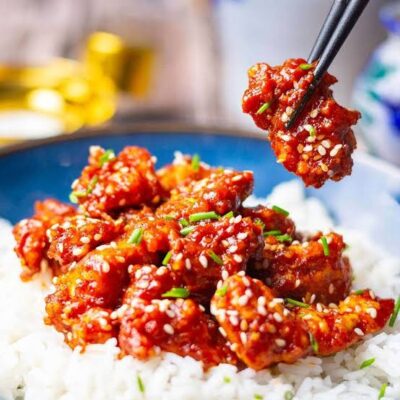
If you’ve ever tasted Korean food and wondered where that deep, spicy, slightly sweet umami flavor comes from, the answer is often gochujang. This iconic Korean chili paste has become a favorite in kitchens across the United States, the United Kingdom, and Canada—and for good reason. Once you learn how to use it (or even make a quick homemade version), you’ll see how easily it can transform everyday cooking.
In this guide, you’ll discover what makes gochujang special, a simple gochujang recipe, and easy ways to use it to elevate your meals.
What Is Gochujang and Why Is It So Loved?
Gochujang is a fermented Korean chili paste traditionally made from:
Red chili powder (gochugaru)
Fermented soybeans
Glutinous rice
Salt
The result is a thick, rich paste that’s spicy, savory, slightly sweet, and deeply umami.
This balance of flavors is exactly why people say, “Transform your cooking with this gochujang recipe recipe!” A single spoonful can turn a simple dish into something bold and exciting.
Easy Homemade Gochujang-Style Recipe (Quick Version)
While traditional gochujang ferments for months, this quick recipe delivers amazing flavor with ingredients you can easily find.
Ingredients
¼ cup Korean chili powder (gochugaru)
3 tablespoons miso paste (white or soybean)
2 tablespoons soy sauce
2 tablespoons honey or brown sugar
1 tablespoon rice vinegar
1 tablespoon sesame oil
2–3 tablespoons warm water (as needed)
1 small clove garlic, finely minced (optional)
Step-by-Step: How to Make the Gochujang Recipe
Step 1: Build the Flavor Base
In a bowl, mix the miso paste, soy sauce, honey (or brown sugar), rice vinegar, and sesame oil until smooth.
Step 2: Add the Heat
Stir in the gochugaru slowly, adjusting the amount based on your spice tolerance.
Step 3: Adjust the Texture
Add warm water one tablespoon at a time until you reach a thick, smooth, paste-like consistency.
Step 4: Taste and Balance
Taste and adjust:
More sweetness → add honey
More saltiness → add soy sauce
More tang → add vinegar
Your quick gochujang-style paste is ready!
How This Gochujang Recipe Transforms Your Cooking
1. Instantly Upgrades Simple Dishes
Add gochujang to:
Stir-fries
Fried rice
Noodles
Roasted vegetables
Even a basic meal becomes bold and restaurant-worthy.
2. Perfect for Marinades and Sauces
Mix gochujang with:
Soy sauce + garlic for meat marinades
Mayo + lime for a spicy spread
Honey + butter for a glaze
This versatility is why people love to transform their cooking with this gochujang recipe recipe!
3. Adds Depth Without Complexity
Instead of using multiple spices and sauces, gochujang delivers layers of flavor in one ingredient.
Easy Ways to Use Gochujang at Home
Weeknight Dinner Hacks
Stir 1 tablespoon into ground beef or turkey
Add to tomato sauce for a spicy twist
Mix with olive oil for a bold salad dressing
Comfort Food Glow-Up
Gochujang mac and cheese
Spicy mashed potatoes
Gochujang grilled cheese
These unexpected uses are trending in North American kitchens—and they work beautifully.
Tips for the Best Results
Start small: Gochujang is powerful; a little goes a long way
Balance the heat: Always pair with something sweet or creamy
Store properly: Keep in an airtight container in the fridge for up to 2 weeks
Common Mistakes to Avoid
❌ Using too much at once
❌ Skipping sweetness (it’s key to balance)
❌ Cooking it on very high heat (can burn and turn bitter)
Avoid these, and your dishes will shine.
Store-Bought vs Homemade Gochujang
Store-bought:
Authentic fermented flavor
Long shelf life
Homemade (quick version):
Customizable spice and sweetness
No waiting time
Both are excellent—choose what fits your lifestyle.
Conclusion
Learning to transform your cooking with this gochujang recipe recipe! is like unlocking a new flavor dimension in your kitchen. Bold yet balanced, spicy yet comforting, gochujang brings excitement to everyday meals without requiring complicated techniques.
Whether you’re cooking for yourself or impressing guests, this simple gochujang recipe and its endless uses will quickly become a staple. Once you start cooking with it, you’ll wonder how your kitchen ever lived without it 🌶️🍜