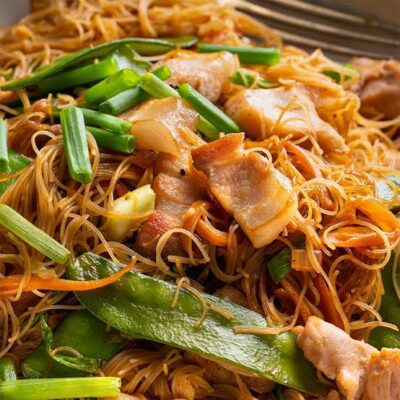
If you’re craving a flavorful, comforting noodle dish that’s easy to prepare and perfect for sharing, it’s time to learn the best pancit recipe Filipino style. Pancit is a beloved staple in Filipino cuisine, known for its savory taste, colorful ingredients, and deep cultural significance. Often served at celebrations, birthdays, and family gatherings, pancit symbolizes long life and good fortune.
In this guide, you’ll discover simple, step-by-step instructions to make an authentic and delicious Filipino pancit at home. Whether you’re new to Filipino cooking or looking to improve your skills, these easy steps will help you master this classic dish.
What Is Pancit? (H2)
Pancit refers to a variety of Filipino noodle dishes, each with its own regional twist.
Popular Types of Pancit (H3)
Pancit Canton: Stir-fried egg noodles
Pancit Bihon: Thin rice noodles
Pancit Malabon: Thick rice noodles with seafood
Pancit Palabok: Rice noodles with rich sauce
This guide focuses on pancit bihon, one of the most popular and beginner-friendly versions of a pancit recipe Filipino households love.
Why Pancit Is So Popular (H2)
A Dish Full of Meaning (H3)
In Filipino culture, pancit represents:
Longevity
Prosperity
Togetherness
That’s why pancit is almost always present at celebrations.
Easy, Flexible, and Delicious (H3)
Pancit is loved because it:
Uses simple ingredients
Adapts to what you have on hand
Feeds a crowd easily
Ingredients for the Best Pancit Recipe Filipino (H2)
Main Ingredients (H3)
8 oz (225 g) pancit bihon (rice noodles)
2 tablespoons cooking oil
1 onion, sliced
3 cloves garlic, minced
1 cup cooked chicken, shredded
½ cup shrimp (optional)
2 cups mixed vegetables (carrots, cabbage, green beans)
Seasoning and Liquid (H3)
3 tablespoons soy sauce
2 cups chicken broth
Salt and black pepper to taste
Lemon or calamansi for serving
Simple Steps to Make Pancit Recipe Filipino (H2)
Step 1: Soak the Noodles (H3)
Place rice noodles in warm water for 10–15 minutes until softened. Drain and set aside.
Step 2: Sauté Aromatics (H3)
Heat oil in a large pan or wok.
Sauté onion and garlic until fragrant and slightly golden.
Step 3: Cook the Protein (H3)
Add chicken and shrimp (if using).
Cook until shrimp turn pink and chicken is heated through.
Step 4: Add Vegetables (H3)
Stir in vegetables and cook briefly until just tender.
Avoid overcooking to keep them crisp.
Step 5: Add Broth and Soy Sauce (H3)
Pour in chicken broth and soy sauce.
Bring to a gentle simmer.
Step 6: Add Noodles and Toss (H3)
Add softened noodles to the pan.
Toss gently until noodles absorb the liquid and become tender.
Cooking Tips for Perfect Pancit (H2)
Keep the Noodles Light (H3)
Don’t oversoak the noodles
Add liquid gradually
Balance the Flavor (H3)
Taste as you go. Adjust soy sauce, salt, or pepper as needed.
Use a Wide Pan (H3)
This helps noodles cook evenly and prevents clumping.
Common Pancit Mistakes to Avoid (H2)
Overcooking the Noodles (H3)
Leads to mushy texture.
Too Much Soy Sauce (H3)
Can overpower the dish and darken the noodles.
Skipping the Citrus (H3)
A squeeze of lemon or calamansi brightens the flavors.
Pancit Variations to Try (H2)
Vegetarian Pancit (H3)
Use vegetable broth and tofu instead of meat.
Pancit with Pork (H3)
Add thinly sliced pork for richer flavor.
Spicy Pancit (H3)
Add chili flakes or fresh chili peppers.
These variations keep your pancit recipe Filipino fresh and exciting.
Best Side Dishes for Pancit (H2)
Lumpia (Filipino spring rolls)
Fried chicken
Steamed rice
Fresh fruit
Pancit pairs well with many Filipino favorites.
Why Pancit Is Perfect for Gatherings (H2)
Pancit is:
Easy to scale for crowds
Affordable
Loved by all ages
Great for potlucks
That’s why it’s a celebration staple.
Storing and Reheating Pancit (H2)
Storage Tips (H3)
Refrigerate leftovers up to 3 days
Store in airtight containers
Reheating Tips (H3)
Reheat gently in a pan
Add a splash of broth to loosen noodles
Healthier Pancit Options (H2)
Use more vegetables
Choose lean protein
Reduce oil and sodium
Pancit can be both comforting and nutritious.
Why This Pancit Recipe Filipino Works (H2)
This recipe succeeds because it:
Uses authentic flavors
Follows traditional techniques
Remains simple and flexible
Produces balanced taste and texture
Cultural Importance of Pancit (H2)
Beyond flavor, pancit connects people to:
Family traditions
Cultural heritage
Shared meals and memories
Cooking pancit is an act of celebration.
Conclusion
With these simple steps, you can confidently make the best pancit recipe Filipino style right at home. From its savory noodles to its vibrant vegetables and meaningful tradition, pancit is a dish that brings people together.
Whether you’re cookng for family, friends, or a special celebration, this pancit recipe Filipino classic delivers comfort, flavor, and authenticity in every bite. Once you try it, it’s sure to become a regular favorite in your kitchen. 🍜✨