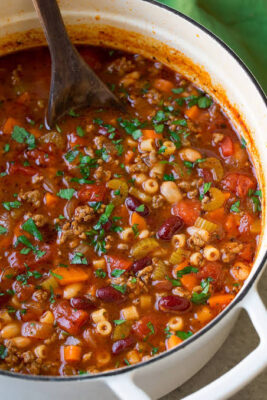
If you’ve ever dined at Olive Garden, chances are you’ve fallen in love with their comforting Pasta e Fagioli soup. Rich, hearty, and full of flavor, this Italian-inspired classic has become one of the restaurant’s most beloved menu items. Packed with tender pasta, beans, vegetables, and savory broth, it’s the kind of soup that feels like a complete meal in a bowl.
This ultimate guide to Pasta fagioli soup Olive Garden style will walk you through everything you need to know—from what makes the soup so special to how you can recreate it at home. Whether you’re in the United States, United Kingdom, or Canada, this guide is designed to help you understand, enjoy, and master this iconic soup.
What Is Pasta Fagioli Soup?
Pasta fagioli (pronounced pah-sta fah-JOE-lee) translates to “pasta and beans” in Italian. Traditionally, it’s a rustic, peasant-style soup made with inexpensive pantry staples.
Traditional Pasta e Fagioli
Pasta (usually small shapes)
Beans (cannellini or kidney beans)
Aromatics like onion and garlic
Tomatoes
Herbs and olive oil
Olive Garden’s Pasta Fagioli Soup
The Olive Garden version takes this traditional dish and adds:
Ground beef for heartiness
A tomato-based broth
A mix of beans and vegetables
Rich Italian seasoning
This combination is what makes Pasta fagioli soup Olive Garden style so filling and satisfying.
Why Olive Garden Pasta Fagioli Soup Is So Popular
Hearty and Filling
Unlike lighter soups, this one includes protein, carbs, and fiber, making it a full meal.
Balanced Flavor
The soup perfectly balances savory beef, tangy tomatoes, tender beans, and mild pasta.
Comfort Food Appeal
Warm, familiar, and cozy—this soup is comfort food at its best, especially during cooler months.
Ingredients Used in Olive Garden–Style Pasta Fagioli Soup
Understanding the ingredients is key to mastering this ultimate guide to Pasta fagioli soup Olive Garden recipe.
Core Ingredients
Ground beef
Onion
Garlic
Carrots
Celery
Tomato sauce
Diced tomatoes
Red kidney beans
White beans (cannellini or great northern)
Small pasta (ditalini is traditional)
Beef broth
Italian seasoning
Olive oil
Salt and black pepper
These ingredients are widely available across the US, UK, and Canada.
Step-by-Step Olive Garden Pasta Fagioli Soup (Copycat Style)
Step 1: Brown the Beef
Heat olive oil in a large pot. Add ground beef and cook until browned. Drain excess fat if needed.
Step 2: Sauté the Vegetables
Add chopped onion, carrots, celery, and garlic. Cook until softened and fragrant.
Step 3: Build the Broth
Stir in tomato sauce, diced tomatoes, and beef broth. Mix well to combine.
Step 4: Add Beans and Seasoning
Add drained beans and Italian seasoning. Simmer for 15–20 minutes to let flavors develop.
Step 5: Cook the Pasta
Add pasta and cook until tender. Stir occasionally to prevent sticking.
This method closely mirrors the Pasta fagioli soup Olive Garden experience at home.
Choosing the Right Pasta
The pasta plays a bigger role than many people realize.
Best Pasta Types
Ditalini (most authentic)
Small shells
Elbow macaroni
Avoid large pasta shapes—they overpower the soup and disrupt the texture.
Meat and Vegetarian Variations
Beef-Free Version
Replace ground beef with:
Extra beans
Lentils
Plant-based ground alternatives
Chicken or Turkey Option
Ground turkey or chicken creates a lighter version while keeping the soup hearty.
These variations still stay true to the spirit of Pasta fagioli soup Olive Garden style.
Practical Tips for Perfect Results
To get restaurant-quality soup at home, keep these tips in mind:
Brown meat well for deeper flavor
Use low-sodium broth to control salt
Cook pasta separately if storing leftovers
Simmer longer for richer taste
Stir often once pasta is added
These small details make a big difference.
Common Mistakes to Avoid
Overcooking the Pasta
Pasta can become mushy if cooked too long. Add it near the end.
Too Thick or Too Thin
If too thick, add broth. If too thin, simmer uncovered to reduce.
Underseasoning
Taste as you go—beans and pasta need enough seasoning.
How to Store and Reheat Pasta Fagioli Soup
Refrigeration
Store in an airtight container for up to 4 days.
Freezing
Freeze without pasta for best texture. Add fresh pasta when reheating.
Reheating
Warm gently on the stovetop, adding broth if needed.
What to Serve with Pasta Fagioli Soup
To complete the Olive Garden experience:
Garlic bread or breadsticks
Simple green salad
Grated Parmesan cheese
Drizzle of olive oil on top
These pairings enhance the soup without overpowering it.
Nutritional Benefits
This soup offers more than just great taste.
Health Highlights
High in protein and fiber
Balanced carbohydrates
Rich in vegetables
Can be made lower in fat and sodium
With simple tweaks, Pasta fagioli soup Olive Garden style can fit many dietary preferences.
Why This Soup Works Across Different Regions
In the US, it’s a comfort food staple.
In the UK, it’s appreciated as a hearty Italian-style soup.
In Canada, it’s perfect for cold weather and family meals.
Its universal appeal is why this dish remains so popular.
Conclusion
This ultimate guide to Pasta fagioli soup Olive Garden style shows why this dish has earned its place as a restaurant favorite. It’s hearty, flavorful, comforting, and surprisingly easy to make at home. With simple ingredients, flexible variations, and a few practical tips, you can enjoy the taste of Olive Garden right in your own kitchen.
Whether you’re cooking for your family, meal prepping for the week, or craving a warm bowl of comfort, Pasta e Fagioli soup delivers every time. Once you try it homemade, it’s bound to become a regular part of your recipe rotation. 🍲