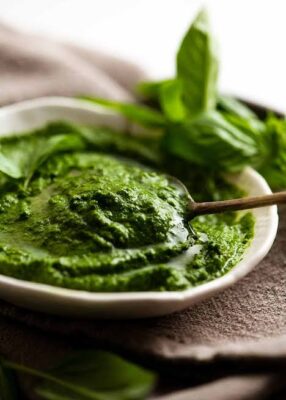
Salsa verde is one of those timeless sauces that instantly elevates a meal. Fresh, tangy, and bursting with flavor, it pairs beautifully with tacos, grilled meats, roasted vegetables, and even breakfast dishes. Whether you’re a home cook looking to expand your skills or a food lover eager to recreate authentic flavors, this Step-by-Step Salsa Verde Recipe Guide will help you master this versatile green sauce with confidence.
Popular across the United States, the United Kingdom, and Canada, salsa verde has many interpretations—from the classic Mexican tomatillo-based version to herb-forward European styles. This guide focuses on the most widely loved fresh tomatillo salsa verde while offering variations, practical tips, and serving ideas. By the end, you’ll not only know how to make salsa verde—you’ll understand how to perfect it.
What Is Salsa Verde?
Understanding Salsa Verde
“Salsa verde” literally means “green sauce,” but its ingredients and preparation vary by region. In North American kitchens, salsa verde typically features tomatillos, green chilies, cilantro, onion, garlic, and lime juice. The result is a bright, slightly tart sauce that balances heat and freshness.
This Step-by-Step Salsa Verde Recipe Guide focuses on a version that’s easy to prepare, adaptable to different tastes, and perfect for everyday cooking.
Why Salsa Verde Is So Popular
Salsa verde has earned its popularity because it is:
Quick to prepare
Made with simple, fresh ingredients
Naturally gluten-free and vegan
Easy to customize for spice and texture
It’s a staple sauce that works across cuisines and seasons.
Ingredients for a Classic Salsa Verde
Core Ingredients
To follow this Step-by-Step Salsa Verde Recipe Guide, you’ll need:
Tomatillos (about 1 pound), husked and rinsed
Jalapeño or serrano peppers (1–2, depending on heat preference)
White onion (½ medium)
Fresh garlic (1–2 cloves)
Fresh cilantro (½ cup leaves)
Fresh lime juice (1–2 tablespoons)
Salt to taste
Optional Enhancements
These ingredients are optional but can add depth:
Avocado for creaminess
Cumin for warmth
Olive oil for richness
Green onions for mild sharpness
Step-by-Step Salsa Verde Recipe Guide
Step 1: Prepare the Tomatillos
Remove the husks and rinse the tomatillos thoroughly to eliminate the sticky residue. This step is essential for clean flavor.
You can choose between:
Raw tomatillos for a sharper, brighter taste
Cooked tomatillos for a smoother, mellow flavor
Both options work well in this Step-by-Step Salsa Verde Recipe Guide.
Step 2: Cook (Optional but Recommended)
For a classic, balanced salsa verde:
Place tomatillos and peppers in a saucepan
Cover with water
Bring to a gentle boil and simmer for 5–7 minutes
Drain and let cool slightly
Cooking softens the ingredients and reduces bitterness.
Step 3: Blend the Ingredients
Add tomatillos, peppers, onion, garlic, and cilantro to a blender or food processor. Pulse or blend until you reach your preferred texture—smooth or slightly chunky.
Texture control is one of the key skills taught in this Step-by-Step Salsa Verde Recipe Guide.
Step 4: Season and Adjust
Add lime juice and salt gradually. Taste as you go and adjust:
More lime for brightness
More salt for depth
A splash of water if too thick
Let the salsa rest for 5 minutes so flavors can meld.
Practical Tips for Perfect Salsa Verde
Control the Heat Level
Remove pepper seeds for mild salsa
Use serrano peppers for extra heat
Blend peppers separately if unsure
Balancing heat is a practical takeaway from this Step-by-Step Salsa Verde Recipe Guide.
Achieve the Right Consistency
Thick salsa: less liquid, more tomatillos
Pourable salsa: add water or olive oil
Chunky texture: pulse instead of blending continuously
Fresh vs. Cooked Flavor
Raw salsa verde is vibrant and acidic, while cooked versions are smoother and more rounded. Try both to discover your preference.
Popular Salsa Verde Variations
Creamy Salsa Verde
Add half an avocado or a spoonful of Greek yogurt for a rich, creamy texture. This version is perfect for tacos and wraps.
Roasted Salsa Verde
Roast tomatillos, peppers, onion, and garlic in the oven at 400°F (200°C) for 15–20 minutes before blending. Roasting adds smoky depth.
No-Cilantro Option
For those who dislike cilantro, substitute parsley or omit herbs entirely and increase lime juice slightly.
How to Serve Salsa Verde
Everyday Uses
This Step-by-Step Salsa Verde Recipe Guide wouldn’t be complete without serving ideas:
Tacos, burritos, and quesadillas
Grilled chicken, steak, or fish
Scrambled eggs or breakfast burritos
Roasted vegetables and potatoes
As a Cooking Ingredient
Use salsa verde as:
A marinade for meats
A simmer sauce for chicken or beans
A topping for grain bowls
Its versatility makes it a kitchen essential.
Storage and Food Safety
How to Store Salsa Verde
Store in an airtight container
Refrigerate for up to 5 days
Stir before serving
Can You Freeze Salsa Verde?
Yes. Freeze in small portions for up to 2 months. Texture may change slightly, but flavor remains strong.
Proper storage is an often-overlooked detail in any Step-by-Step Salsa Verde Recipe Guide.
Common Mistakes to Avoid
Skipping the rinse on tomatillos
Over-blending into a watery sauce
Adding too much lime at once
Forgetting to season gradually
Avoiding these mistakes ensures consistent results.
Health Benefits of Salsa Verde
Salsa verde isn’t just delicious—it’s nutritious:
Low in calories
Rich in vitamin C
High in antioxidants
Supports digestion
Fresh ingredients make it a smart, flavorful addition to balanced meals.
Why This Recipe Works for North American Kitchens
This Step-by-Step Salsa Verde Recipe Guide is designed with accessibility in mind. Ingredients are widely available in grocery stores across the U.S., U.K., and Canada, and the method suits both beginner and experienced cooks.
The recipe adapts easily to different dietary preferences, spice tolerances, and cooking styles, making it a reliable go-to sauce.
Conclusion
Salsa verde is more than just a condiment—it’s a versatile, vibrant sauce that enhances countless dishes. With this Step-by-Step Salsa Verde Recipe Guide, you now have the knowledge to prepare, customize, and perfect salsa verde at home with ease.
From selecting fresh tomatillos to adjusting heat and texture, each step builds confidence and flavor. Whether you enjoy it raw and zesty or cooked and mellow, salsa verde belongs in every modern kitchen. Once you master this guide, you’ll find yourself reaching for it again and again to add brightness and boldness to your meals.