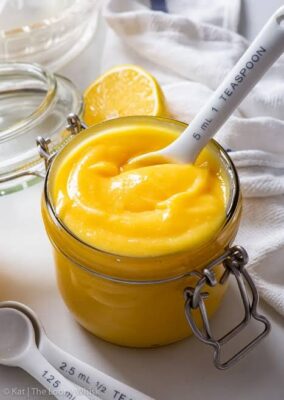
Few spreads can rival the silky smooth texture, tangy brightness, and rich sweetness of lemon curd. Whether slathered over warm scones, tucked inside a tart shell, or layered between cakes, this citrusy delight has secured a permanent spot in kitchens across the United States, United Kingdom, and Canada. Making lemon curd from scratch may seem intimidating, but it is surprisingly simple and rewarding. By mastering a Perfect Lemon Curd Recipe at Home, you gain control over the ingredients, flavor, and consistency, ensuring a fresher and more vibrant taste than anything from a store-bought jar.
In this guide, we’ll explore how to prepare lemon curd step by step, offer practical tips for success, and share creative ways to enjoy it. Let’s dive into the art of crafting the perfect lemon curd in your own kitchen.
What is Lemon Curd?
Lemon curd is a smooth, custard-like spread made primarily with lemons, eggs, sugar, and butter. Unlike jams or jellies, it does not rely on fruit pectin but instead thickens through the gentle cooking of eggs. The result is a velvety, tangy spread with a balance of citrus brightness and creamy richness.
Originally a British creation, lemon curd has become popular worldwide, especially in North America, where it often accompanies desserts like pies, tarts, and trifles.
Ingredients for the Perfect Lemon Curd Recipe at Home
To achieve authentic flavor and texture, use fresh, high-quality ingredients:
Fresh lemons (about 4 medium lemons) – zest and juice
Granulated sugar – 1 cup (200g)
Large eggs – 3 whole eggs plus 1 egg yolk
Unsalted butter – ½ cup (1 stick), cut into small cubes
A pinch of salt – enhances flavor
Tip: Organic, unwaxed lemons provide the best zest. Their fragrant oils are key to achieving an intense citrus aroma.
Step-by-Step Method
1. Prepare the Lemons
Wash the lemons thoroughly. Using a microplane or fine grater, zest only the yellow peel (avoid the bitter white pith). Then juice the lemons until you have about ½ cup (120ml) of juice.
2. Mix the Base
In a heatproof bowl, whisk together the sugar, eggs, egg yolk, lemon juice, and zest. The mixture should be smooth and slightly frothy.
3. Gentle Cooking
Place the bowl over a saucepan of simmering water (a double boiler setup). Stir continuously with a whisk or silicone spatula to prevent scrambling. Over 10–15 minutes, the mixture will thicken enough to coat the back of a spoon.
4. Add the Butter
Remove the mixture from heat and gradually whisk in the butter cubes. The butter will melt and create a glossy, creamy finish.
5. Strain for Smoothness
For an ultra-smooth lemon curd, strain it through a fine mesh sieve into a clean bowl. This removes any cooked egg bits or zest clumps.
6. Chill and Store
Transfer the lemon curd to sterilized jars. Once cooled to room temperature, cover tightly and refrigerate. It will thicken further as it chills. Properly stored, it keeps for up to 2 weeks in the fridge.
Practical Tips for Success
Use Low, Gentle Heat
Rushing the process by turning up the heat can curdle the eggs. Slow cooking ensures a silky texture.
Stir Consistently
Continuous stirring prevents the mixture from sticking to the sides or bottom of the bowl.
Balance Sweetness and Tartness
If you prefer a sharper lemon flavor, reduce the sugar slightly. For a sweeter version, add an extra tablespoon or two of sugar.
Add Extra Egg Yolk for Richness
Some bakers include an extra yolk to boost creaminess and help the curd set more firmly.
Store Properly
Always use clean, sterilized jars for storing lemon curd. For longer preservation, you can freeze it for up to 3 months.
Variations on the Classic Recipe
While the Perfect Lemon Curd Recipe at Home is timeless, experimenting with flavors can yield delightful results:
Meyer Lemon Curd – Sweeter and less tangy than regular lemon curd, with floral notes.
Lime Curd – Offers a tropical twist, ideal for key lime pies.
Orange Curd – Slightly milder, great for breakfast spreads.
Mixed Citrus Curd – Combine lemon, lime, and orange juice for a complex, layered flavor.
How to Use Homemade Lemon Curd
Once you’ve mastered making lemon curd, the possibilities for using it are endless. Here are some popular ideas:
Spread on scones, toast, or muffins – A classic pairing, especially for afternoon tea.
Filling for cakes and cupcakes – Adds a burst of citrus between layers.
Pie and tart filling – Essential in lemon meringue pies and mini tart shells.
Swirled into yogurt or ice cream – A refreshing, tangy touch.
Cheesecake topping – A glossy, bright finish for creamy desserts.
Gift in a jar – Homemade lemon curd makes a thoughtful, elegant food gift.
Why Make Lemon Curd at Home Instead of Buying?
While store-bought versions are convenient, homemade lemon curd offers significant advantages:
Fresher Flavor: Homemade curd tastes more vibrant because it uses fresh juice and zest.
No Preservatives: You control the ingredients and avoid unnecessary additives.
Customizable Sweetness: Adjust sugar levels to suit your taste.
Satisfaction: The process is simple yet rewarding, giving you a gourmet treat from basic ingredients.
Frequently Asked Questions
Can I make lemon curd without a double boiler?
Yes, you can cook it directly in a saucepan over very low heat, but you must whisk constantly to prevent curdling.
Why did my lemon curd taste metallic?
Sometimes, cooking lemon juice in reactive pans like aluminum can cause a metallic taste. Always use stainless steel or glass bowls.
Can I can lemon curd for long-term storage?
Because of its egg and butter content, lemon curd is not recommended for traditional canning. Freezing is a safer option.
Conclusion
Learning how to make the Perfect Lemon Curd Recipe at Home transforms an everyday kitchen into a gourmet haven. With just a handful of ingredients and a little patience, you can create a versatile spread that enhances desserts, breakfasts, and teatime treats.
From its creamy texture to its bright, tangy flavor, lemon curd is proof that simple ingredients can produce extraordinary results. Whether you’re in the United States enjoying it on pancakes, in the UK spreading it on scones, or in Canada spooning it into tarts, homemade lemon curd is a timeless delight worth mastering.
So next time you crave something citrusy and indulgent, skip the jar from the supermarket and make your own batch. You’ll not only enjoy the flavor but also the satisfaction of knowing you’ve mastered the art of crafting lemon curd from scratch.