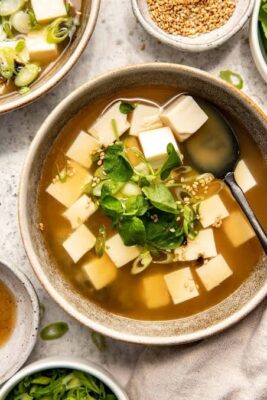
Warm, comforting, and packed with flavor—miso soup is one of the most beloved dishes in Japanese cuisine. Served as a starter in traditional meals or enjoyed on its own as a nourishing snack, miso soup is both simple and sophisticated. If you’ve ever wondered how to make this classic dish at home, you’re in the right place. Today, you’ll discover the secret to miso soup recipe success and learn how to prepare it like a pro.
What Makes Miso Soup Special?
Miso soup is more than just broth—it’s a cultural staple in Japan, enjoyed daily by millions. The secret lies in its unique combination of:
Umami-rich dashi broth (the foundation of flavor).
Fermented miso paste, offering depth and nutrition.
Add-ins like tofu, seaweed, or scallions for texture and balance.
The Key Ingredients You’ll Need
1. Miso Paste
Made from fermented soybeans, rice, or barley.
Types include:
White (Shiro) miso: mild and slightly sweet.
Red (Aka) miso: stronger, saltier, deeper flavor.
Mixed (Awase) miso: a blend of both.
2. Dashi (Broth)
Traditionally made with kombu (seaweed) and katsuobushi (bonito flakes).
Vegetarian version: kombu and shiitake mushrooms.
3. Tofu
Silken or firm, cubed into bite-sized pieces.
4. Wakame Seaweed
Adds nutrition and a delicate ocean flavor.
5. Scallions
Sliced thinly for a fresh finish.
Step-by-Step: How to Make Authentic Miso Soup
Step 1: Prepare the Dashi
Simmer kombu in water, remove before boiling.
Add bonito flakes (or mushrooms for vegetarian dashi).
Strain and set aside.
Step 2: Add the Base Ingredients
Return dashi to a gentle simmer.
Stir in tofu cubes and wakame.
Step 3: Dissolve the Miso Paste
Remove a small amount of hot broth into a bowl.
Whisk in miso paste until smooth.
Return mixture to the pot, but do not boil (to preserve probiotics and flavor).
Step 4: Finish and Serve
Add sliced scallions.
Serve hot in small bowls.
Variations to Try
Vegetable miso soup: Add mushrooms, spinach, or carrots.
Seafood miso soup: Add shrimp, clams, or fish for a hearty twist.
Noodle miso soup: Add soba or udon noodles for a complete meal.
Spicy miso soup: Stir in a touch of chili paste for heat.
Practical Tips for Perfect Miso Soup
Never boil the soup after adding miso—it kills flavor and beneficial enzymes.
Adjust the amount of miso paste to your taste (start with 1 tablespoon per cup of broth).
Use fresh ingredients; wakame expands quickly, so a little goes a long way.
Make extra dashi and store it in the fridge for quick future soups.
Common Mistakes to Avoid
Adding miso paste directly to boiling soup → clumps and dull flavor.
Overloading with ingredients → miso soup is meant to be light.
Using only one type of miso → mixing red and white adds depth.
Conclusion
Making miso soup at home is easier than you might think, and once you know the secret, it quickly becomes a comforting go-to recipe. With just a few simple ingredients, you can create a dish that’s nourishing, flavorful, and authentic.
✨ Final Takeaway: To truly discover the secret to miso soup recipe, remember—it’s all about balance: rich dashi broth, the right miso paste, and simple, fresh add-ins. Once you master this, every bowl will taste like comfort in its purest form.