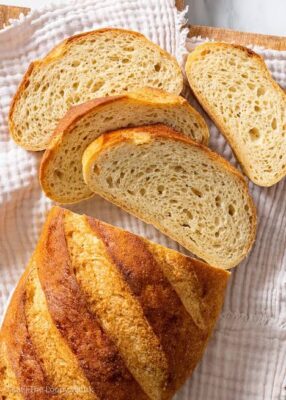
For many people across the United States, United Kingdom, and Canada, bread is a staple that brings comfort and versatility to meals. But for those who are gluten-intolerant or living with celiac disease, traditional bread isn’t an option. That’s where gluten free bread comes in—a delicious, nourishing alternative that can be just as satisfying as the classic loaf when made right.
In this guide, we’ll uncover the best tips for gluten free bread recipe so you can enjoy a soft, flavorful, and reliable loaf every time. Whether you’re new to gluten free baking or looking to perfect your method, these tips and tricks will help you bake bread that everyone at the table will love.
🌾 Understanding Gluten Free Bread
Gluten is the protein in wheat that gives bread its structure, elasticity, and chewiness. Without it, gluten free bread requires special flours, binders, and techniques to mimic the texture of traditional loaves. By combining the right ingredients and methods, you can create a loaf that’s airy, moist, and perfect for sandwiches, toast, or snacking.
🥖 Essential Ingredients for Gluten Free Bread
Here are the building blocks for any great gluten free bread recipe:
Gluten Free Flours: Rice flour, sorghum flour, almond flour, oat flour, or millet flour.
Starches: Tapioca starch, potato starch, or cornstarch to add lightness.
Binders: Xanthan gum or psyllium husk to replace gluten’s elasticity.
Leavening Agents: Yeast or baking powder to give rise and fluffiness.
Liquids: Warm water, milk, or plant-based alternatives to hydrate the dough.
Fat: Olive oil, butter, or coconut oil for softness.
Sweetener: Honey, sugar, or maple syrup to feed the yeast and add flavor.
🍞 Step-by-Step: Gluten Free Bread Recipe Basics
Step 1: Mix Your Flours
Blend 2–3 gluten free flours for the best texture. A mix of rice flour, sorghum flour, and tapioca starch is a great starting point.
Step 2: Add the Binders
Stir in xanthan gum or psyllium husk. These are crucial for structure and chewiness.
Step 3: Activate the Yeast
Combine warm water, sugar, and yeast in a bowl. Let it sit for 5–10 minutes until foamy.
Step 4: Combine Wet and Dry Ingredients
Mix the flour blend, yeast mixture, eggs (if using), oil, and salt. Gluten free dough is usually more like a thick batter than a kneadable dough.
Step 5: Proof the Dough
Transfer the batter into a greased loaf pan, cover, and let it rise in a warm spot for 30–45 minutes.
Step 6: Bake the Bread
Bake at 350°F (175°C) for 35–45 minutes until golden brown. Tap the loaf—if it sounds hollow, it’s done.
🌟 Top Tips for Gluten Free Bread Success
Use a Blend of Flours – One flour alone often results in dense bread. Mixing flours balances flavor and texture.
Measure by Weight, Not Cups – Gluten free flours can vary in density; weighing gives more consistent results.
Don’t Skip the Binders – Xanthan gum or psyllium husk is non-negotiable for structure.
Hydrate Well – Gluten free doughs need more liquid, so don’t be alarmed if it looks sticky.
Proof Properly – Let the dough rise fully for the best crumb. Rushing this step leads to flat bread.
Use Steam in the Oven – Place a pan of water in the oven while baking to keep the loaf moist.
Cool Before Slicing – Cutting too early can make the bread gummy. Wait at least 30 minutes.
🍯 Delicious Variations to Try
Once you’ve mastered the basics, try these twists:
Herb & Garlic Bread – Add fresh rosemary, thyme, or garlic for a savory loaf.
Seeded Bread – Mix in sunflower seeds, chia, or flax for crunch and nutrition.
Sweet Bread – Add cinnamon and raisins for a breakfast-style loaf.
Dairy-Free Option – Use almond milk and coconut oil instead of dairy.
✅ Storage Tips
Store at room temperature for 2–3 days in an airtight container.
Freeze slices with parchment paper between them for easy toasting later.
Warm in the oven or toaster before serving for the best texture.
Conclusion
Gluten free bread doesn’t have to be dense, dry, or disappointing. By following these techniques, you can uncover the best tips for gluten free bread recipe and bake loaves that are fluffy, flavorful, and satisfying. Whether you’re spreading butter on warm slices, making sandwiches, or serving it alongside soup, homemade gluten free bread will quickly become a kitchen favorite.
So gather your ingredients, trust the process, and enjoy the comfort of fresh bread—without the gluten. 🍞🌟