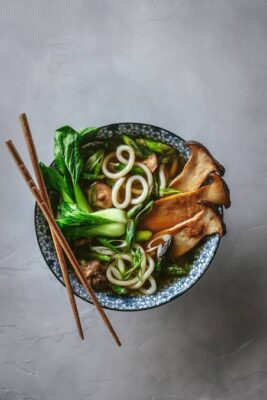
If you’re a fan of Japanese cuisine, you’ve probably enjoyed the chewy, silky texture of udon noodles in a comforting bowl of soup or stir-fry. These thick wheat noodles are not only delicious but also incredibly versatile, fitting perfectly into hot broths, stir-fried dishes, or cold salads. The best part? You won’t believe how easy this udon noodle recipe is!
In this guide, we’ll show you a foolproof way to prepare udon noodles at home—whether you’re making them from scratch or using store-bought fresh or frozen noodles. We’ll also cover serving ideas, practical tips, and fun variations so you can enjoy udon your way.
H2: What Makes Udon Noodles Special?
Texture: Udon noodles are thick and chewy, offering a satisfying bite.
Versatility: Perfect in hot soups during winter or in chilled dishes during summer.
Comfort Factor: Udon is a classic Japanese comfort food, much like chicken soup in the West.
H2: Easy Udon Noodle Recipe
Ingredients (Serves 2–3):
2 packs fresh or frozen udon noodles (or 7 oz / 200g dried udon)
4 cups dashi stock (or substitute chicken/vegetable broth)
2 tbsp soy sauce
1 tbsp mirin (or a touch of sugar + rice vinegar)
1 tsp sesame oil
2 green onions, sliced
1 boiled egg (optional)
Toppings: mushrooms, spinach, tofu, shrimp, or chicken
Step-by-Step Directions:
Prepare the Broth: In a pot, heat dashi stock. Add soy sauce, mirin, and sesame oil. Simmer gently for 5 minutes.
Cook the Noodles:
Fresh/Frozen: Boil for 2–3 minutes until tender.
Dried: Boil 8–10 minutes, then rinse under cold water.
Assemble the Bowl: Divide noodles into bowls, pour hot broth over them, and top with vegetables, protein, and egg.
Garnish & Serve: Add green onions and enjoy warm!
H2: Tips for Perfect Udon Every Time
Don’t Overcook: Udon should be chewy, not mushy.
Rinse Dried Udon: Rinsing removes excess starch and keeps them springy.
Boost the Broth: Add miso paste, garlic, or chili oil for extra flavor.
Make It a Meal: Add protein like shrimp, chicken, or tofu for a filling dish.
H2: Fun Variations
H3: Stir-Fried Udon (Yaki Udon)
Instead of broth, stir-fry cooked noodles with soy sauce, oyster sauce, vegetables, and protein.
H3: Curry Udon
Serve noodles in a Japanese-style curry sauce for a hearty meal.
H3: Cold Udon
Perfect for summer—serve chilled noodles with dipping sauce (mentsuyu) and grated ginger.
H2: Serving Suggestions
United States & Canada: Add grilled chicken or shrimp for a fusion twist.
United Kingdom: Try with mushrooms and greens for a vegetarian-friendly option.
Japan: Keep it traditional with a simple broth, egg, and scallions.
H2: Storage & Make-Ahead Tips
Cooked Udon: Best eaten fresh, but can be stored in the fridge for up to 2 days.
Frozen Udon: Keeps its chewy texture best—no need to thaw before cooking.
Broth: Can be made ahead and refrigerated for 3–4 days or frozen for a month.
H2: Common Mistakes to Avoid
Overcooking noodles – they lose their signature chew.
Using too much soy sauce – it can overpower the delicate broth.
Skipping broth base – plain water won’t provide the umami flavor udon needs.
Conclusion
Udon noodles are proof that comfort food doesn’t have to be complicated. With just a few ingredients and simple steps, you can create a steaming bowl of chewy noodles in rich broth that tastes like it came straight from a Japanese kitchen. Truly, you won’t believe how easy this udon noodle recipe is!
So, whether you’re craving a quick weeknight dinner, a cozy winter meal, or a refreshing summer dish, udon noodles have yo
u covered. Once you try this recipe, you’ll find yourself coming back to it again and again. 🍜✨