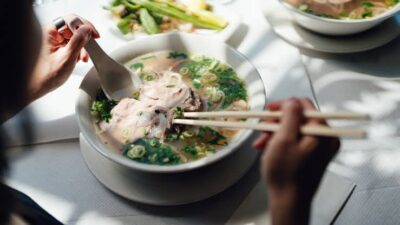
Few dishes capture comfort, culture, and complexity in a single bowl like pho (pronounced “fuh”). This iconic Vietnamese noodle soup has earned worldwide fame for its fragrant broth, tender rice noodles, and fresh garnishes. Whether enjoyed at a bustling street-side stall in Hanoi or a cozy kitchen in New York, pho is more than just a meal—it’s an experience.
But here’s the question: what makes pho truly unforgettable? The secret lies in the balance of flavors, slow-cooked techniques, and carefully chosen toppings. In this guide, you’ll discover the secret to pho recipe success, so you can bring authentic Vietnamese flavors straight to your table.
H2: The Origins of Pho
H3: A Cultural Staple
Pho originated in Northern Vietnam in the early 20th century. It quickly became a breakfast favorite before evolving into an all-day dish enjoyed across Vietnam.
H3: Global Popularity
With Vietnamese communities spreading worldwide, pho became a household name in cities like London, Toronto, and Los Angeles. Today, it’s one of the most beloved Asian dishes globally.
H3: More Than Soup
Pho isn’t just food—it’s tradition, family, and a symbol of Vietnam’s culinary heritage.
H2: Key Ingredients in Pho
The magic of pho comes from its carefully layered components:
Broth – Traditionally made with beef bones (pho bo) or chicken bones (pho ga), simmered for hours.
Rice Noodles (Banh Pho) – Flat, chewy noodles that absorb broth beautifully.
Protein – Slices of beef, shredded chicken, tofu, or even seafood.
Aromatics & Spices – Star anise, cinnamon, cloves, cardamom, ginger, and onion.
Toppings & Garnishes – Bean sprouts, Thai basil, cilantro, lime, jalapeños, and hoisin or sriracha for extra flavor.
H2: Discover the Secret to Pho Recipe – Step by Step
Here’s how to make a simplified yet authentic pho at home:
Step 1: Roast the Aromatics
Char onions and ginger under the broiler until slightly blackened. This deepens the broth’s flavor.
Step 2: Prepare the Broth
In a large stockpot, add beef bones or chicken bones. Cover with water, bring to a boil, then discard the first boil to remove impurities. Refill with fresh water.
Step 3: Add Spices and Aromatics
Add roasted onion, ginger, and a spice sachet (star anise, cloves, cinnamon, and cardamom). Simmer gently for 4–6 hours for beef or 2–3 hours for chicken.
Step 4: Season the Broth
Add fish sauce, salt, and a pinch of sugar to balance the flavors. Taste as you go—broth is the soul of pho.
Step 5: Prepare the Noodles and Protein
Cook rice noodles according to package directions. For beef pho, thinly slice raw beef and let it cook directly in the hot broth. For chicken, shred poached meat into tender strips.
Step 6: Assemble and Serve
Divide noodles into bowls, add protein, and ladle in hot broth. Top with fresh herbs, lime, bean sprouts, and chili slices.
H2: Practical Tips for Perfect Pho
Choose the right bones: For beef pho, marrow and knuckle bones add depth. For chicken pho, use a whole bird for richer flavor.
Skim the broth often: Keeps the broth clear and clean.
Char aromatics properly: This adds smoky, sweet undertones.
Don’t rush the simmer: A slow simmer extracts maximum flavor.
Balance seasoning: Pho should be savory, slightly sweet, and fragrant—not salty.
H2: Variations of Pho
H3: Pho Bo (Beef Pho)
The most famous version, featuring slow-simmered beef broth and thin slices of steak.
H3: Pho Ga (Chicken Pho)
Lighter and quicker to prepare, made with chicken broth and shredded chicken.
H3: Vegetarian Pho
Use vegetable stock, mushrooms, and tofu for a plant-based twist.
H3: Seafood Pho
A coastal adaptation using shrimp, fish, and squid in a fragrant broth.
H2: Common Mistakes to Avoid
Boiling instead of simmering: Leads to cloudy broth.
Using too many spices: Pho should be aromatic, not overpowering.
Skipping fresh herbs: Garnishes are essential for balance and freshness.
Overcooking noodles: They should be tender, not mushy.
H2: How to Serve Pho Like a Pro
Always serve herbs, lime, and chili on the side so guests can customize.
Pair with spring rolls or banh mi for a complete Vietnamese-inspired meal.
Offer condiments like hoisin sauce and sriracha, but let the broth shine first.
H2: Why Homemade Pho is Worth It
Healthier: Control sodium and quality of ingredients.
Authentic: Adjust to taste, just like in Vietnam.
Comforting: Nothing compares to a steaming bowl of pho made with love.
Conclusion
Pho is more than a noodle soup—it’s a rich, soulful experience in a bowl. From its deeply flavored broth to the crisp freshness of its garnishes, pho represents balance and tradition.
Now that you’ve learned how to discover the secret to pho recipe, you can bring the magic of Vietnam into your kitchen. Whether you opt for the hearty beef version, light chicken, or a creative vegetarian twist, homemade pho is always worth the effort.
So grab your pot, toast those spices, and let the aroma of pho fill your home. One sip, and you’ll understand why this dish has captured hearts worldwide.