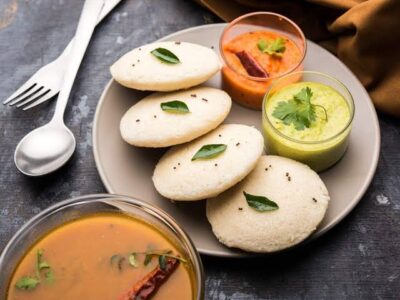
Idli, the soft, fluffy steamed rice cakes from South India, is a breakfast favorite for millions around the world. Known for its light texture, subtle taste, and wholesome nutrition, idli has become a staple not only in Indian households but also in kitchens across the United States, United Kingdom, and Canada.
If you’ve ever thought that making idli at home is complicated or time-consuming, think again. You won’t believe how easy this idli recipe is! With just a few ingredients and simple steps, you can recreate the same restaurant-quality idlis right in your kitchen. This guide will walk you through everything from ingredients and preparation to steaming techniques and practical tips to ensure fluffy, melt-in-your-mouth results every time.
What Are Idlis?
Idlis are small, round, steamed cakes made primarily from rice and urad dal (split black gram). They are naturally gluten-free, low in fat, and highly digestible, making them an ideal breakfast or snack. Traditionally, idlis are served with coconut chutney, sambar, or tomato chutney, providing a balanced and satisfying meal.
The charm of idli lies in its simplicity and versatility. Whether you’re new to Indian cuisine or a seasoned home cook, you’ll soon understand why you won’t believe how easy this idli recipe is!
Essential Ingredients for Idli
To make authentic idlis, you need just a few basic ingredients:
Rice: Regular white rice, parboiled rice, or idli rice.
Urad dal (split black gram): Provides softness and fermentation.
Fenugreek seeds: Optional, adds flavor and aids fermentation.
Salt: To taste.
Water: For soaking and grinding.
Optional additions for flavor and variation include:
Chopped vegetables (carrot, peas) for vegetable idlis.
Cooked quinoa or oats for a healthier twist.
Mild spices or herbs like cumin or coriander for extra aroma.
With these simple ingredients, you can create idlis that are soft, fluffy, and full of flavor, proving you won’t believe how easy this idli recipe is!
Step-by-Step Guide: Making Idlis
Step 1: Soak the Ingredients
Rinse the rice and urad dal separately.
Soak rice in water for 4–6 hours or overnight.
Soak urad dal with fenugreek seeds for 4–6 hours.
Soaking softens the grains, which helps in achieving a smooth batter.
Step 2: Grind to a Smooth Batter
Drain the soaked rice and dal.
Grind urad dal into a smooth, fluffy paste using a wet grinder or blender.
Grind rice into a slightly coarse batter.
Combine both batters in a large bowl and mix well.
Step 3: Ferment the Batter
Cover the bowl with a clean cloth or lid.
Leave the batter in a warm place for 8–12 hours or overnight.
Fermentation will make the batter rise and become airy.
Fermentation is key to soft idlis, and it’s surprisingly simple once you understand the process.
Step 4: Add Salt and Prepare the Steamer
Add salt to the fermented batter and mix gently.
Grease idli molds lightly with oil.
Fill molds with batter, leaving some space for expansion.
Set up a steamer or pressure cooker with water at the bottom.
Step 5: Steam the Idlis
Place the filled molds in the steamer.
Steam for 10–15 minutes on medium heat.
Check doneness by inserting a toothpick; it should come out clean.
Allow idlis to cool slightly before removing from molds.
Following these steps ensures that you won’t believe how easy this idli recipe is! and results in soft, fluffy idlis every time.
Creative Idli Variations
Idli is incredibly versatile, and you can get creative with ingredients:
1. Vegetable Idli
Add grated carrot, chopped peas, or spinach to the batter for added nutrition and color.
2. Rava (Semolina) Idli
Use semolina instead of rice for a quicker version that doesn’t require long fermentation.
3. Mini Idlis
Use smaller molds to make bite-sized idlis, perfect for kids or as a snack.
4. Masala Idli
Add mild spices such as cumin, black pepper, or green chilies to the batter for a flavorful twist.
5. Oats or Quinoa Idli
Incorporate cooked oats or quinoa for a healthier, protein-rich version suitable for health-conscious households.
These variations keep breakfast exciting and show why you won’t believe how easy this idli recipe is!
Practical Tips for Fluffy Idlis
1. Use the Right Ratio of Rice and Dal
Traditionally, a 3:1 ratio of rice to urad dal yields the best results. Adjust slightly for personal preference.
2. Ensure Proper Fermentation
Fermentation is affected by temperature. In colder climates like the U.K. or Canada, place the batter near a warm stove or inside an oven with the light on.
The batter should rise and become bubbly.
3. Don’t Overfill Molds
Leave space for the batter to expand while steaming. Overfilling can result in dense idlis.
4. Use Fresh Ingredients
Fresh rice and dal contribute to better flavor and texture.
5. Steam Correctly
Do not oversteam; idlis may turn soggy. 10–15 minutes is usually sufficient.
6. Serve Immediately
Idlis are best enjoyed hot, straight from the steamer, paired with coconut chutney, sambar, or spicy tomato chutney.
These practical tips make it easy for home cooks in the U.S., U.K., and Canada to create idlis that impress, proving you won’t believe how easy this idli recipe is!
Serving Suggestions
Traditional Breakfast: Serve with coconut chutney and sambar.
Snack Option: Toss mini idlis in ghee with spices for a quick snack.
Lunchbox Friendly: Pack cooled idlis with chutney for a kid-friendly meal.
Party Appetizer: Mini idlis with colorful dips make a fun and elegant starter.
The simplicity and versatility of idli make it suitable for any meal, occasion, or culinary style.
Health Benefits of Idli
Low-Calorie: Steamed idlis are light and easy to digest.
High in Protein: Urad dal provides plant-based protein.
Gluten-Free: Safe for gluten-sensitive diets.
Fermented Goodness: Fermentation improves gut health and nutrient absorption.
This combination of taste, texture, and nutrition is another reason why you won’t believe how easy this idli recipe is!
Conclusion
Idli is more than just a traditional South Indian dish—it’s a versatile, nutritious, and incredibly easy-to-make breakfast or snack. With a few simple ingredients and step-by-step guidance, even beginner cooks in the United States, United Kingdom, or Canada can achieve soft, fluffy, restaurant-quality idlis.
By following the soaking, grinding, and steaming techniques outlined above, you’ll discover why you won’t believe how easy this idli recipe is! Moreover, with creative variations like vegetable, rava, or mini idlis, breakfast never has to be boring again.
So, gather your rice, urad dal, and a steamer, and embark on a journey to master one of India’s most beloved dishes. Once you taste the results, you’ll wonder why you ever thought making idli was complicated!