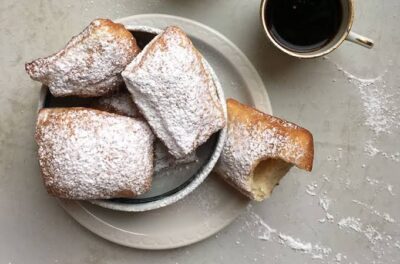
Crispy on the outside, soft and pillowy on the inside, and covered in a snowy dusting of powdered sugar—beignets are one of the most iconic pastries in the world. Whether you’ve strolled through the French Quarter of New Orleans or seen them pop up in cafés across North America and Europe, it’s no surprise why everyone is talking about beignet recipe!
These delightful French-style doughnuts are more than just a sweet treat. They carry cultural history, culinary creativity, and universal appeal. In this article, we’ll uncover what makes beignets special, how to prepare them, variations worth exploring, and tips to achieve perfection at home.
What Are Beignets?
The word “beignet” (pronounced ben-YAY) originates from the French word for “fritter.” Traditionally, they are deep-fried squares or rectangles of yeast dough, generously dusted with powdered sugar. Unlike typical doughnuts, beignets are airy, slightly chewy, and not overly sweet until you coat them in sugar.
A Treat With French and American Roots
Beignets have been a part of French cuisine for centuries, but their global fame skyrocketed after being introduced in New Orleans by French settlers. Today, Café du Monde in New Orleans is practically synonymous with beignets, attracting tourists and locals alike who line up for the warm, powdered delights paired with chicory coffee.
This mix of history, flavor, and culture explains why everyone is talking about beignet recipe!
Essential Ingredients for Beignets
Core Ingredients
All-purpose flour – the foundation of the dough.
Yeast – for the light, airy texture.
Sugar – a touch of sweetness inside.
Milk or water – to moisten the dough.
Butter or shortening – adds richness.
Eggs – provide structure and flavor.
Powdered sugar – the classic finishing touch.
Flavor Enhancements
Vanilla extract or almond extract for depth.
A sprinkle of cinnamon or nutmeg for warmth.
Lemon zest for a fresh twist.
With just a handful of pantry staples, you’re only steps away from making these irresistible treats.
Step-by-Step: How to Make Beignets
Step 1: Prepare the Dough
Combine warm water, sugar, and yeast in a bowl. Let it sit until frothy.
Mix in eggs, milk, melted butter, and flour gradually.
Knead until smooth and elastic.
Step 2: Let the Dough Rise
Cover the bowl with a damp towel and let it rise in a warm spot for 1–2 hours until doubled in size. This step is essential for that fluffy interior.
Step 3: Roll and Cut
Roll out the dough to about ¼ inch thick. Cut into squares or rectangles, traditionally about 2–3 inches wide.
Step 4: Fry Until Golden
Heat oil (about 350°F/175°C). Fry beignets in batches until puffed and golden brown on both sides, usually 1–2 minutes per side.
Step 5: Dust Generously
Remove beignets, drain briefly on paper towels, then coat immediately with powdered sugar.
One bite into a warm, sugar-coated beignet is enough to show you exactly why everyone is talking about beignet recipe!
Variations of Beignet Recipes
Classic New Orleans Beignets
Light, airy squares served piping hot with heaps of powdered sugar—the ultimate traditional version.
Filled Beignets
Some chefs fill beignets with custard, chocolate, or fruit jam for extra indulgence.
Savory Beignets
Swap the sugar for herbs, cheese, or seafood (like crawfish beignets in Louisiana). Perfect as appetizers.
Gluten-Free Beignets
By using gluten-free flour blends, you can still enjoy this treat without compromise.
Mini Beignets
Smaller bite-sized versions are great for parties or snacking.
This adaptability is another reason why everyone is talking about beignet recipe!
Beignets Around the World
While New Orleans popularized the modern beignet, similar treats exist globally:
French-style Beignets: Often fruit-filled or custard-filled.
Spanish Buñuelos: Fried dough balls, sometimes rolled in cinnamon sugar.
Italian Zeppole: Light doughnuts served during festivals.
Canadian BeaverTails: Flat fried dough with sweet toppings.
Each version highlights how fried dough transcends borders, but the New Orleans beignet remains a cultural icon.
Practical Tips for Perfect Beignets
1. Control Oil Temperature
Too hot and the outside burns before the inside cooks. Too cool and they absorb oil. Keep it steady at 350°F (175°C).
2. Don’t Overcrowd
Frying too many at once drops oil temperature and leads to soggy results.
3. Use Fresh Yeast
Expired yeast won’t give the rise you need for fluffy texture.
4. Dust While Warm
Powdered sugar sticks best when beignets are hot out of the fryer.
5. Serve Immediately
Beignets are best enjoyed fresh. Their magic fades after a few hours.
Following these small but powerful tips will elevate your cooking and show firsthand why everyone is talking about beignet recipe!
Serving Suggestions
Classic Style: A mountain of powdered sugar and a hot cup of café au lait.
With Dips: Chocolate sauce, caramel, or berry compote.
Festive Twist: Drizzle with icing or decorate with sprinkles for parties.
Brunch Pairing: Serve alongside eggs, bacon, and fresh fruit for a sweet-savory balance.
Whether casual or festive, beignets fit seamlessly into any setting.
Why Everyone Loves Beignets
So, what exactly explains the buzz around this treat?
Cultural Experience: Eating beignets in New Orleans is a must-do.
Universal Flavor: Sweet, fried dough appeals to all ages.
Versatility: Works as breakfast, dessert, or a snack.
DIY Friendly: With simple ingredients, anyone can try them at home.
That irresistible mix of tradition, taste, and accessibility is why you keep hearing: Why everyone is talking about beignet recipe!
Conclusion
Beignets are more than just pastries—they’re a culinary journey connecting French tradition with New Orleans charm and global flavors. Their fluffy texture, sugary coating, and warm aroma make them impossible to resist.
With this guide, you now have the tools to try them in your own kitchen, whether you stick to the classic recipe or experiment with creative variations.
So grab your flour, yeast, and frying pan, and join the countless food lovers already obsessed. After one bite, you’ll understand perfectly why everyone is talking about beignet recipe!