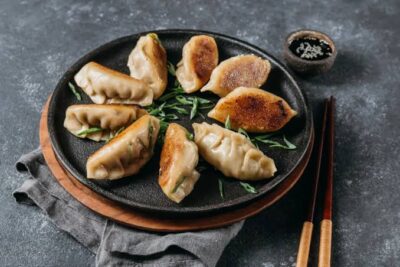
Few dishes bring people together like dumplings. From Chinese dim sum to Polish pierogi and from Japanese gyoza to Italian ravioli, dumplings transcend cultures and kitchens. Soft, savory, and endlessly versatile, they can be steamed, boiled, pan-fried, or baked.
If you’ve ever wondered how to make them at home, this is your chance to master the art of dumplings recipe today! With the right ingredients, techniques, and creative fillings, dumplings are easier than you think—and more delicious when made by hand.
Whether you’re cooking for family in the U.S., experimenting in a U.K. kitchen, or adding warmth to a Canadian dinner table, dumplings are the kind of food that everyone loves.
Why Dumplings Are So Popular
Before we dive into recipes and techniques, let’s explore why dumplings have earned a global fan base:
Universal Comfort Food: Every culture has its version of dumplings, making them familiar yet unique.
Affordable & Filling: Simple ingredients like flour, water, and vegetables turn into satisfying meals.
Customizable: You can fill dumplings with meat, seafood, vegetables, or even sweet fruits.
Perfect for Sharing: Dumpling-making is a fun group activity with family or friends.
No matter where you’re from, you can master the art of dumplings recipe today and enjoy this timeless dish.
🥟 The Basics of Making Dumplings
1. The Dough
At the heart of most dumplings is a simple dough.
Ingredients: All-purpose flour, water, and a pinch of salt.
Method: Mix flour and water until smooth, knead for 8–10 minutes, then let it rest. Resting makes the dough easier to roll out.
💡 Tip: For chewier wrappers, use hot water when mixing the dough. For softer wrappers, use cold water.
2. The Filling
This is where creativity shines. Popular filling options include:
Meat-Based: Pork with cabbage, chicken with ginger, or beef with onions.
Vegetarian: Mushrooms, spinach, tofu, carrots, or zucchini.
Seafood: Shrimp and garlic chives, or crab with cream cheese for a fusion twist.
Sweet: Apple and cinnamon, berries with cream, or sweetened bean paste.
💡 Pro Tip: Always season your filling well with soy sauce, sesame oil, salt, and pepper.
3. Wrapping Dumplings
Folding dumplings is both fun and artistic. Common folds include:
Simple Half-Moon: Fold in half and seal edges with a fork.
Pleated Edges: Pinch and fold for a restaurant-style look.
Open-Top (Shumai Style): Leave the top open to show off the filling.
Popular Dumpling Styles Around the World
Chinese Dumplings (Jiaozi)
Often filled with pork and napa cabbage.
Can be boiled, steamed, or pan-fried.
Dipped in soy sauce with vinegar and chili oil.
Japanese Gyoza
Thin-skinned dumplings with pork and garlic.
Pan-fried first, then steamed for crispy bottoms and tender tops.
Polish Pierogi
Filled with potato, cheese, or sauerkraut.
Boiled, then often fried in butter with onions.
Italian Ravioli
Pasta-like dumplings filled with cheese, meat, or vegetables.
Served with tomato sauce or butter and sage.
Indian Modak
Sweet dumplings filled with coconut and jaggery.
Steamed during festivals, especially Ganesh Chaturthi.
By experimenting with these styles, you’ll quickly master the art of dumplings recipe today in your own kitchen.
Cooking Methods: Which One is Right for You?
Boiling: Produces soft dumplings with a smooth texture. Perfect for soups.
Steaming: Keeps dumplings light and healthy while preserving flavor.
Pan-Frying: Creates crispy bottoms with tender tops—great for gyoza lovers.
Deep-Frying: Adds a golden crunch. Best for snack-style dumplings.
Baking: Unique method for European-style dumplings or casseroles.
💡 Tip: Try combining methods—pan-fry first, then steam—to get the best of both textures.
Serving Dumplings Like a Pro
Dumplings are incomplete without the right accompaniments. Here are some ideas:
Classic Dipping Sauce: Soy sauce, rice vinegar, sesame oil, chili flakes.
Spicy Twist: Add garlic, ginger, and Sriracha.
Creamy Option: Sour cream pairs perfectly with pierogi.
Soup Style: Drop boiled dumplings into chicken broth with vegetables.
Serve them hot and watch as they disappear fast!
Practical Tips for Perfect Dumplings
Don’t Overfill: Too much filling makes dumplings burst during cooking.
Seal Properly: Use a bit of water or egg wash to close edges.
Work in Batches: Roll a few wrappers at a time to keep dough fresh.
Test the Filling: Cook a small amount first to adjust seasoning.
Freeze for Later: Place dumplings on a tray, freeze, then store in bags—perfect for busy days.
Common Mistakes to Avoid
Sticky Dough: If your dough is too wet, add more flour gradually.
Breaking Dumplings: Happens if wrappers are rolled too thin.
Undercooked Centers: Steam or boil long enough to fully cook meat fillings.
Too Much Flour When Rolling: Makes sealing difficult.
Avoid these pitfalls and you’ll truly master the art of dumplings recipe today!
Conclusion
Dumplings are more than just food—they’re a tradition, a memory, and an experience. They bring families together, connect cultures, and offer endless creativity in the kitchen.
By learning the basics of dough, experimenting with fillings, and practicing different folding styles, you can master the art of dumplings recipe today! Whether you’re craving classic Chinese jiaozi, crispy Japanese gyoza, hearty Polish pierogi, or sweet Indian modaks, dumplings will always deliver comfort and joy.
So roll up your sleeves, gather some flour, and start folding. With every dumpling you make, you’re not just cooking—you’re carrying on a delicious tradition. 🥟✨